Showing Resilience in the Face of Whatever Comes Next
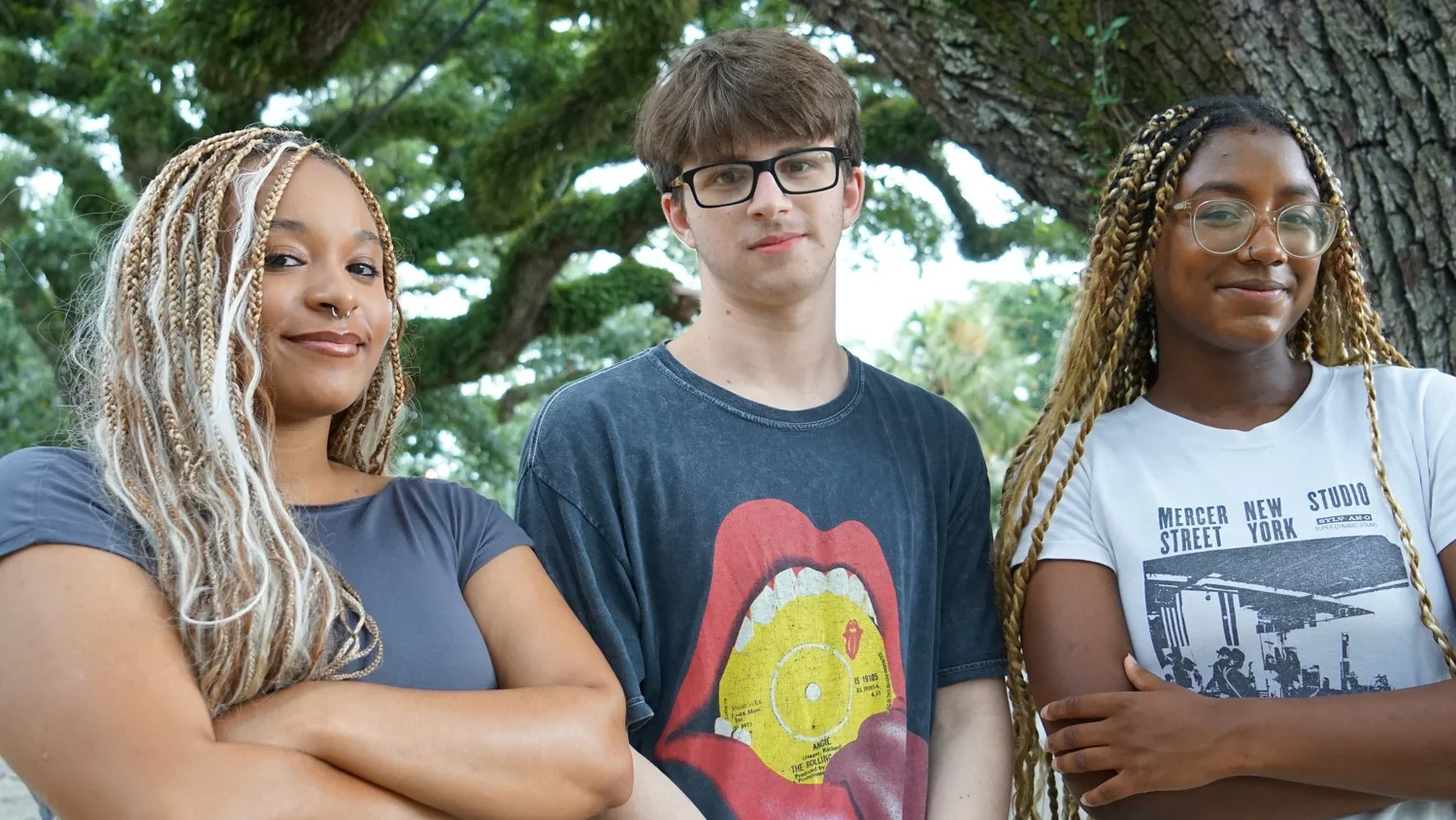
As we approach the end of the year, I’d like to reflect on all that has happened. This is both in our own research here at IWES and in the state of public health and research nationwide. Prior to my work at IWES, I worked in a role with heavy politics exposure. My transition to IWES was partly intended to step back into a more research-focused role that I had envisioned at the start of my career. Despite this, the events of the past year have made it abundantly clear to me, and to anyone involved in or supporting research, public health, or just evidence-based policy, that research, public health, and politics are very much intertwined, especially now.
Earlier this year, I wrote about how researchers are strongly encouraged to stay above politics and that our results speak for themselves. However, that has not been the case, especially in the past few years. Science politicization has damaged and blocked research teams across the country, including ours. Of course, the action with the biggest impact for us was the termination of the Teen Pregnancy Prevention Program grant that supported our Film Learning Experience Study (FLEx). But outside of just our work, this action has resulted in the halt not only of our study but also of the majority of federally funded Teen Pregnancy Prevention Programs across the United States. That is a problem.
Graphic used to promote the FLEx Study
All of that said, although the past year presented significant challenges, it was also a year of great achievements. At the start of the year, our primary goal was to boost FLEx recruitment. Let me start by saying that this was not a study that was easy to implement. It was intended for systems-involved youth, or youth at risk of system involvement, and this is, understandably, a difficult group of youth to reach as many have earned distrust of researchers and have been burned by the very systems that are supposed to help them. Additionally, the program was complex, requiring coordinators to conduct enrollment sessions on evenings and weekends, and also implement a two-and-a-half-hour sexual education lesson and address the usual issues that inevitably accompany implementing such a long program virtually.
Despite all these challenges, the program started to thrive and reached more youth than ever before. We continued to work for as long as we could, despite a hostile political environment, and succeeded more than I thought possible. Although the grant was terminated in a brutal and untimely manner, and the legal fight to restore the Teen Pregnancy Prevention Program that funded our study seems never-ending, I do not want the lessons learned and the achievements of this program to be overshadowed.
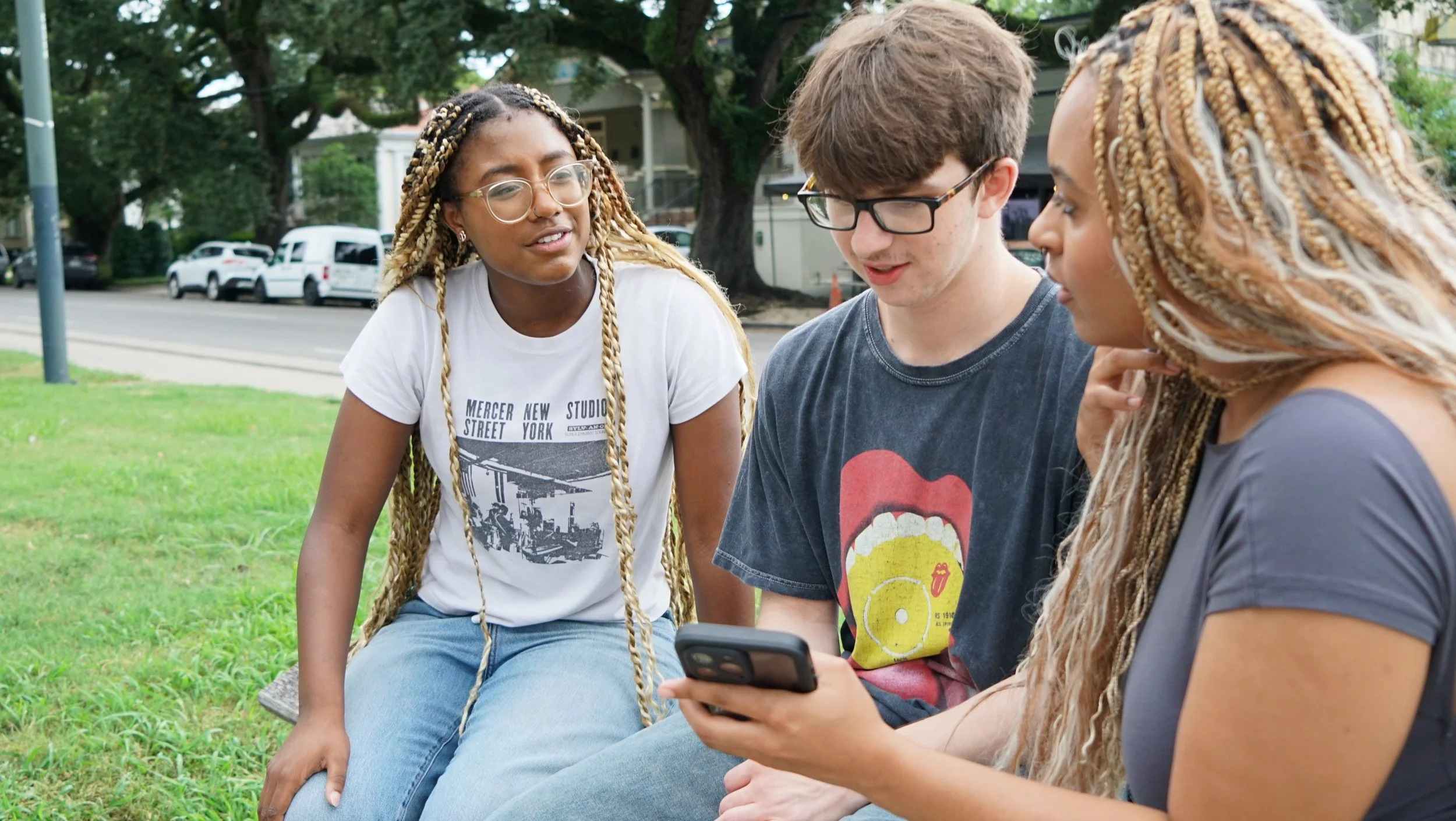
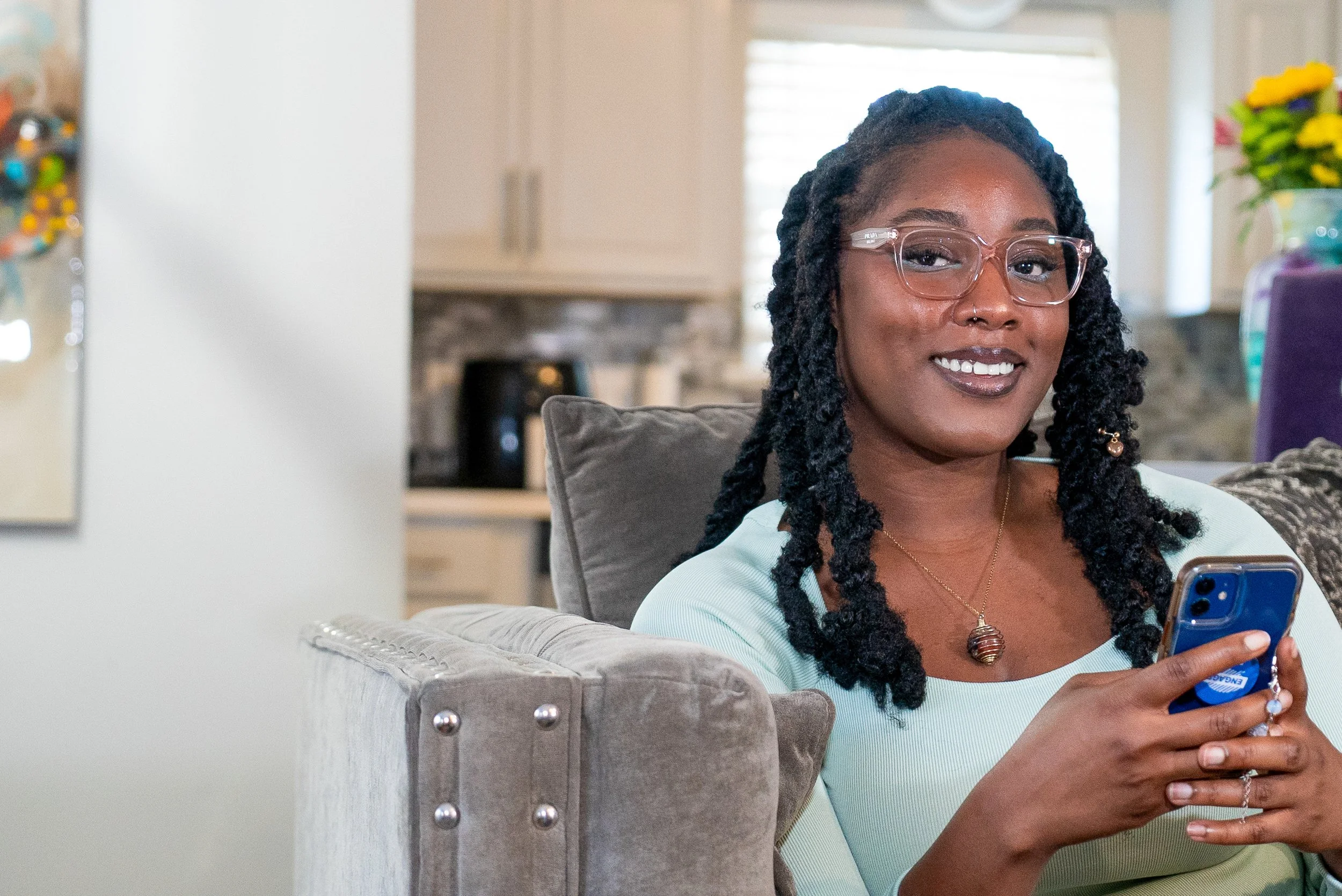
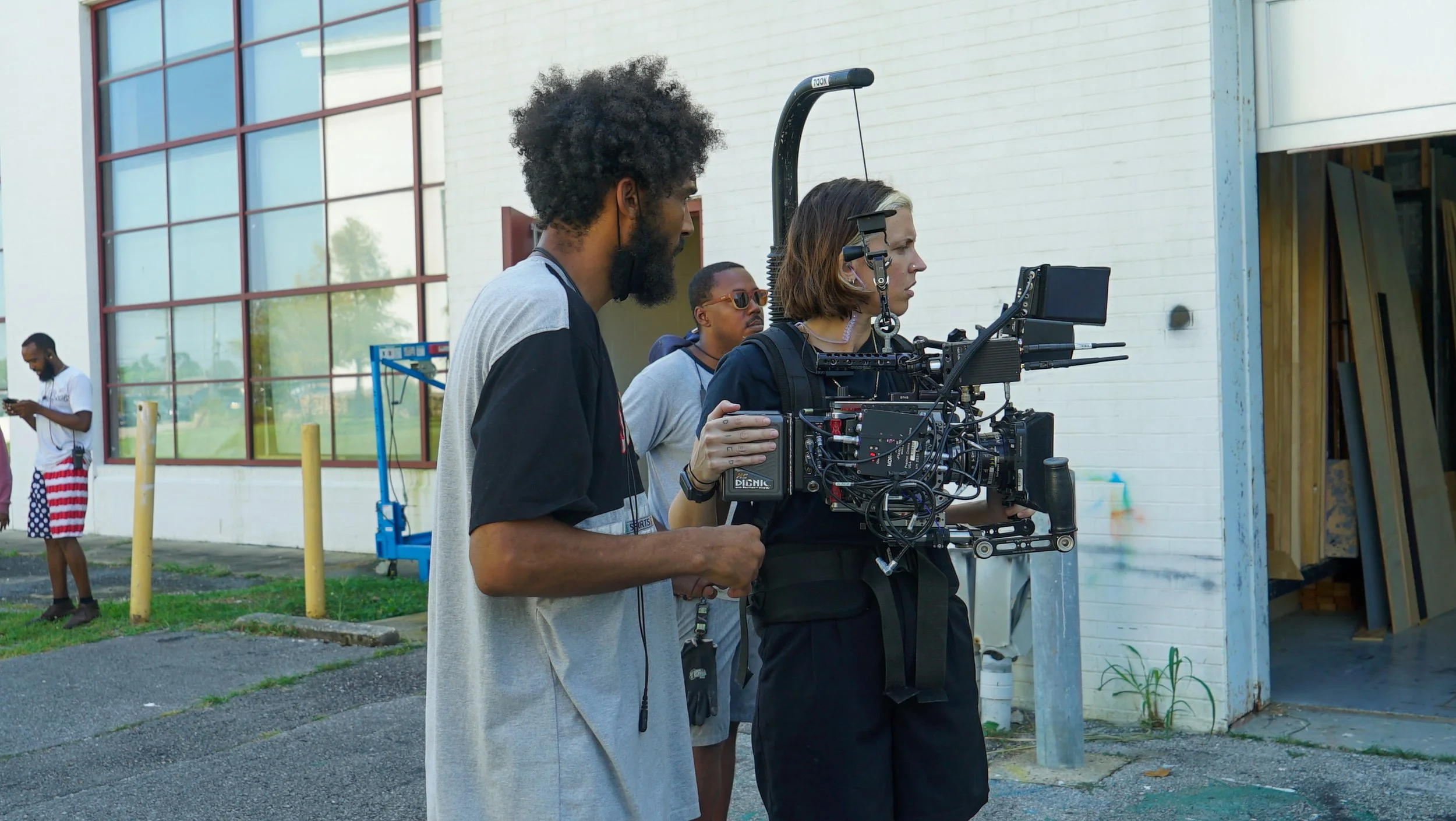
Although we could have certainly reached far more youth if we had been allowed to complete the study, I do not want to discount the almost 300 youth across the country, the vast majority of them from Louisiana, who participated in this program. This was valuable information for reaching youth who are often overlooked, including those who are incarcerated. I knew we were doing good work not by looking at our enrollment numbers, but by seeing the enthusiasm and thoughtfulness of our participants.
A new year will arrive soon, and with it will be new opportunities. Louisiana ranks poorly in maternal and child health. It also, unfortunately, faces significant environmental challenges from natural disasters and increasingly frequent extreme heat, and pollution generated by petrochemical companies. Although at first glance maternal health and climate justice may seem unrelated, the two concepts are deeply connected; a mother and a child will struggle to thrive in an increasingly inhospitable environment. Therefore, one of our research priorities in the coming year will be exploring how the changing climate, particularly extreme heat events, impacts mothers and their babies.
One of our core values here at IWES is to ensure our research is done in partnership with the community. In the coming year, we want to ensure that the work we do aligns with the community's needs. We can examine reports and data from the state but ultimately the only way to truly understand the needs of the community is to listen to the people who live there. Earlier this year I traveled to Alexandria, Louisiana, where I talked to residents and providers from various parts of the state. One thing that stood out to me was that many maternal health efforts, while they provide crucial services and data, tend to focus on the southern part of the state. If we are to truly improve the health of Louisiana, we must ensure that we work with all of Louisiana. One of our goals is to establish partnerships with communities and providers across Louisiana. We will work with them to support objectives that address specific community needs and cultures.
Politics always affects organizations' research and service capabilities. As we have seen throughout the last few years, the pendulum swings with every election, making it tricky for organizations to navigate a changing landscape. What does not change, however, are the needs of our communities. In national rankings, Louisiana consistently ranks at the bottom of measures of health, education, and the environment, regardless of who sits in the White House. If we want to improve this state that many of us call home, we need to turn to our neighbors. Sometimes that looks like helping a neighbor clear debris after a storm. When they are going through a difficult time, sometimes it means bringing them food. In our case, for an organization that centers its work on the community, it means engaging communities to find solutions for them.