Beyond the Convening: Carrying BETA's Lessons Into Our Next Chapter
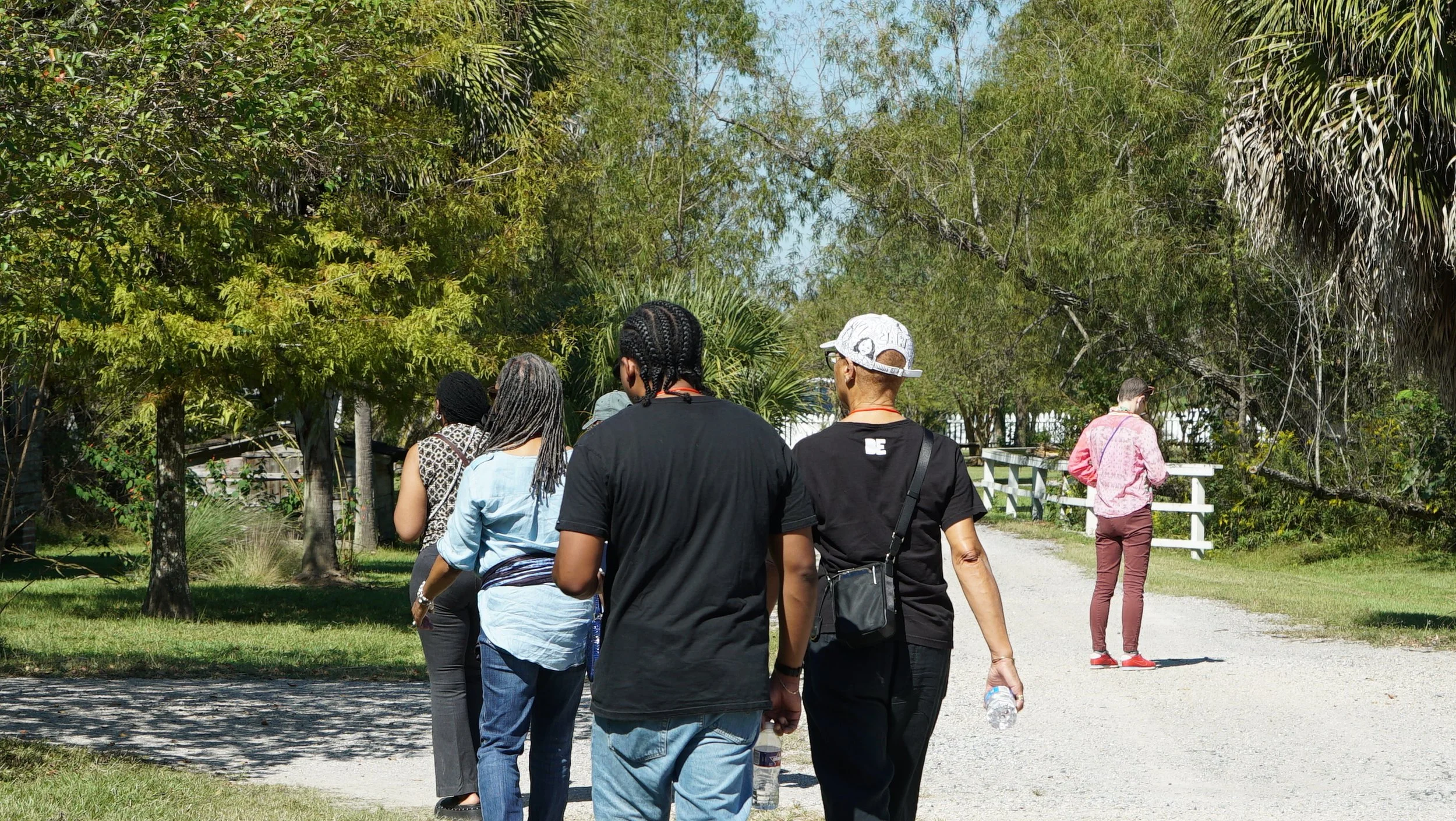
What does it actually look like to put healing into practice?
How do we bring people together to reflect on difficult histories, build relationships, and think differently about the future?
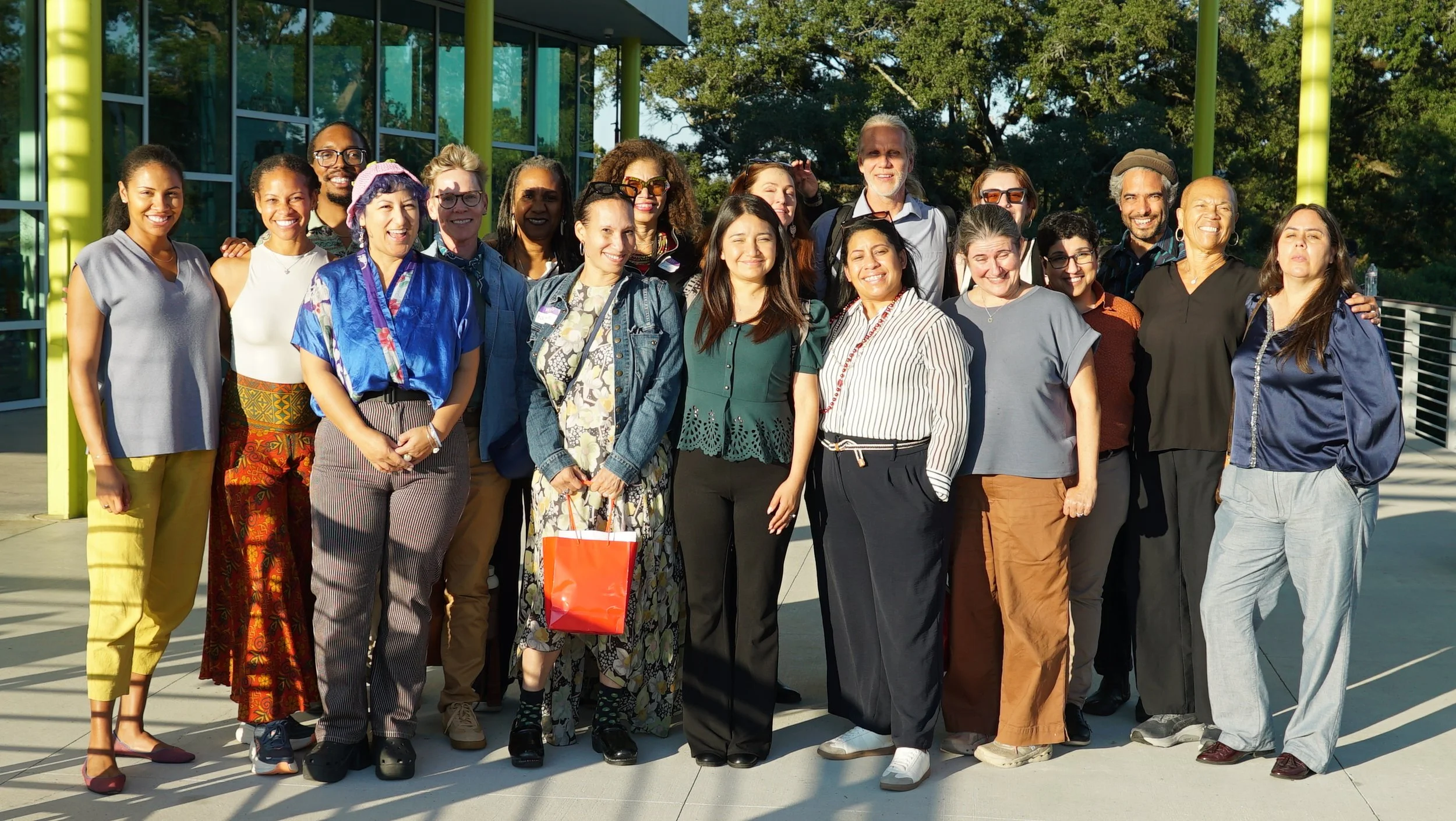
These are questions we've spent the past two years exploring through the BETA program, and finally this October, we had a chance to put some of what we've learned into practice when we welcomed our partners to New Orleans for our end-of-year convening. With the theme "Looking Back, Looking Around, Looking Forward," we reflected on the journey, reconnected with one another, and talked about where the work is heading from here.
Creating Space for Connection and Healing
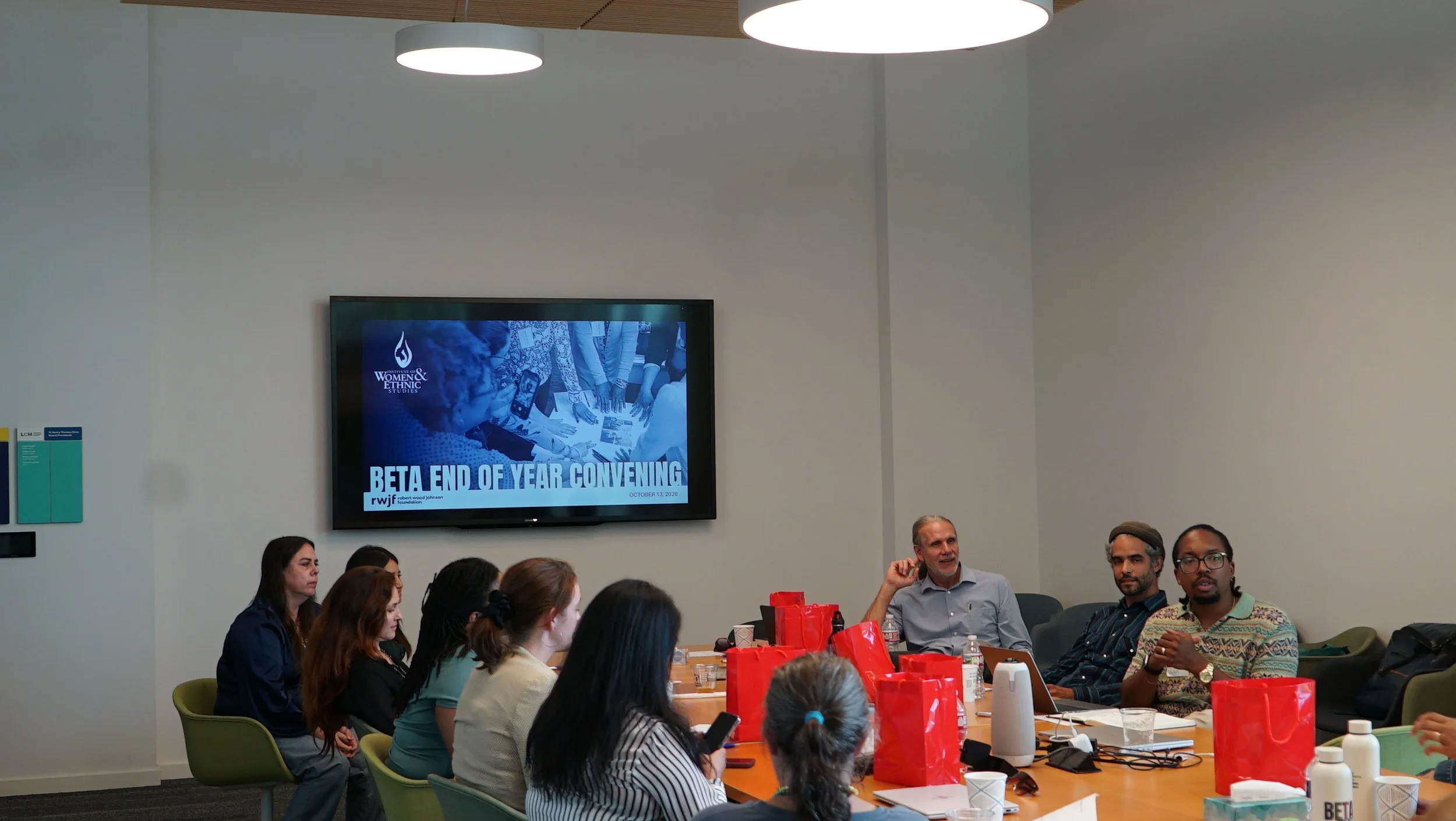
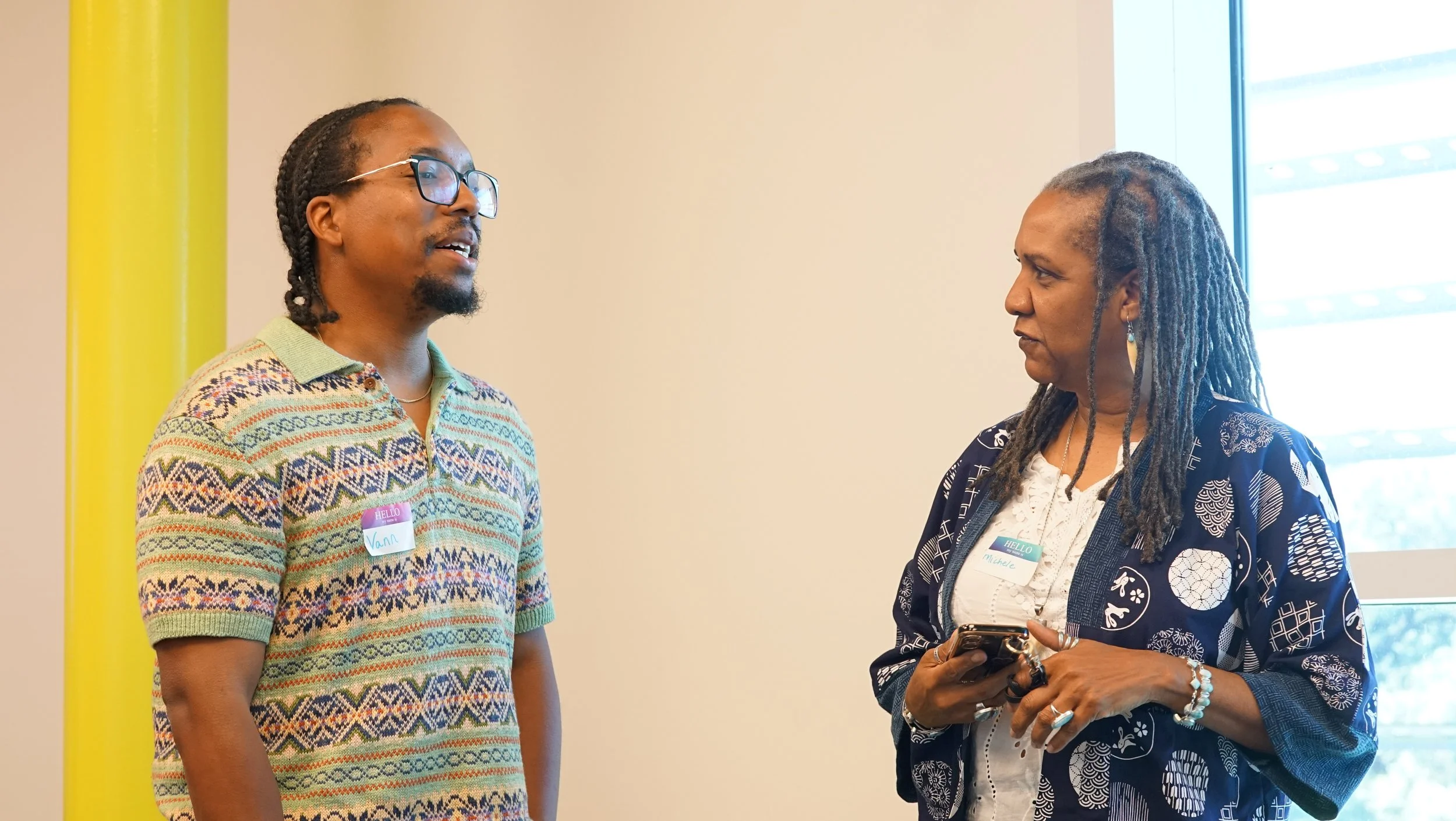
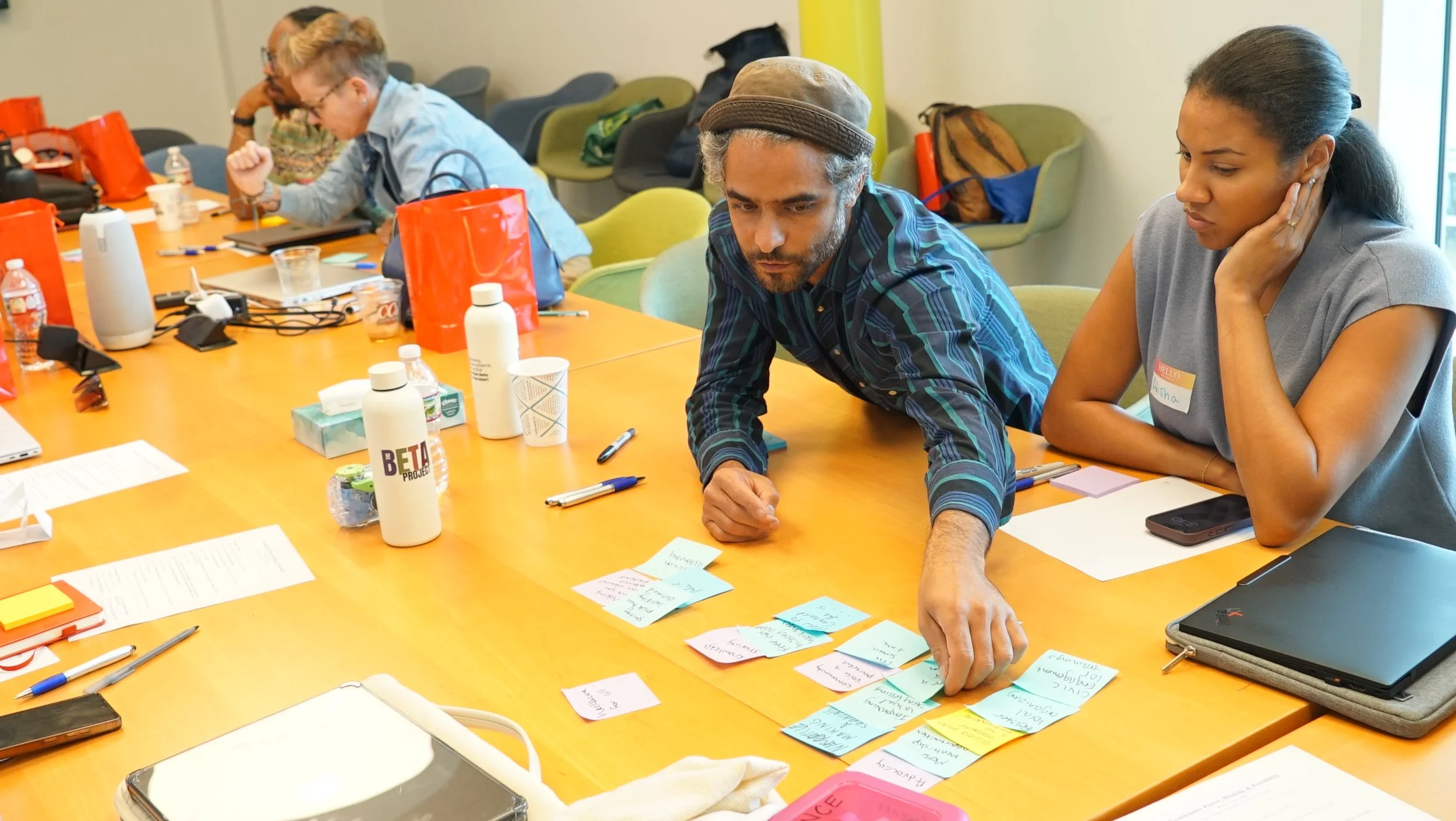
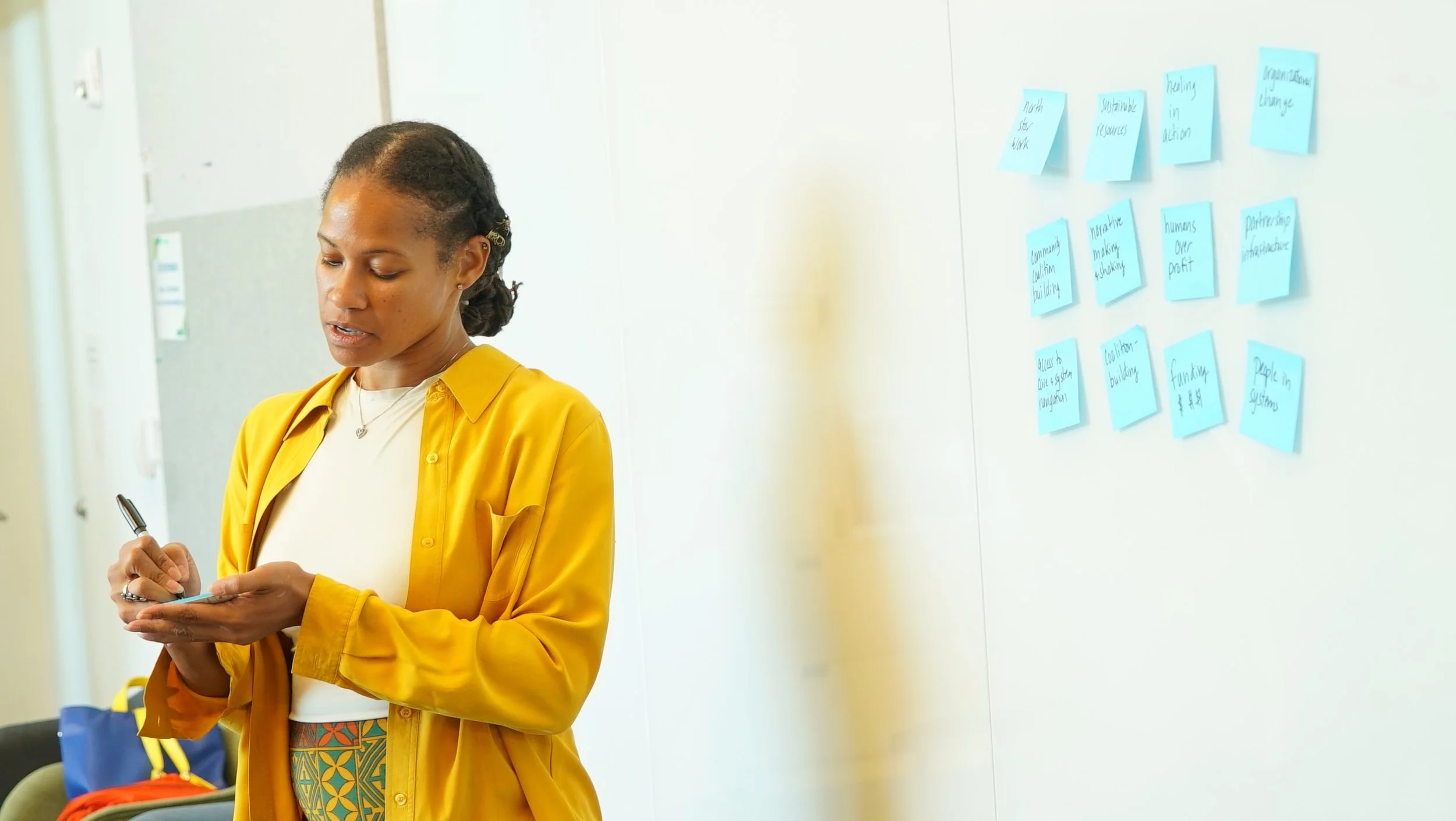
We wanted this convening to be more than presentations and project updates. It was important to us that participants experience New Orleans through its history, culture, food, and music. In addition, we wanted them to have time for honest conversations about their work. To set that tone, we started at Corentyne Cottage, where an evening of food, music, and storytelling offered a glimpse into the city's rich history. The next day, at the Louisiana Children's Museum, we began by sharing the lessons we observed throughout the duration of the project. Then our site partners from Centro Sávila and the Coalition for a Healthy Greater Worcester shared their experiences over the past few years working to advance health and community power, speaking to their successes, challenges, and lessons learned. Following the site presentations, we hosted a conversation with public health leaders Shelina Davis, CEO of the Louisiana Public Health Institute, and Natalie Moulton-Levy, Founder of the Health Justice Initiative, to learn about what a) it means to be a public health institute at this moment in time and the roles of government vs. health institutes; and b) what equitable access to healthcare looks like and how to help know their rights. After that lively fireside chat we engaged in Human Centered Design activities to reflect on what we heard and were processing from the day and also give everyone a chance to exchange ideas in small groups and think about how to carry their work forward. Finally, we closed out the day with an inspiring keynote speech from Vann Newkirk, Senior Editor at The Atlantic, who broke down the history of racialized health inequities in the United States but also provided hope to inspire us to lead the next cycle of change to advance health equity.
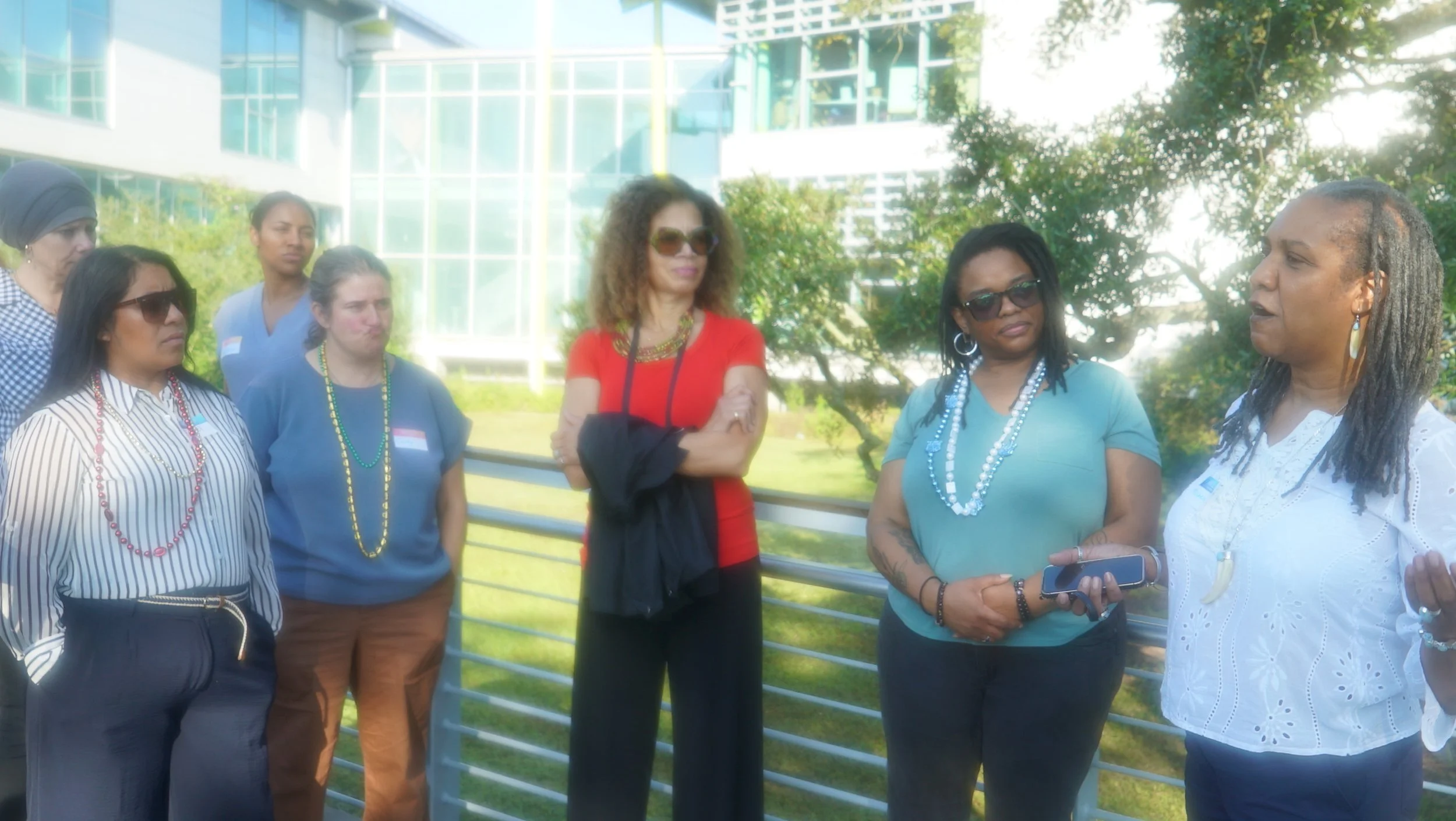
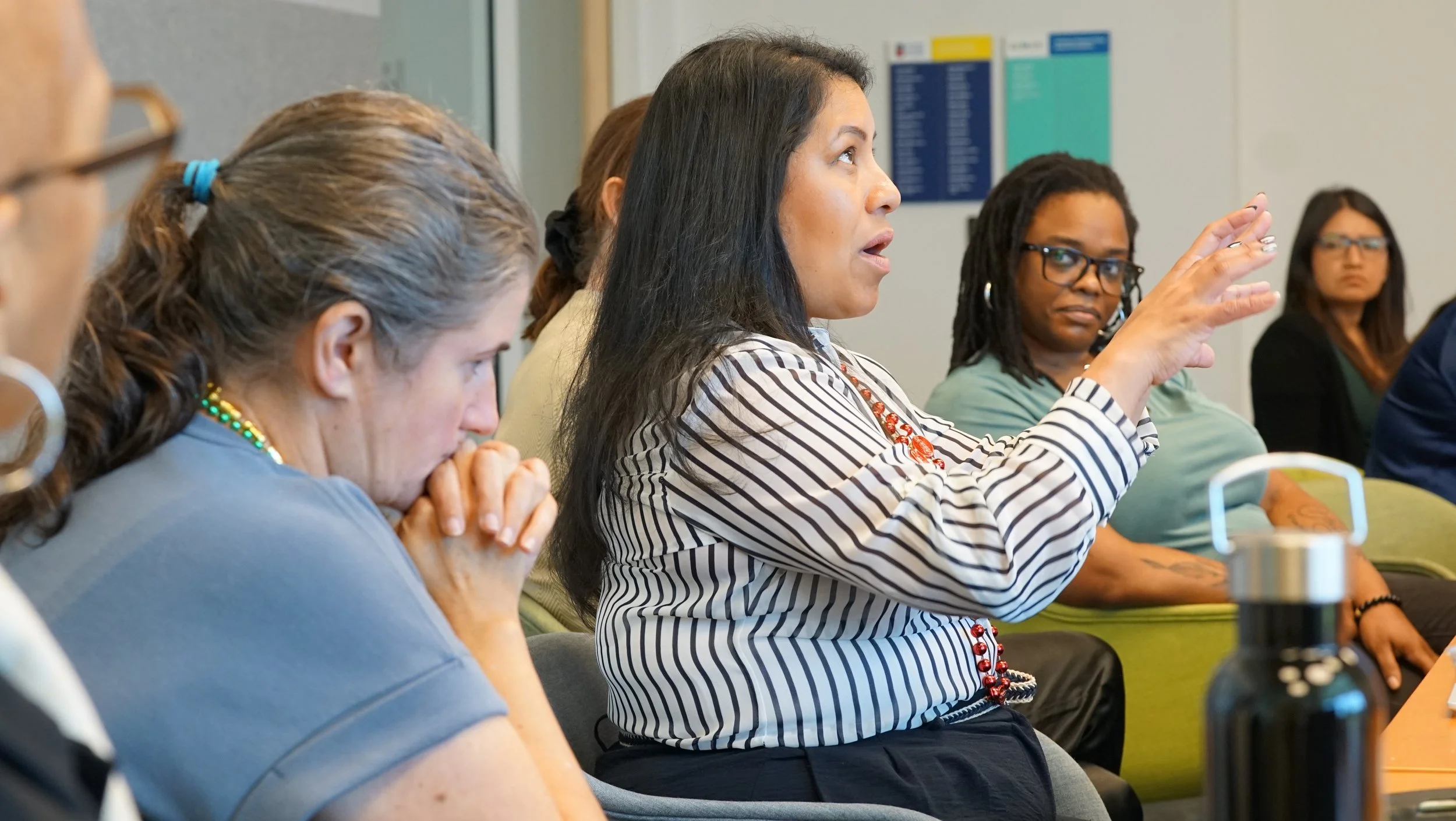
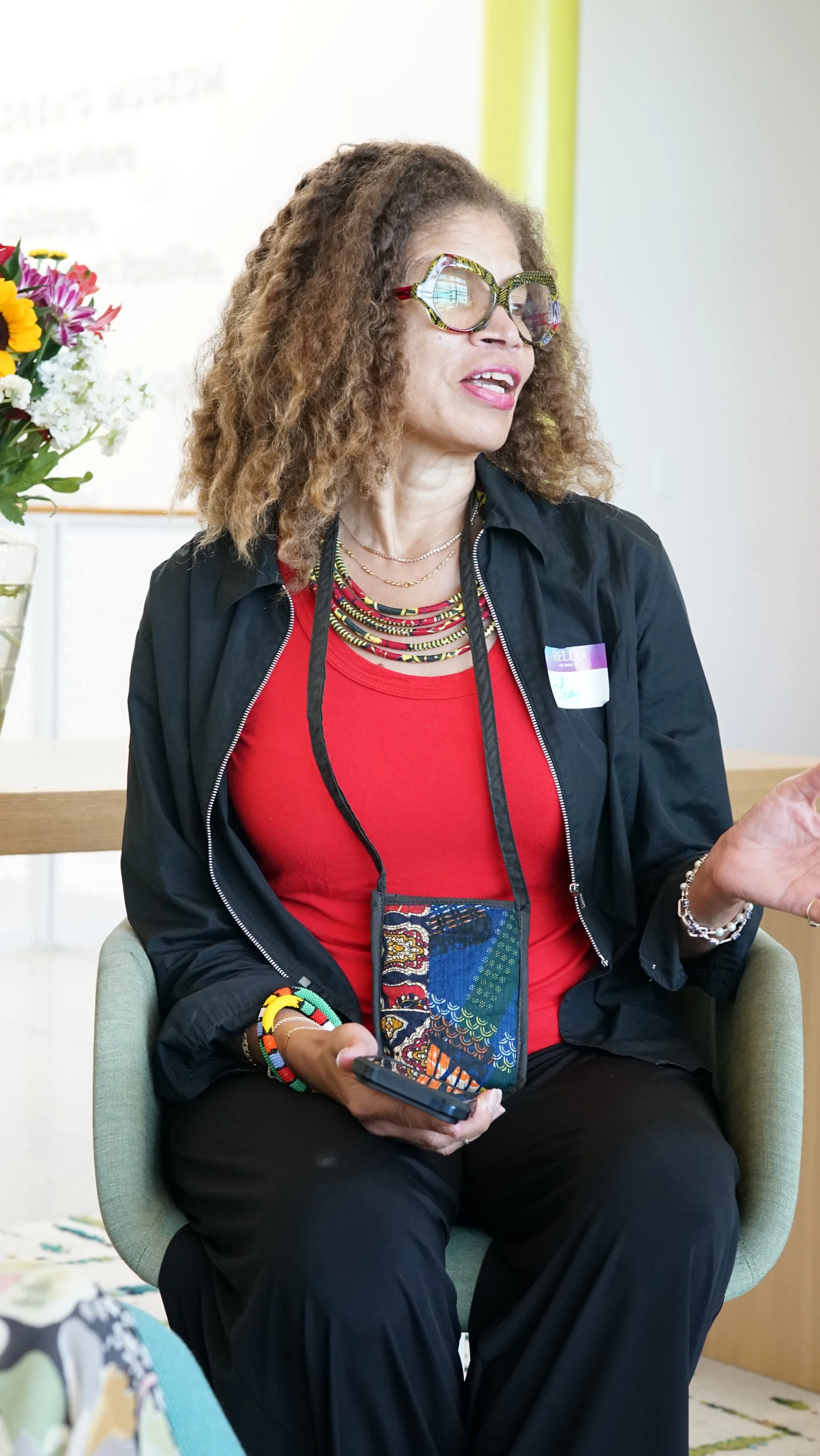
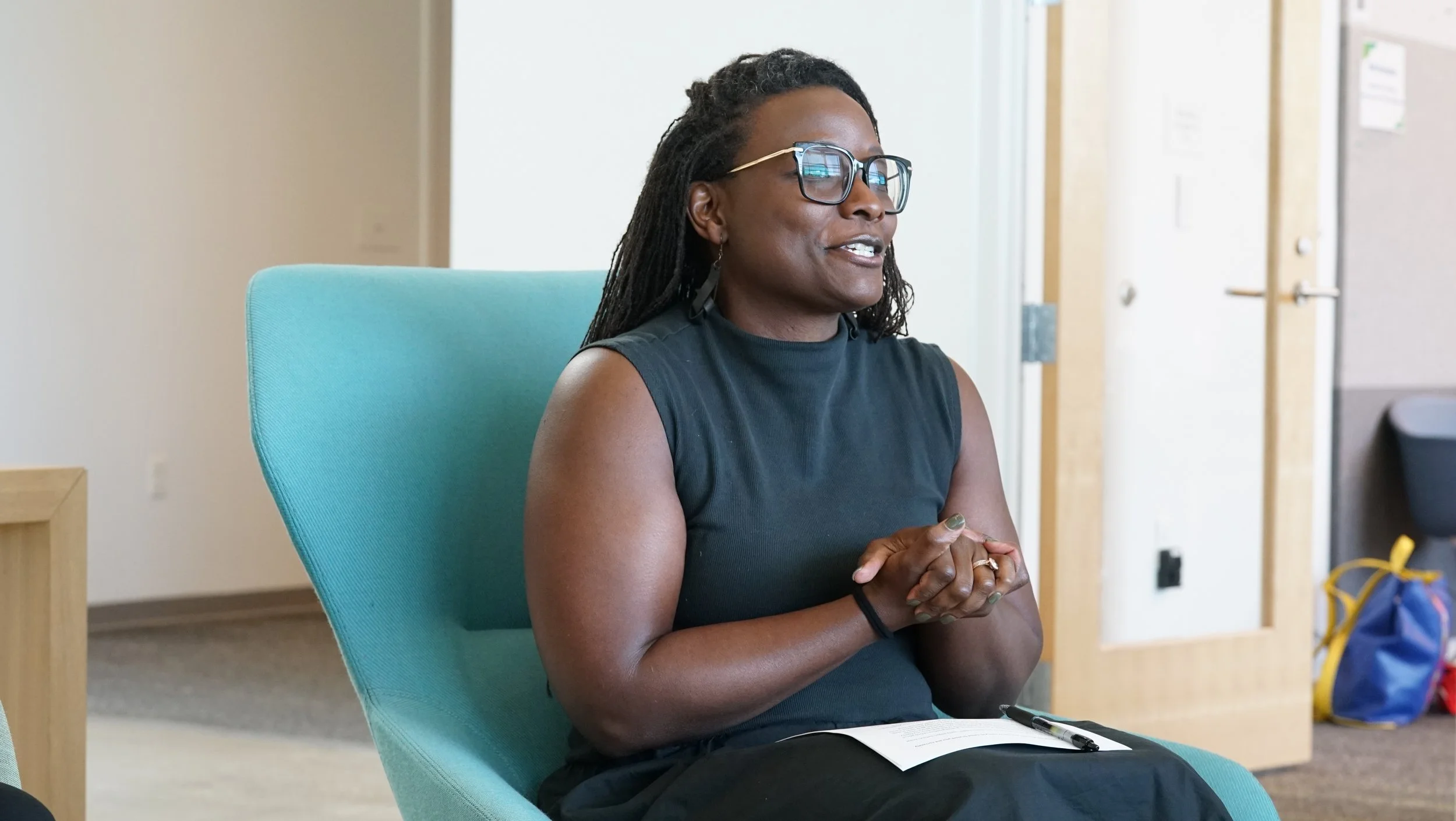
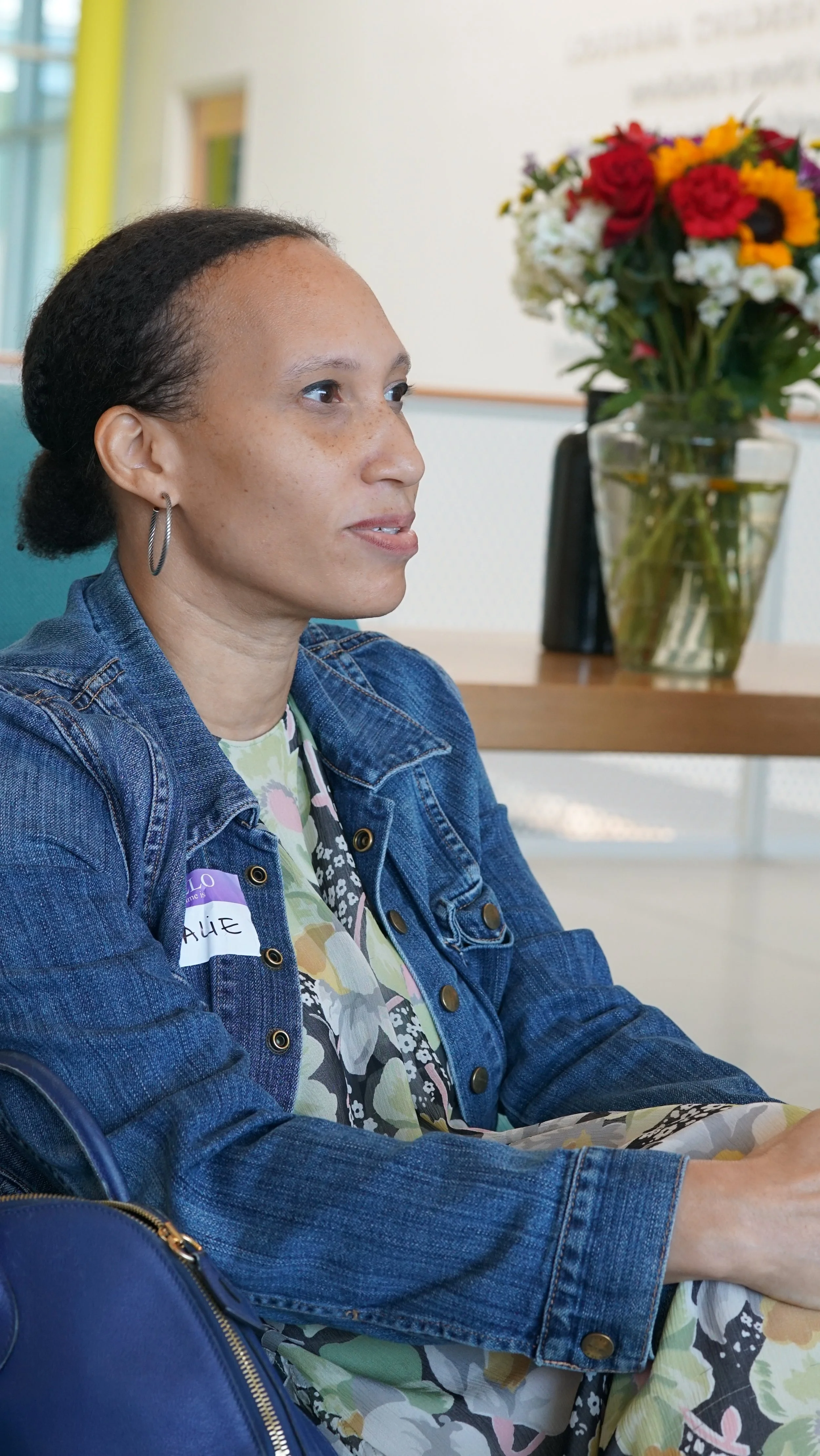
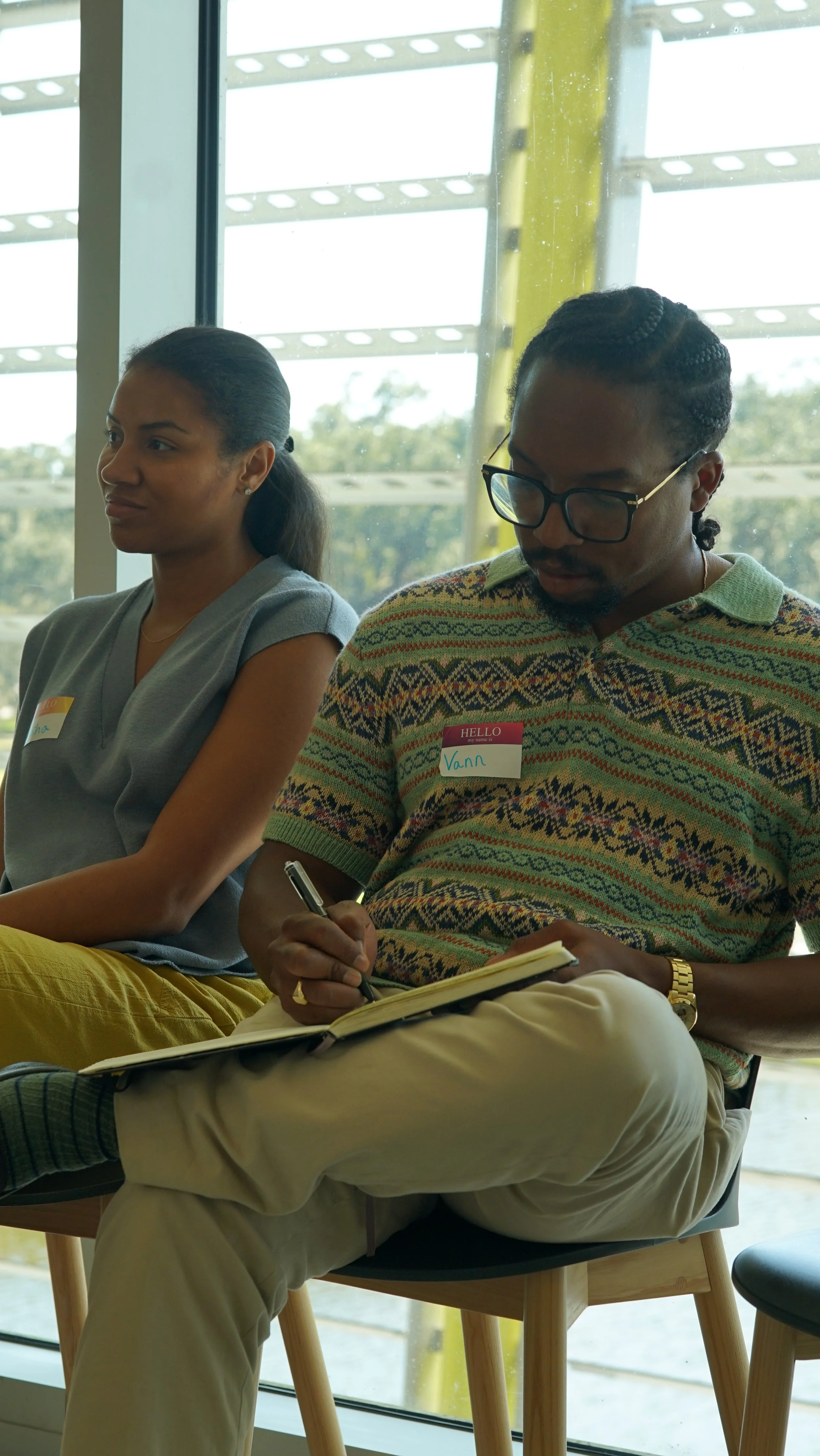
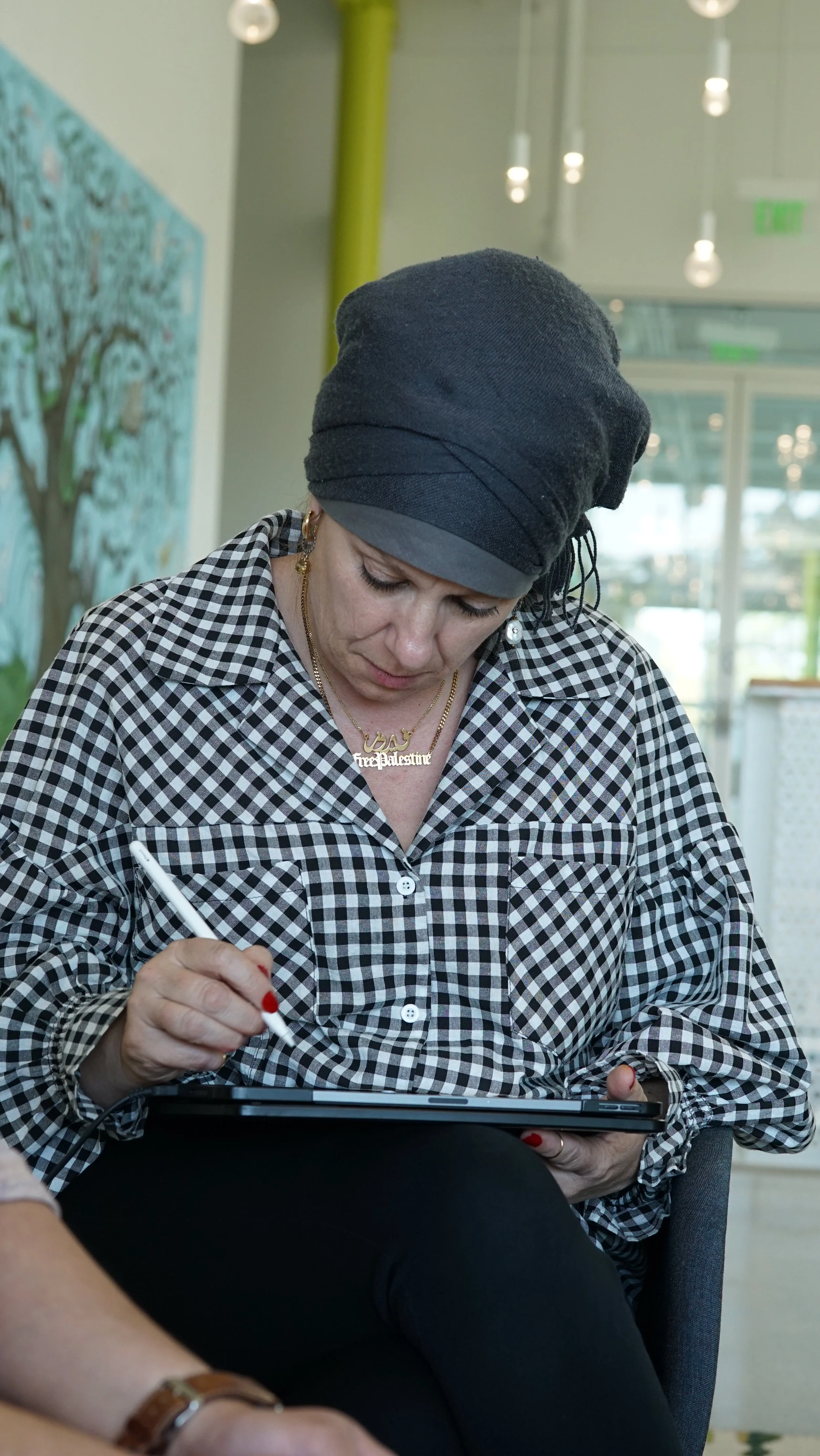
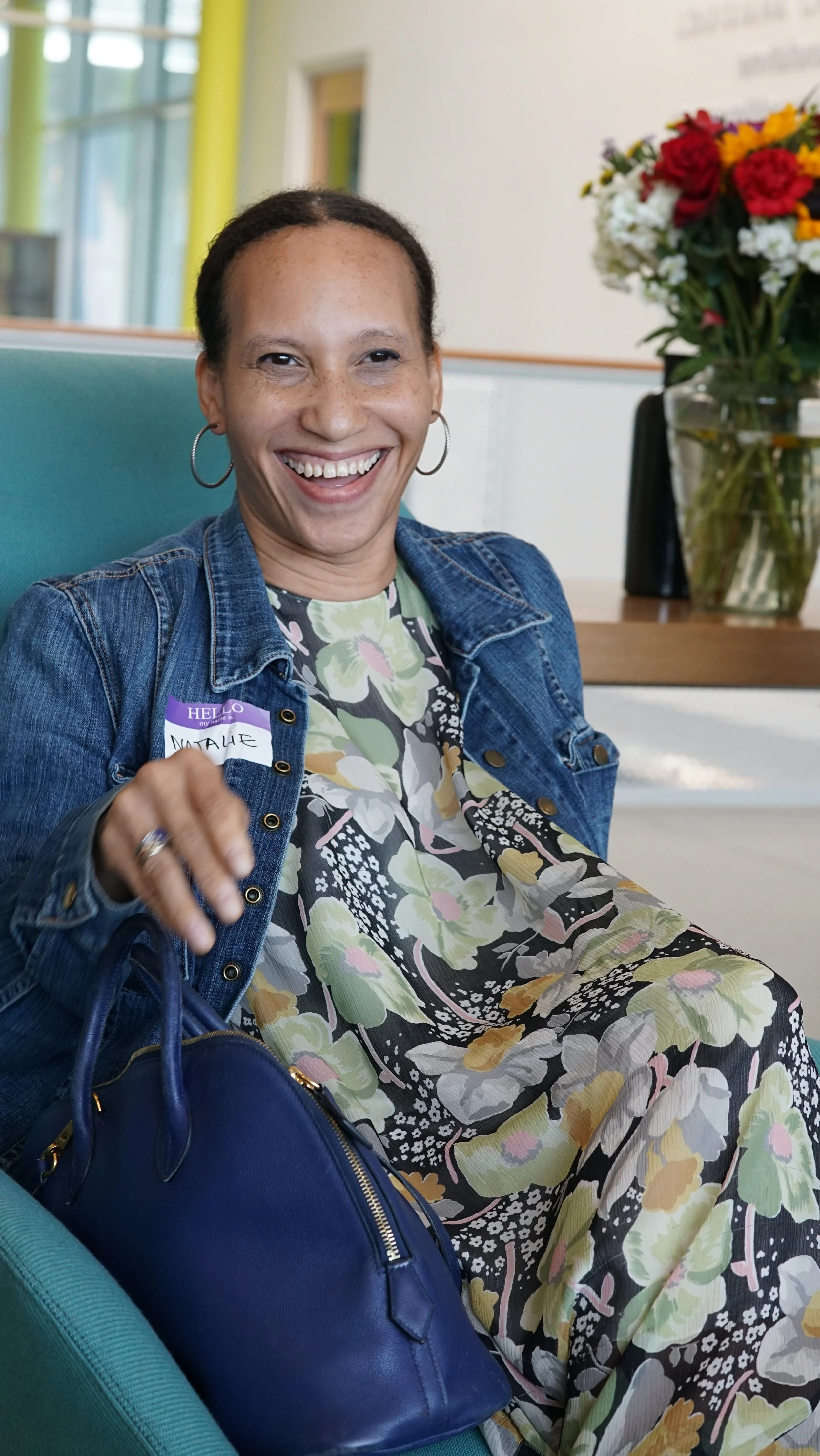
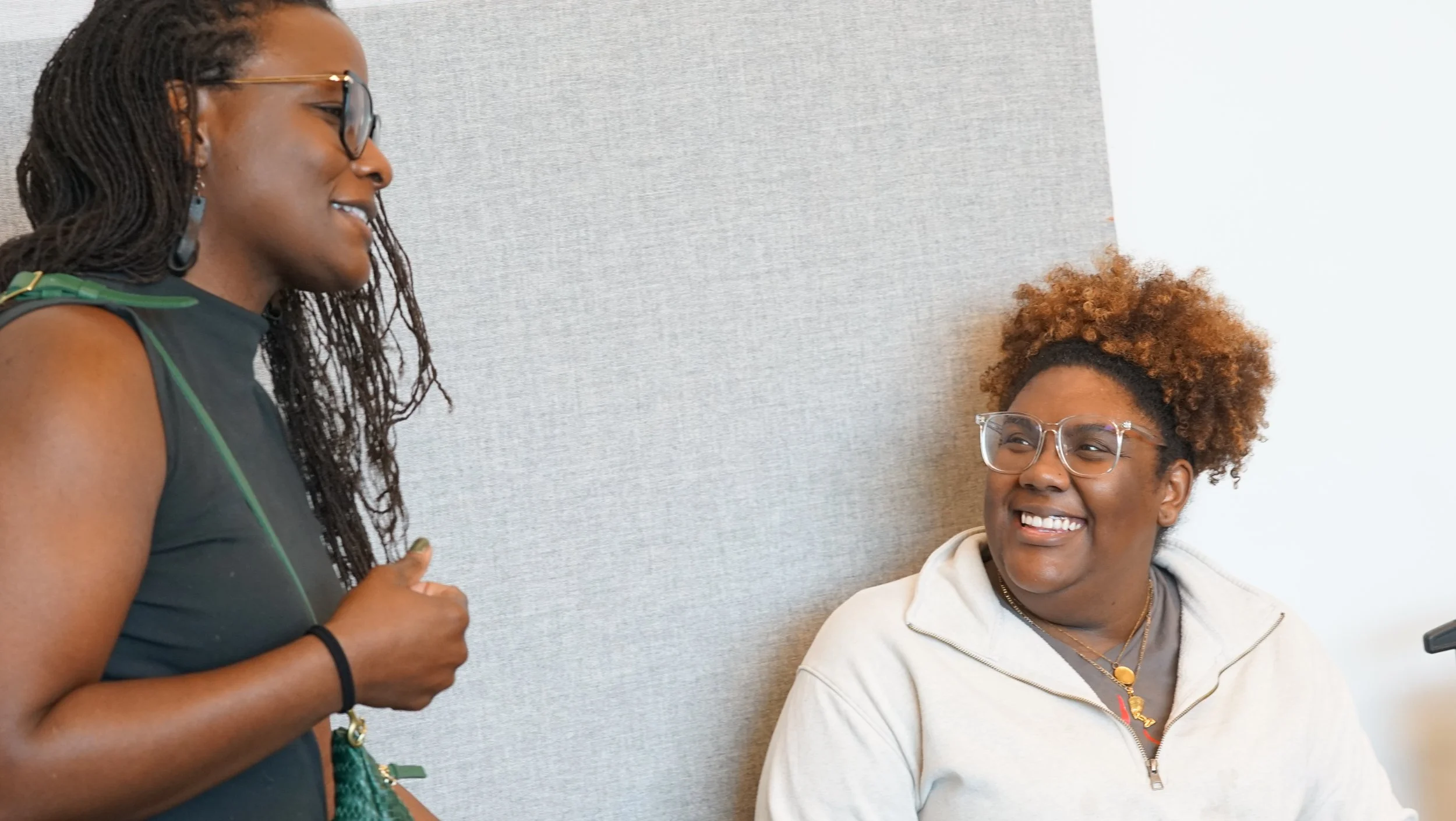
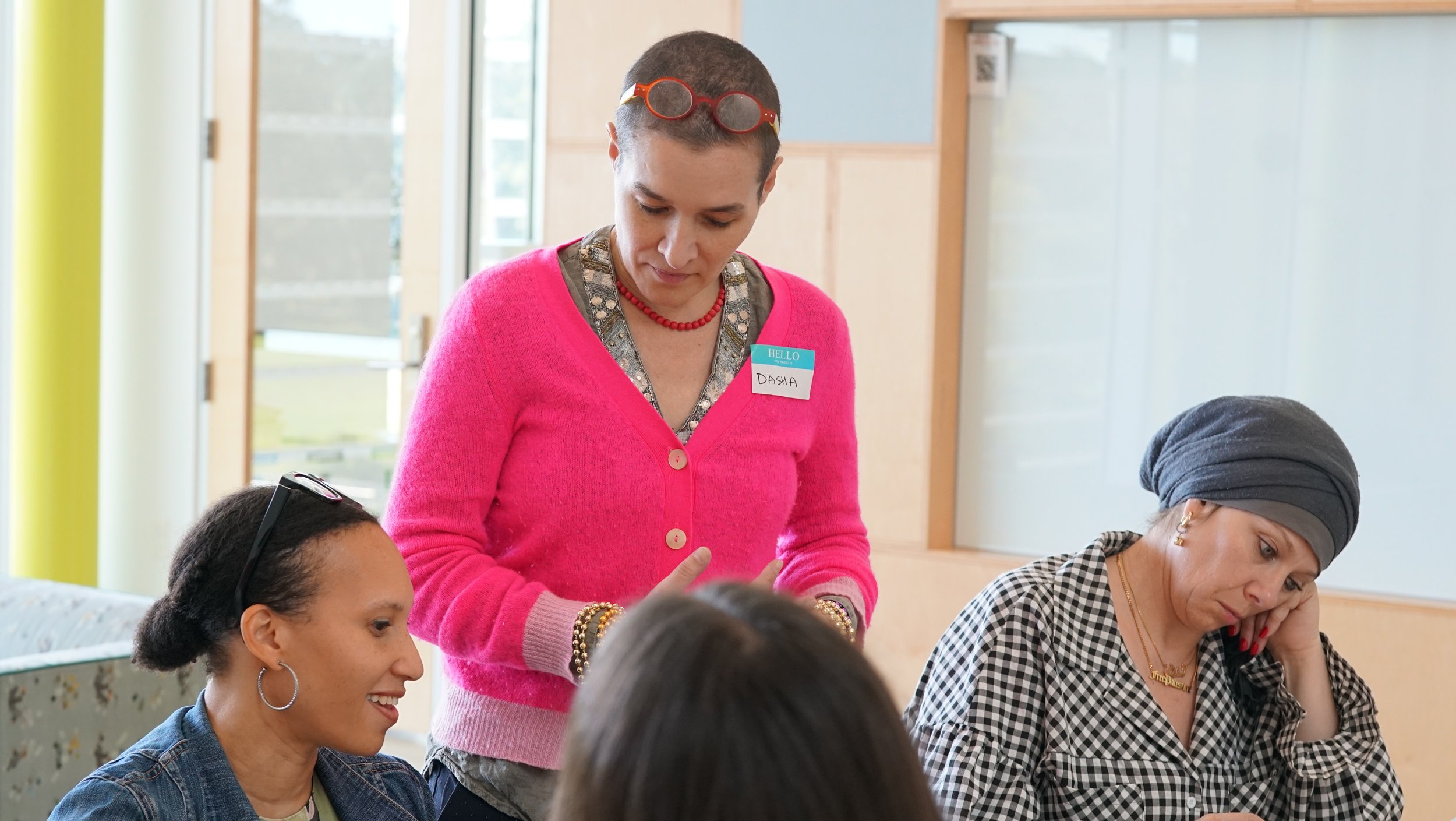
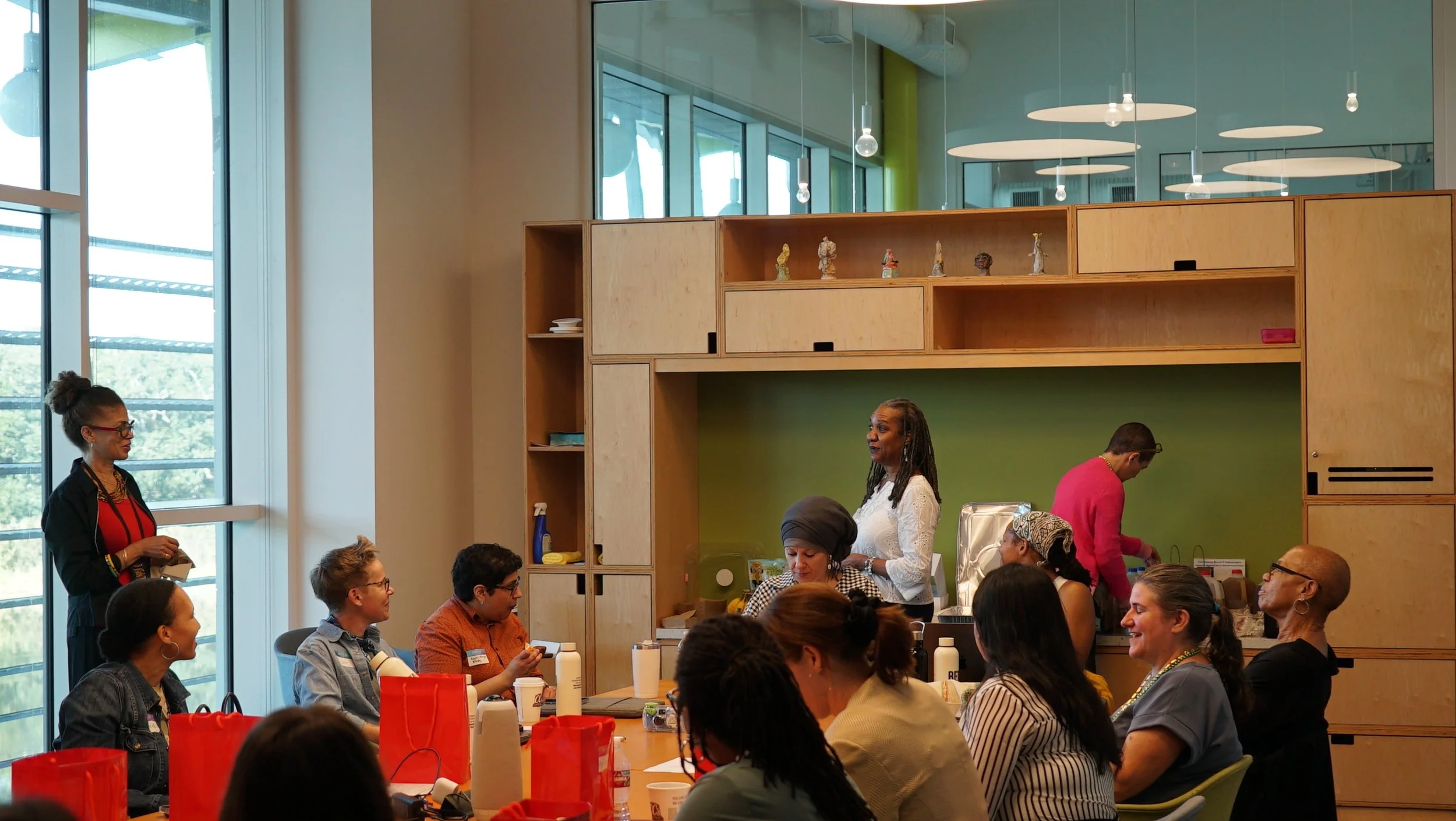
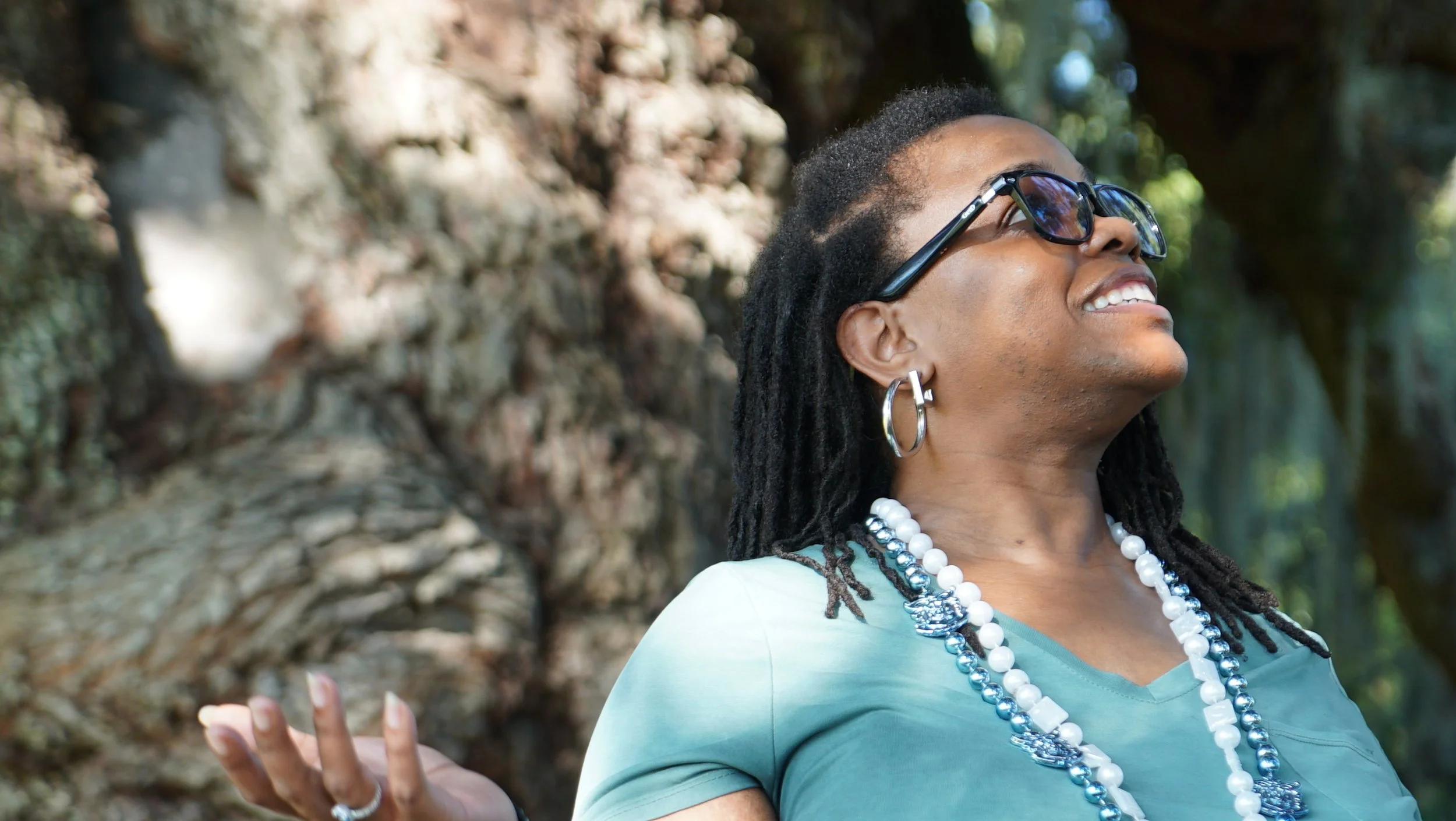
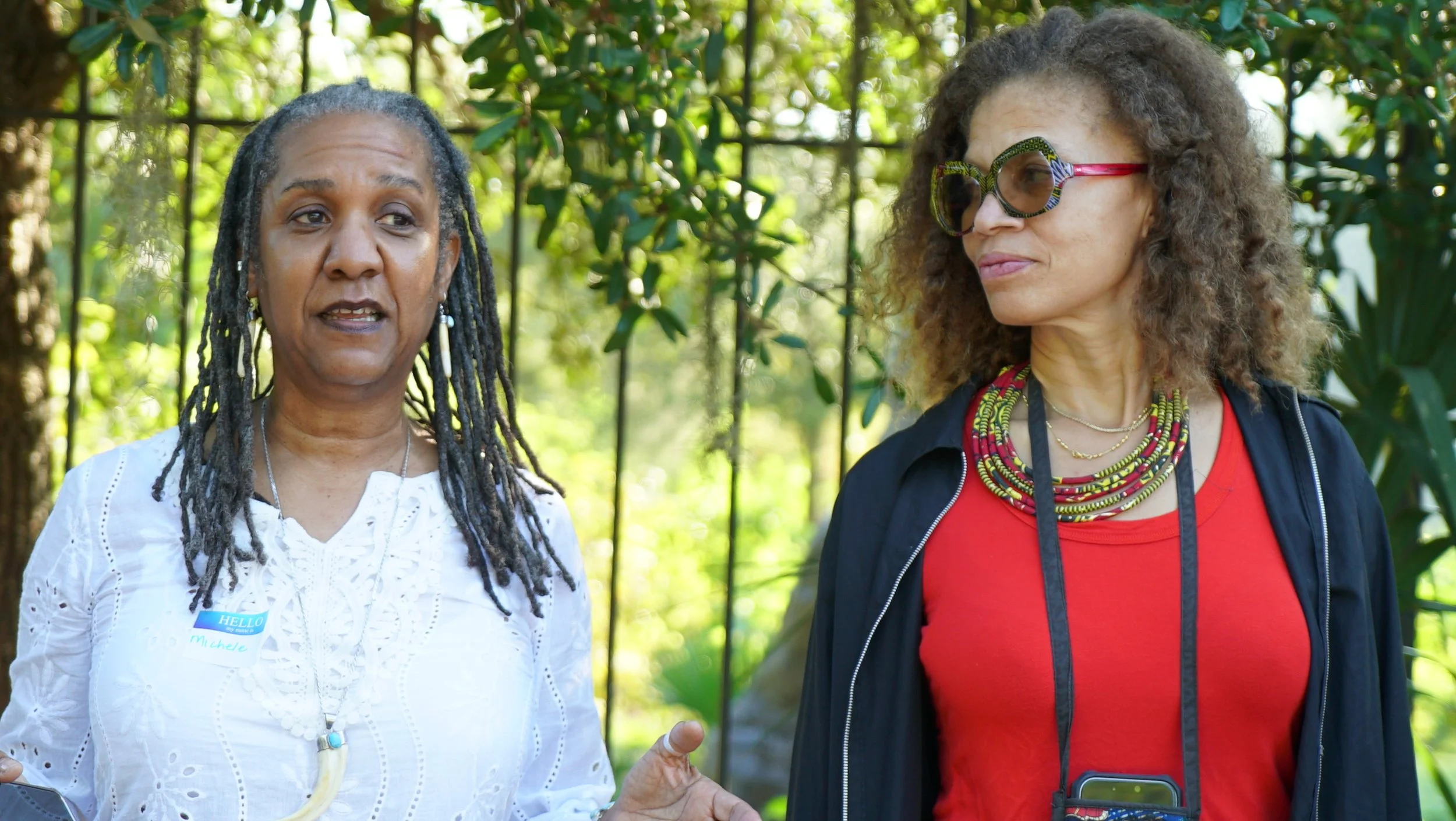
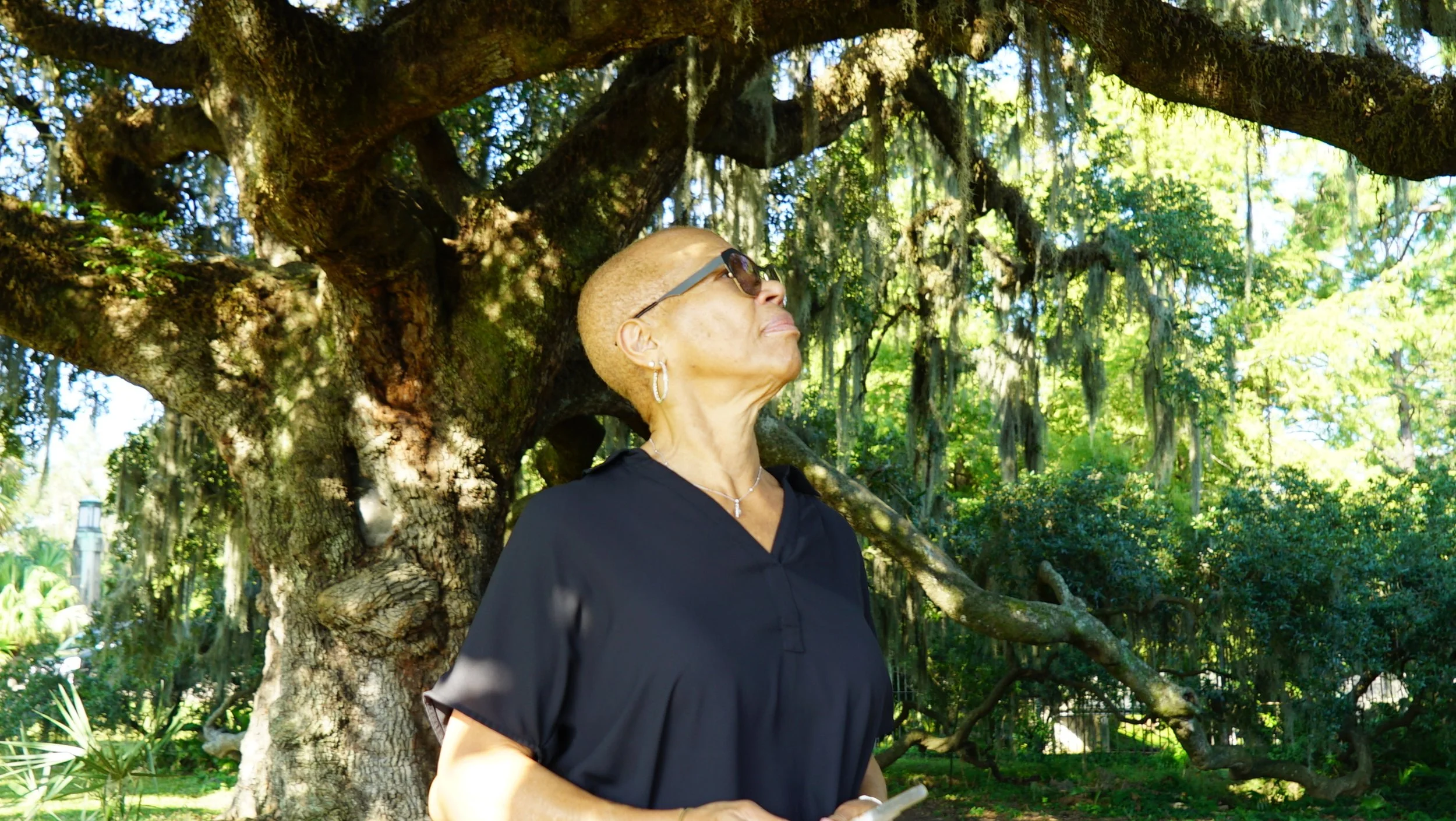
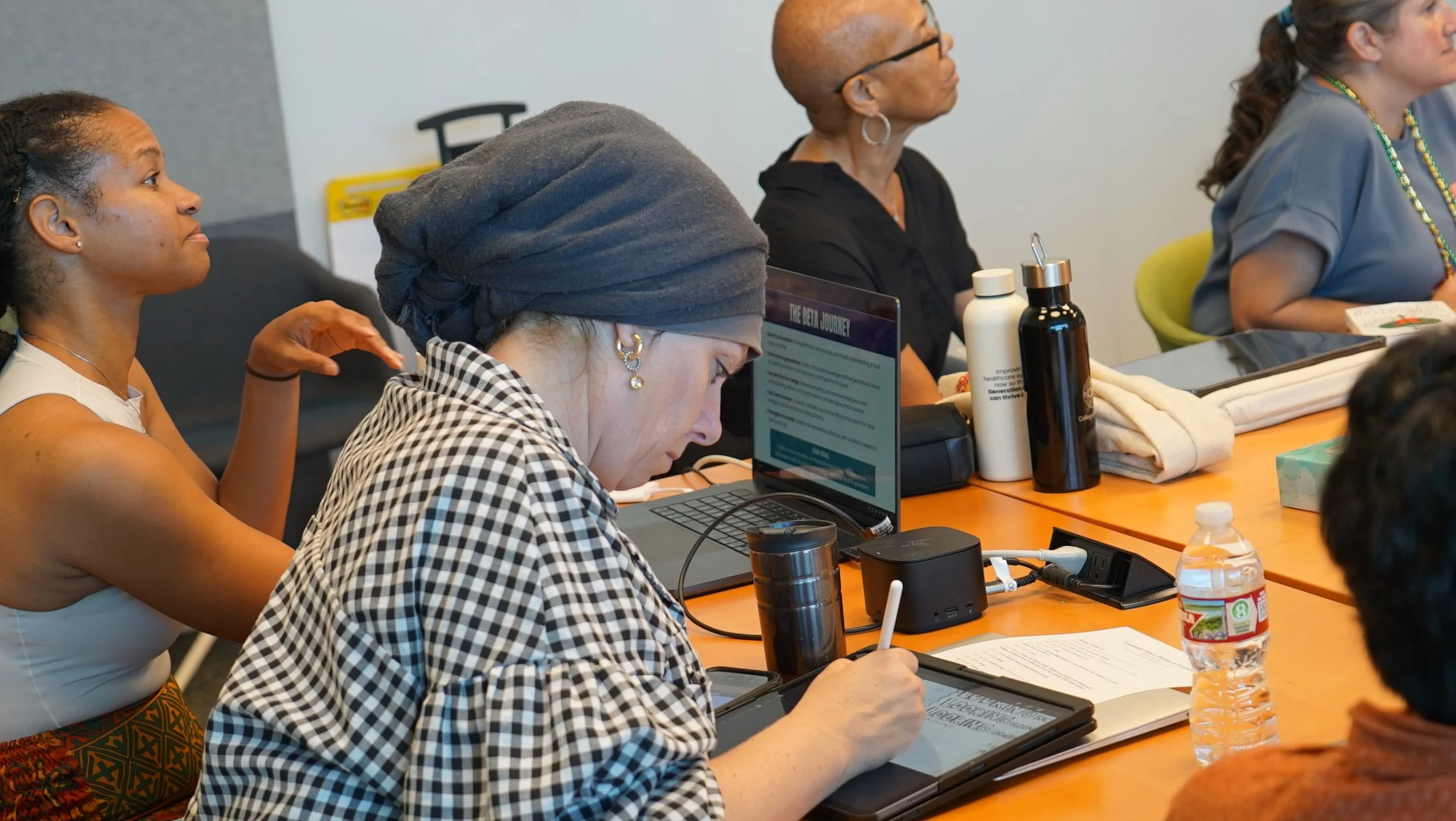
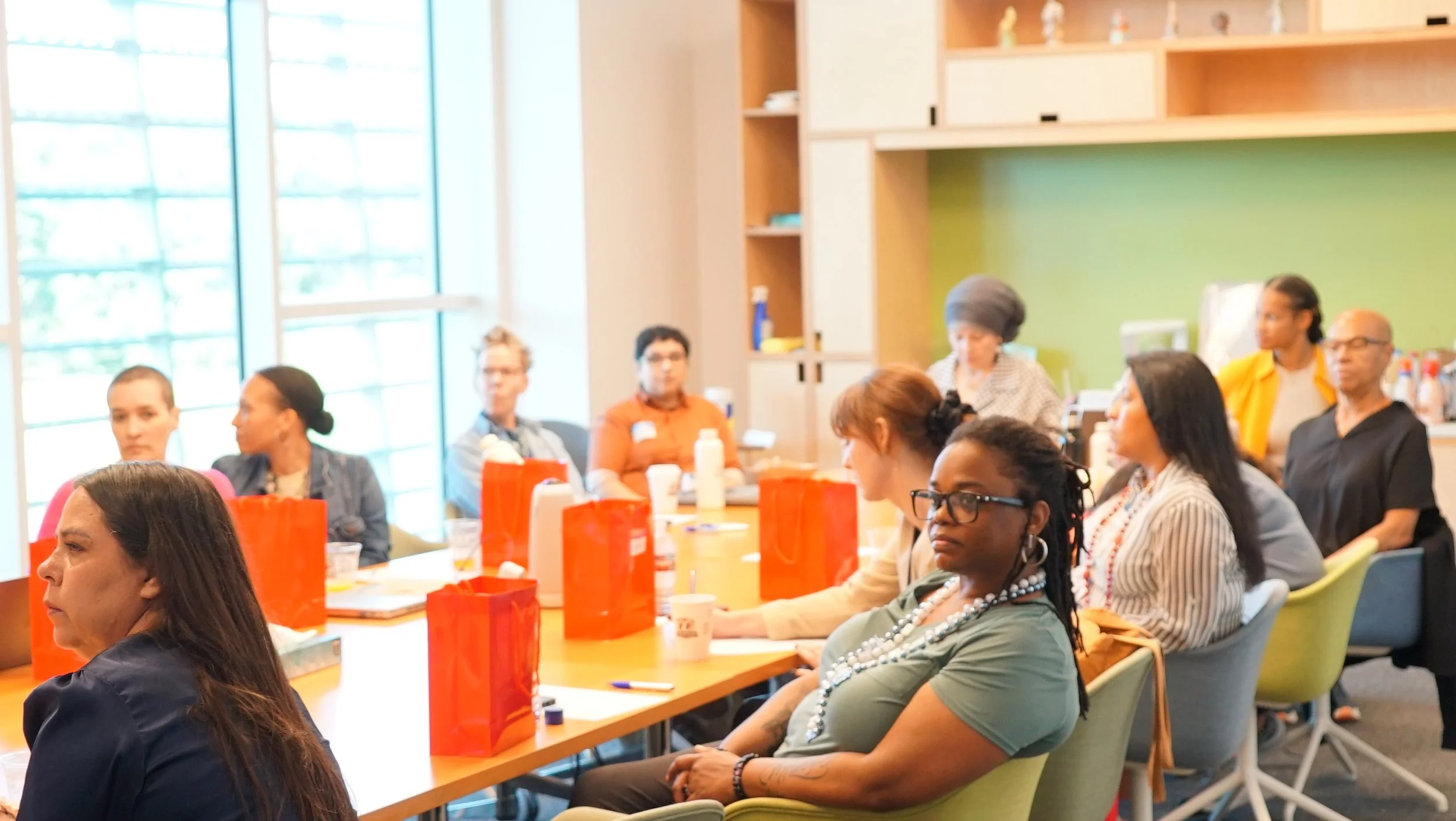
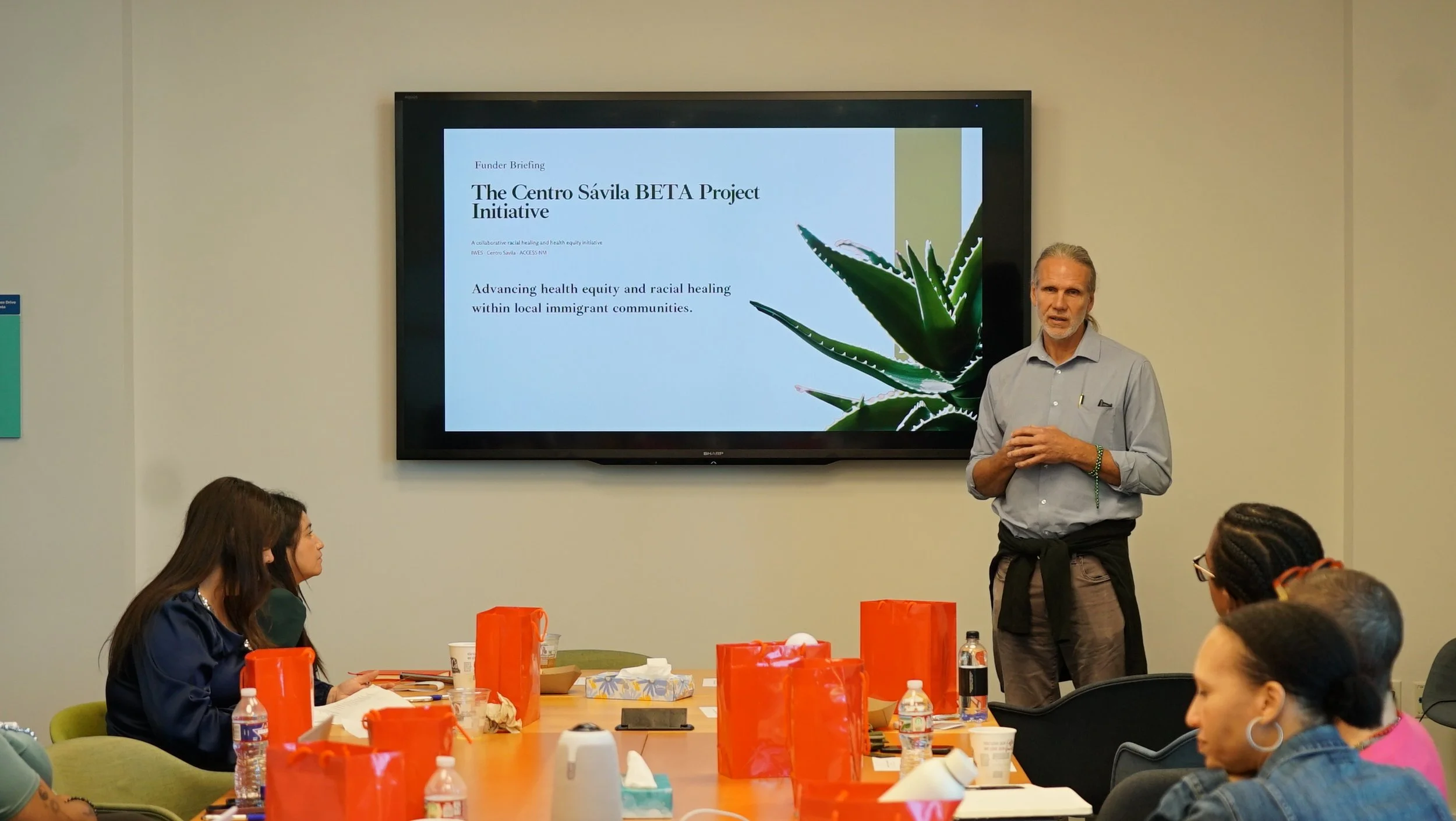
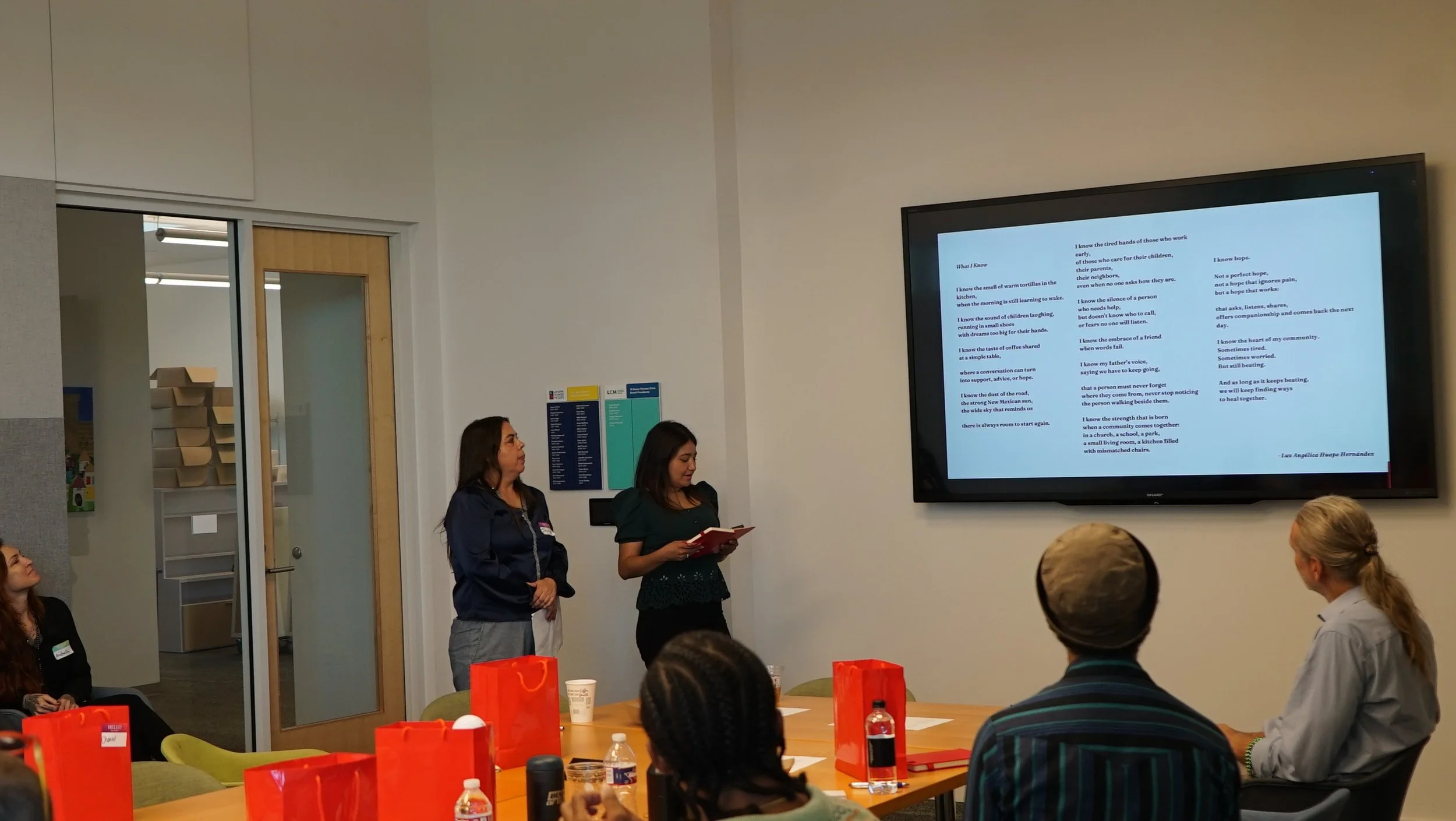
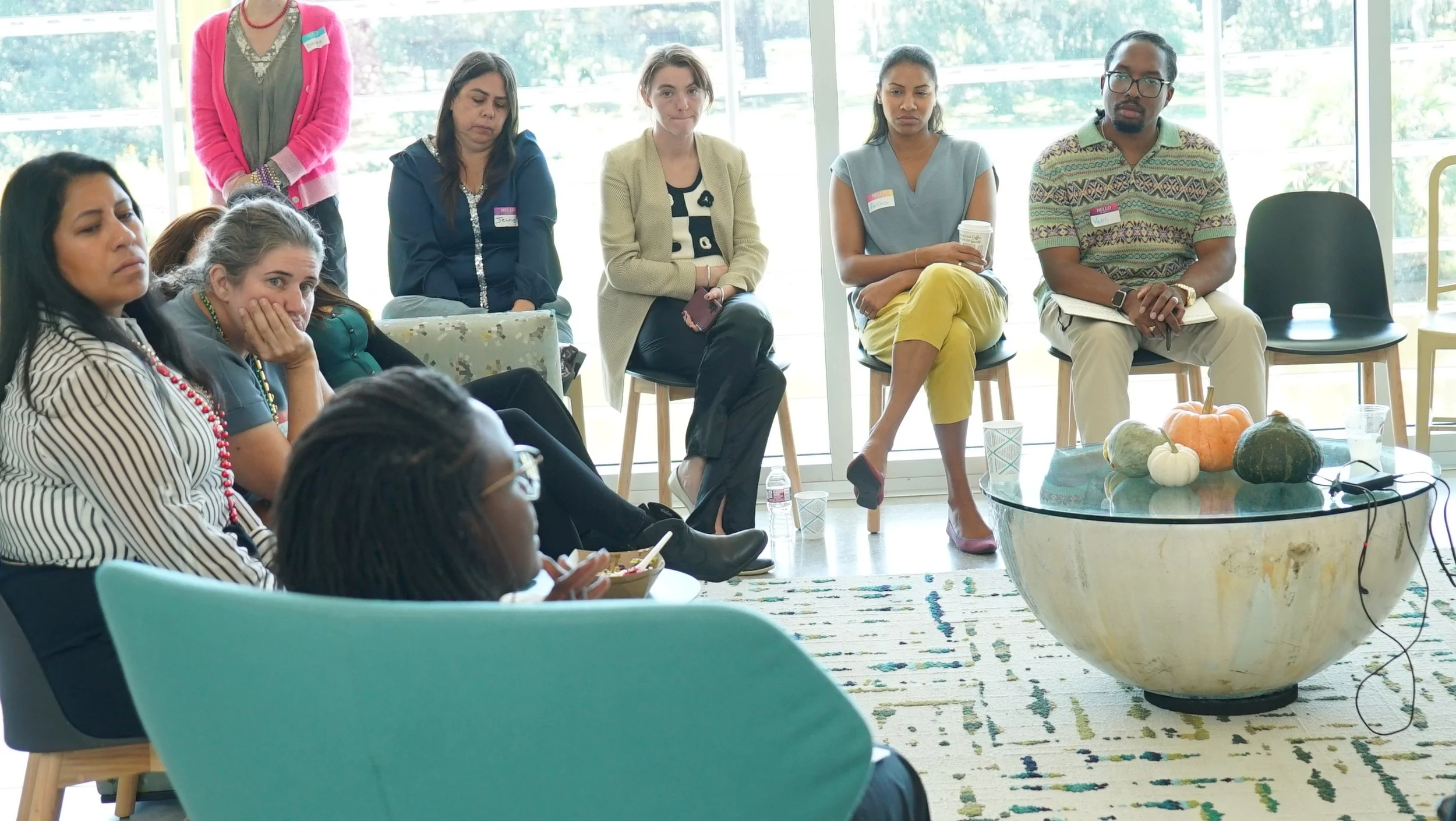
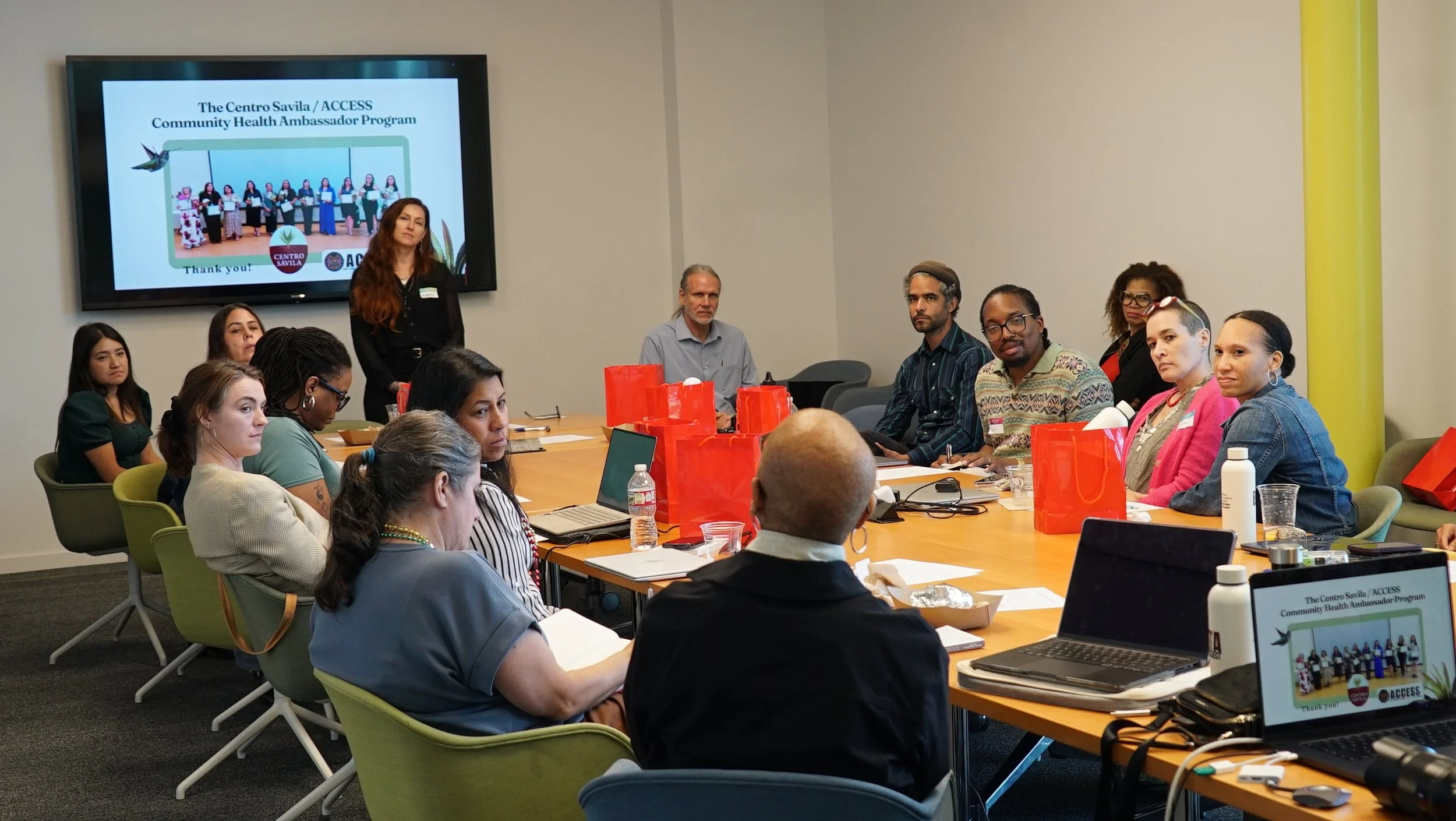
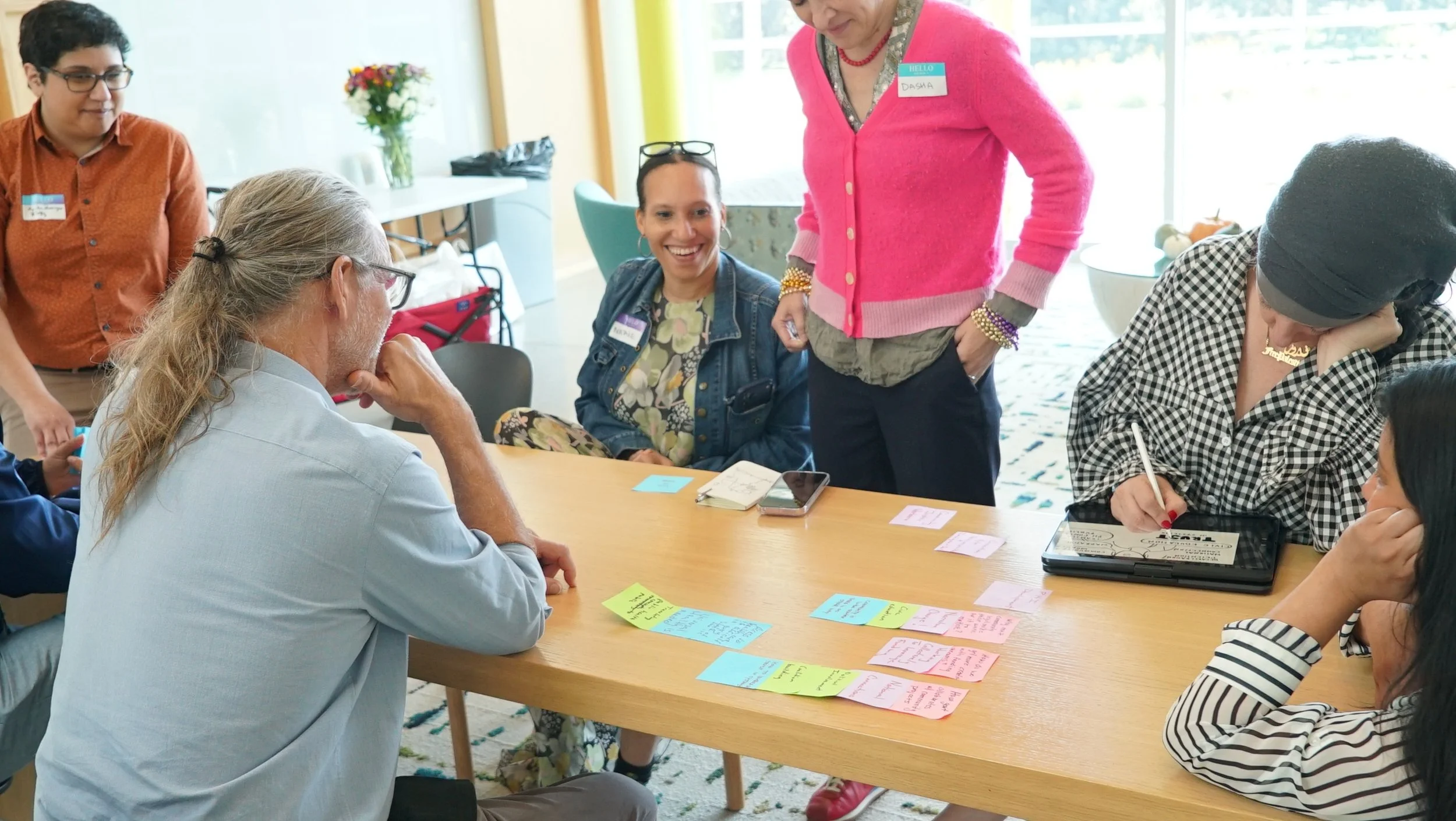
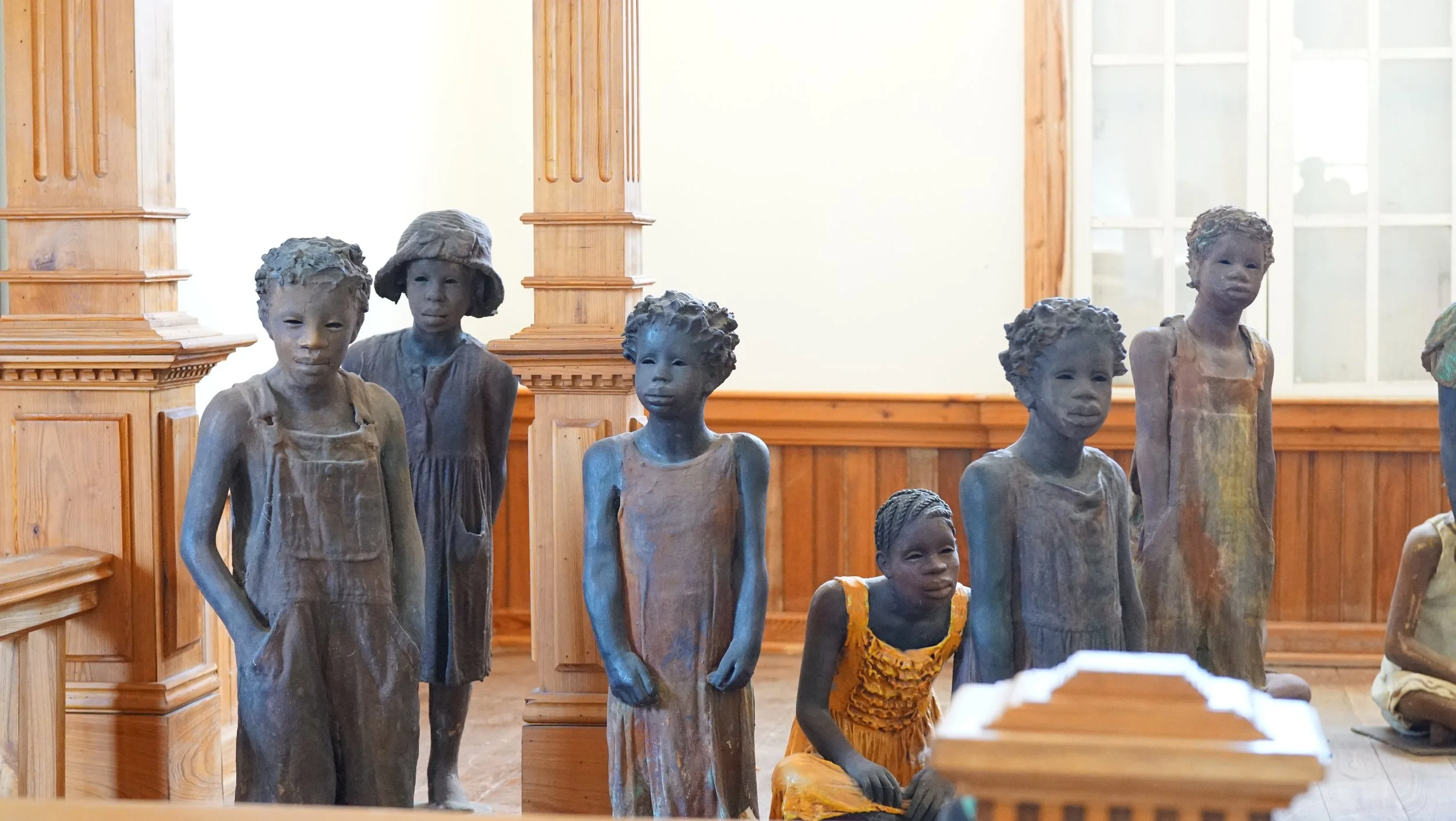
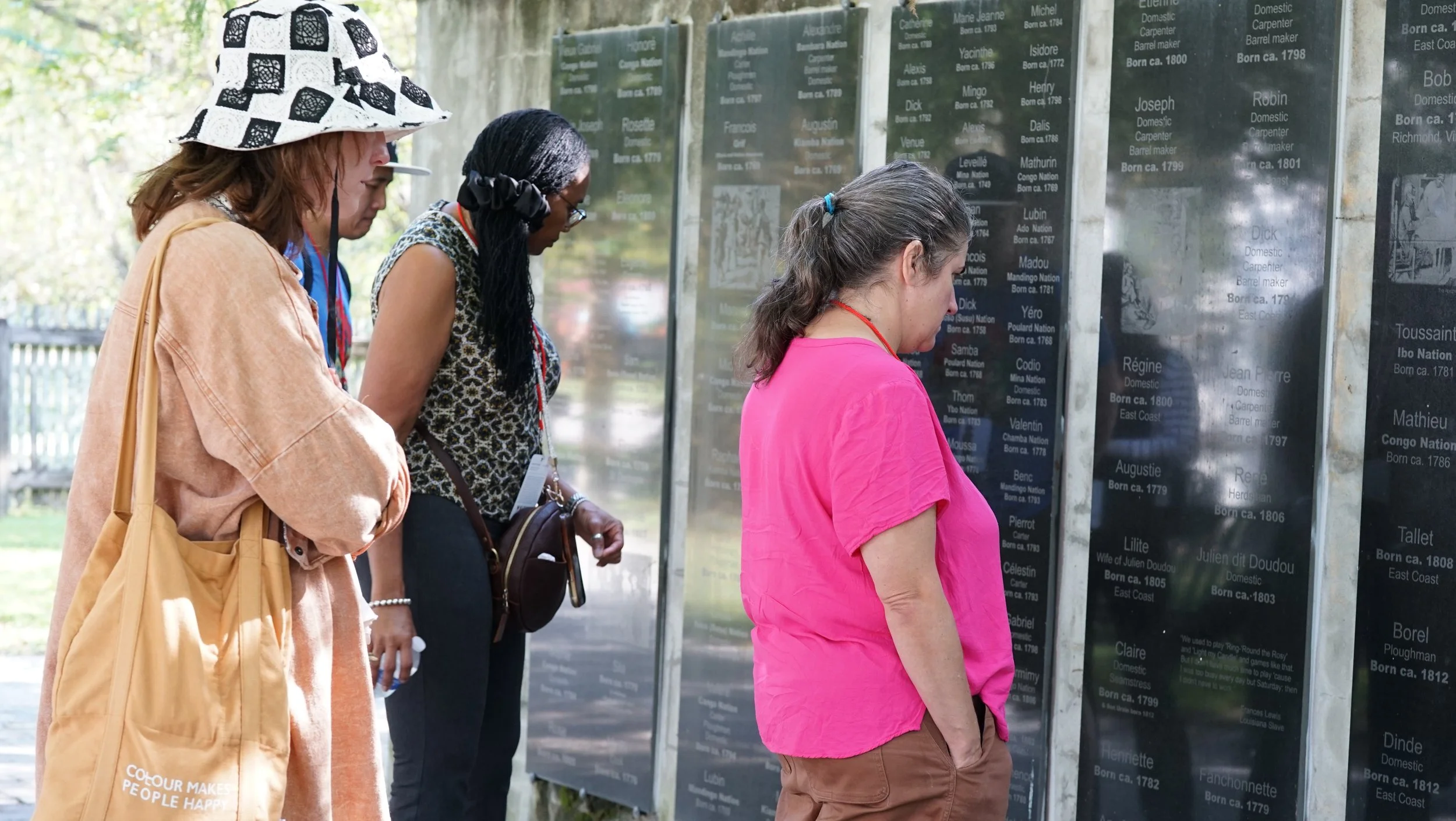
On the last day we visited the Whitney Plantation in Wallace, Louisiana, the only plantation dedicated to telling the story of slavery in the US from the perspective of those that were enslaved. At the Whitney we reflected on the lasting impact of one of the most heinous institutions, structures, and systems of practices in US history on the physical bodies and psyches of not only those that were enslaved and their descendants, but on society as a whole. To close out the day and the convening, we went to a place renowned not only for its food (and art collection!), but also for the critical role it played convening leaders, thinkers, and freedom fighters during the civil rights era, Dooky Chase, and ended with New Orleans cuisine, poetry, and lots of conversation.
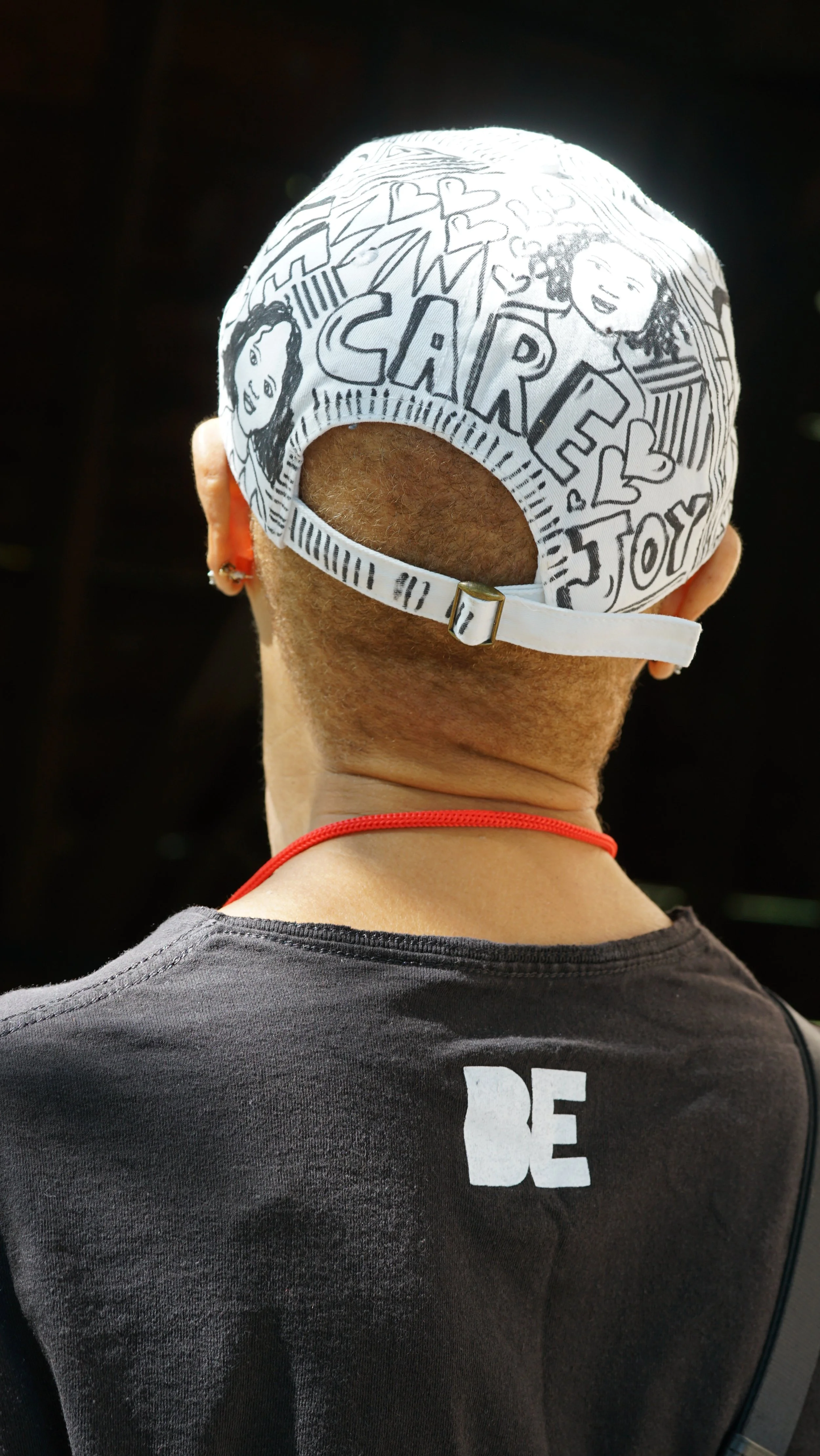
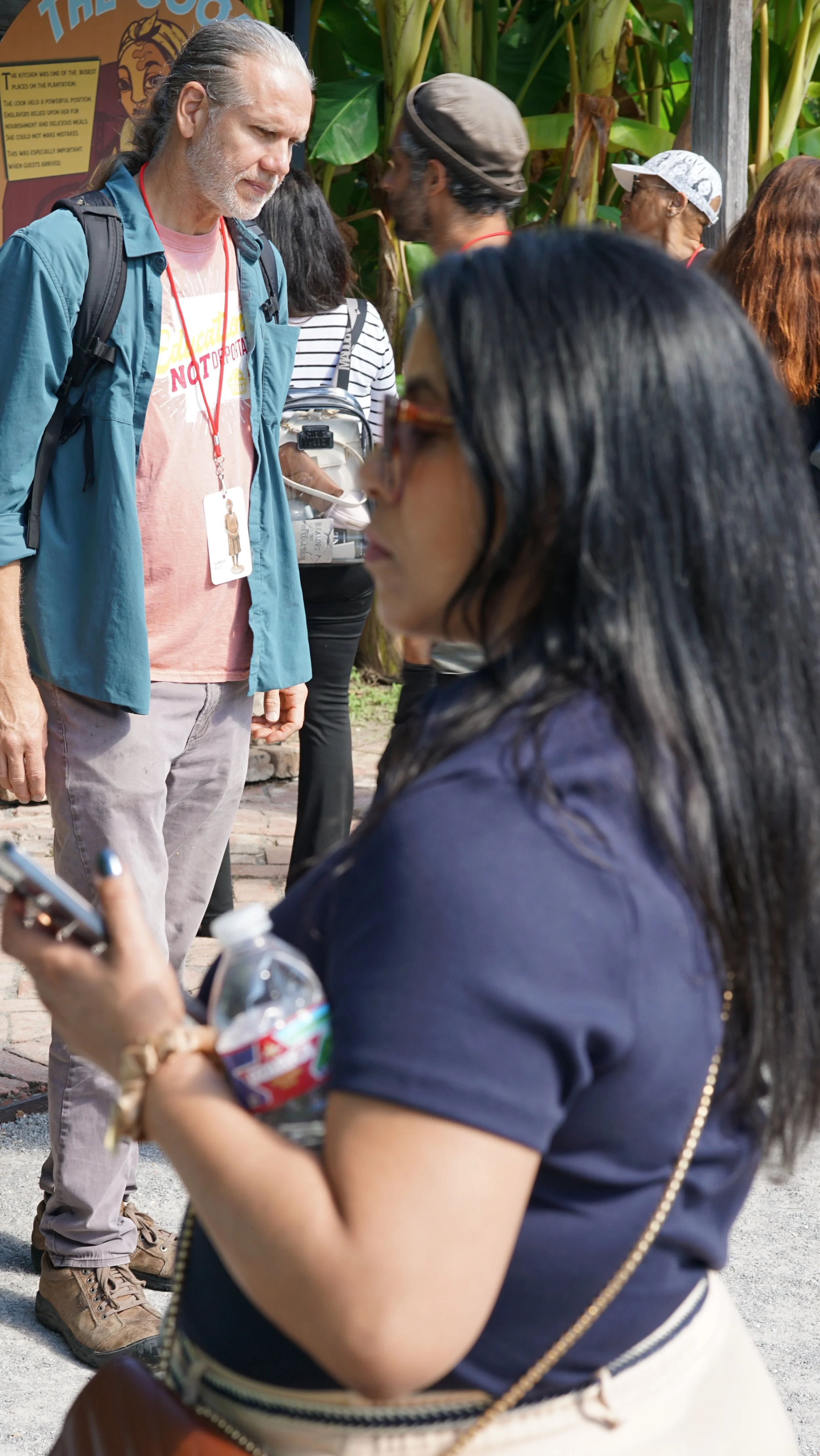
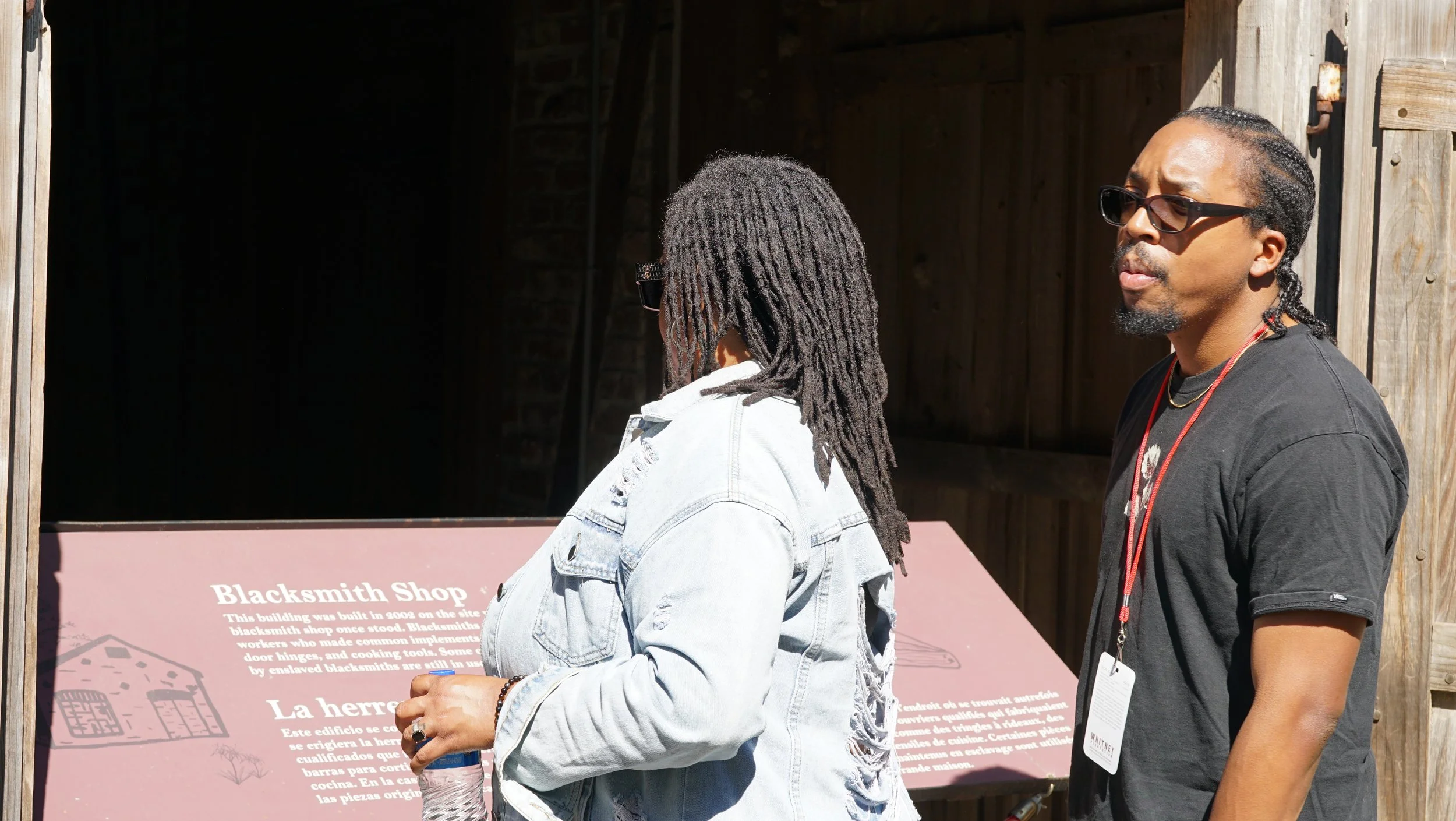
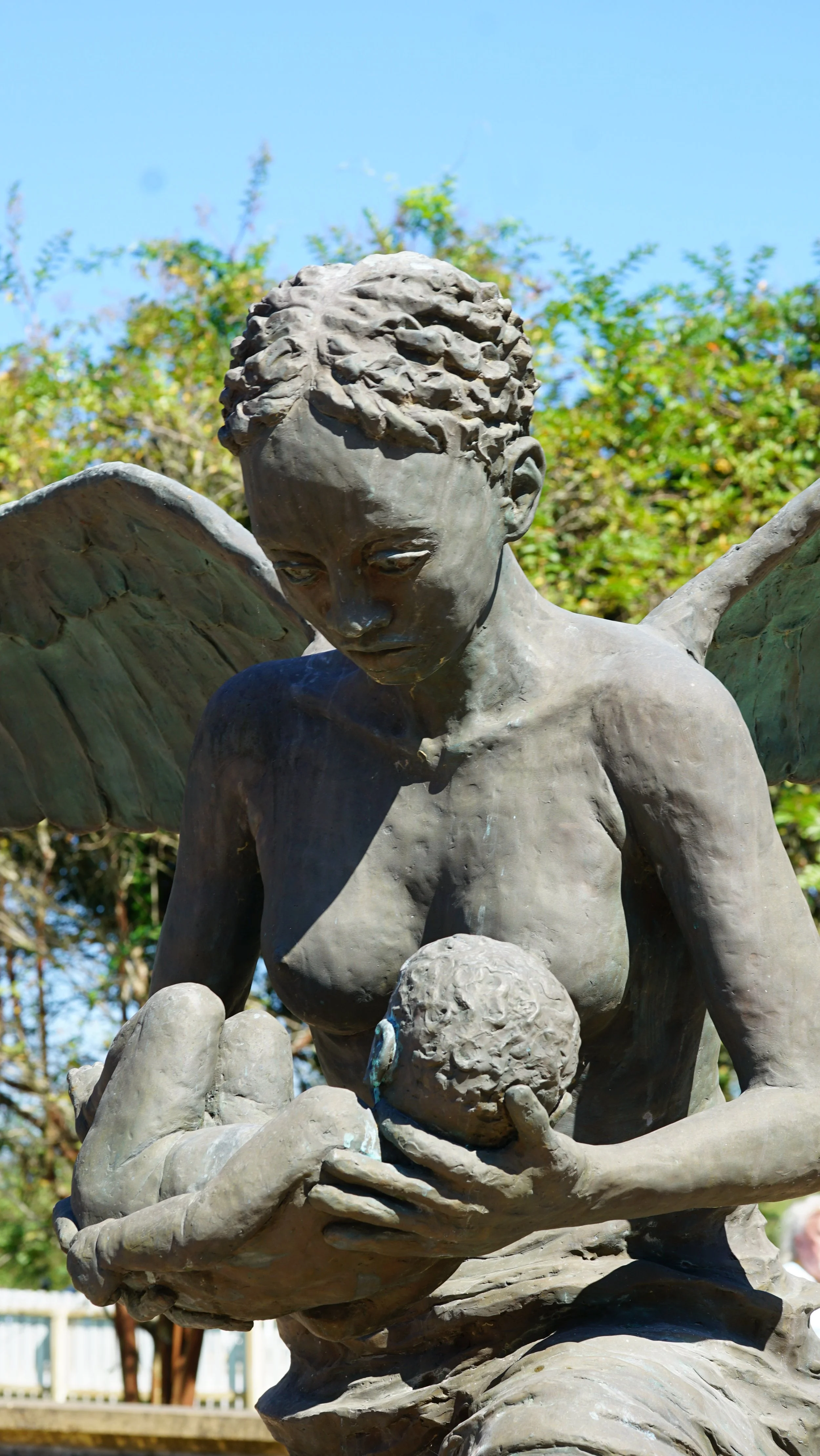
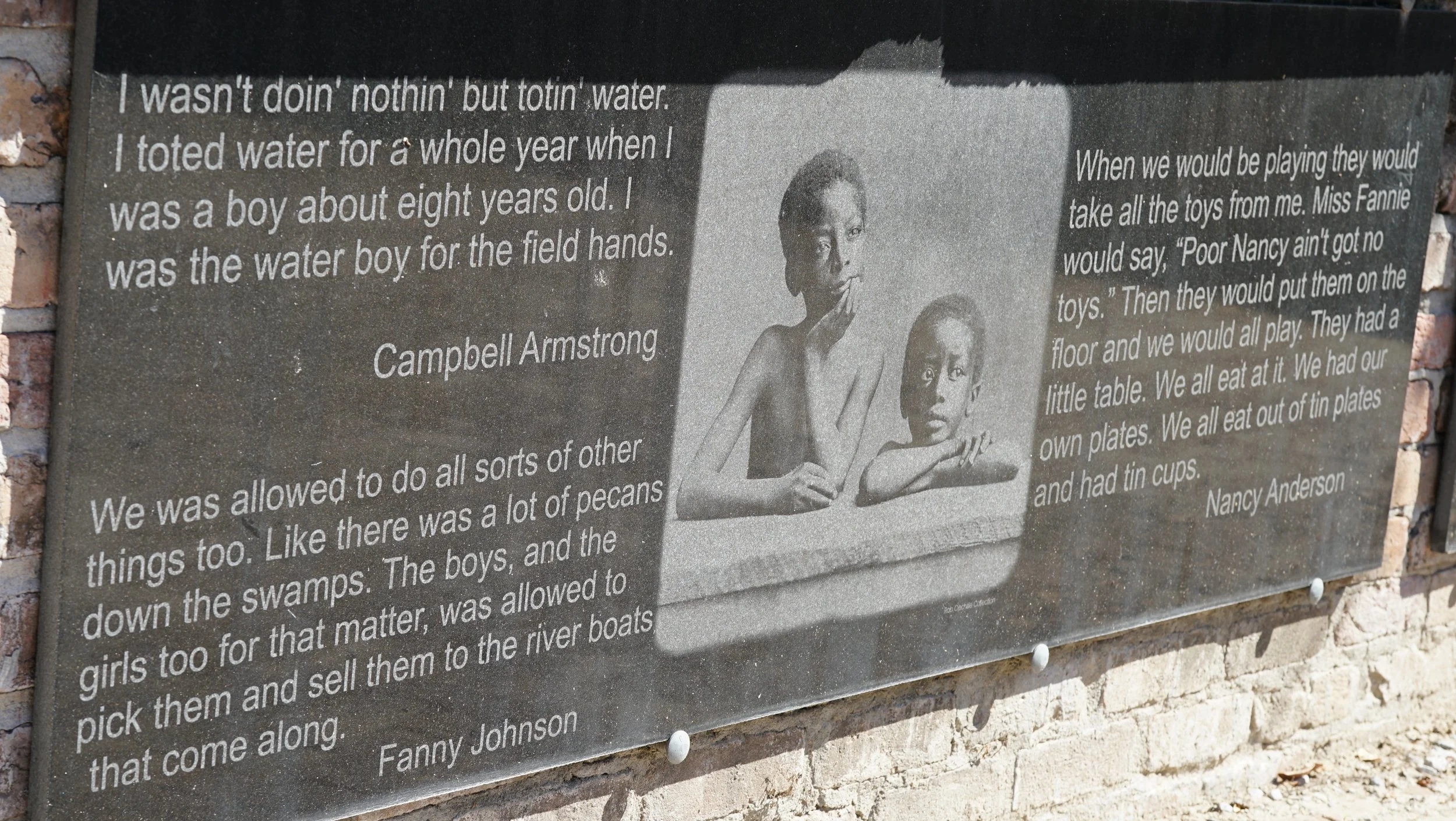
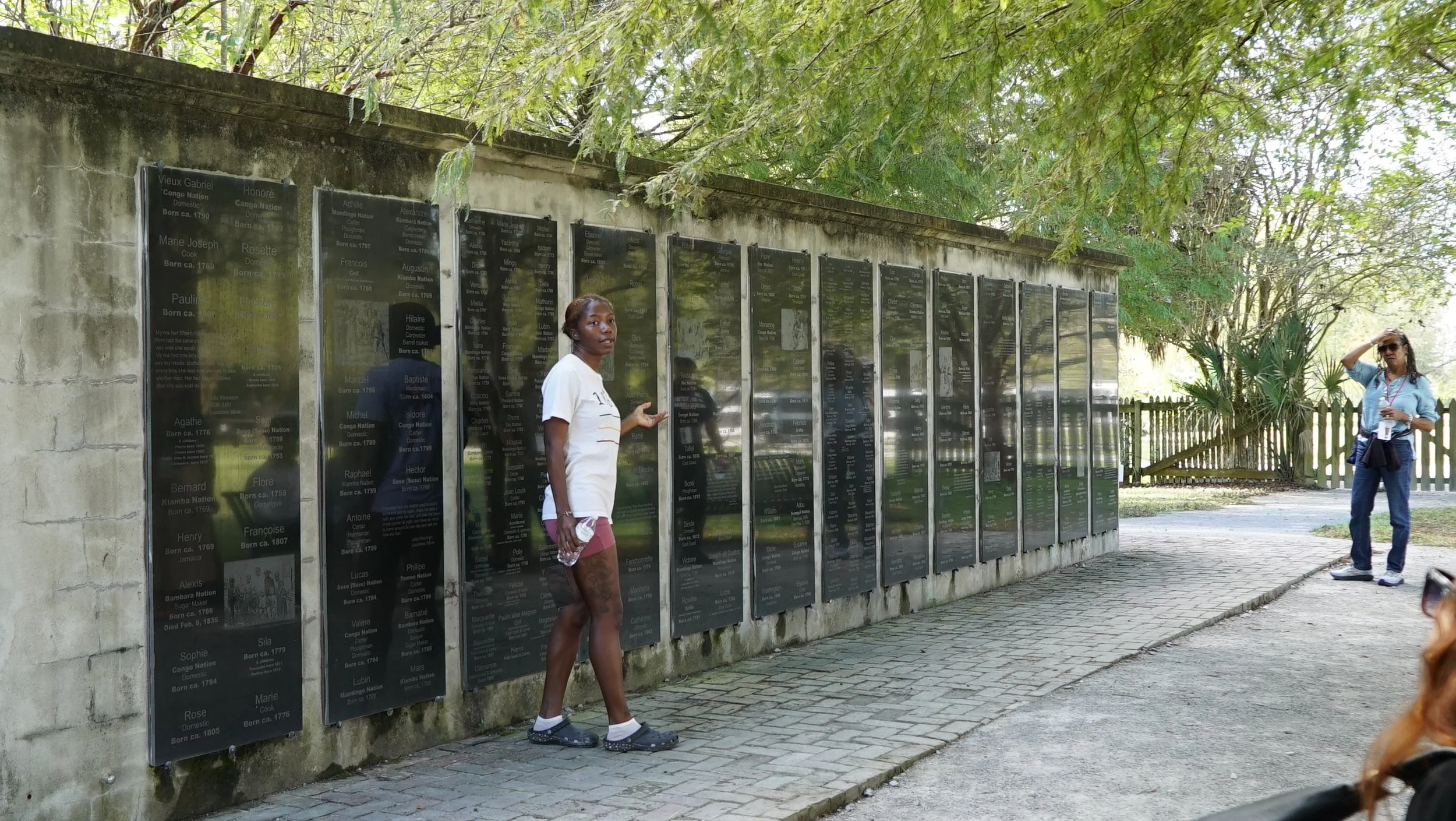
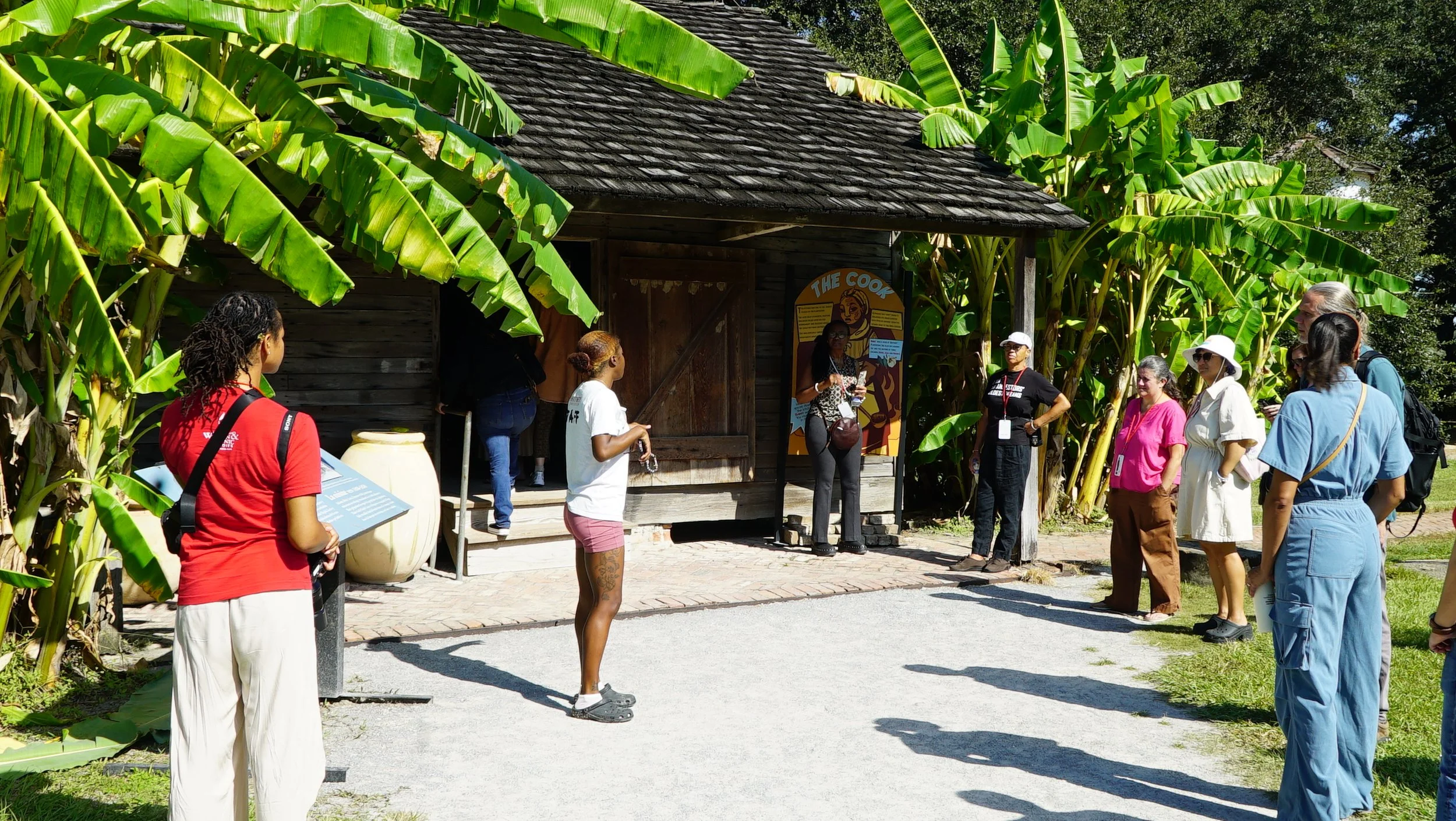
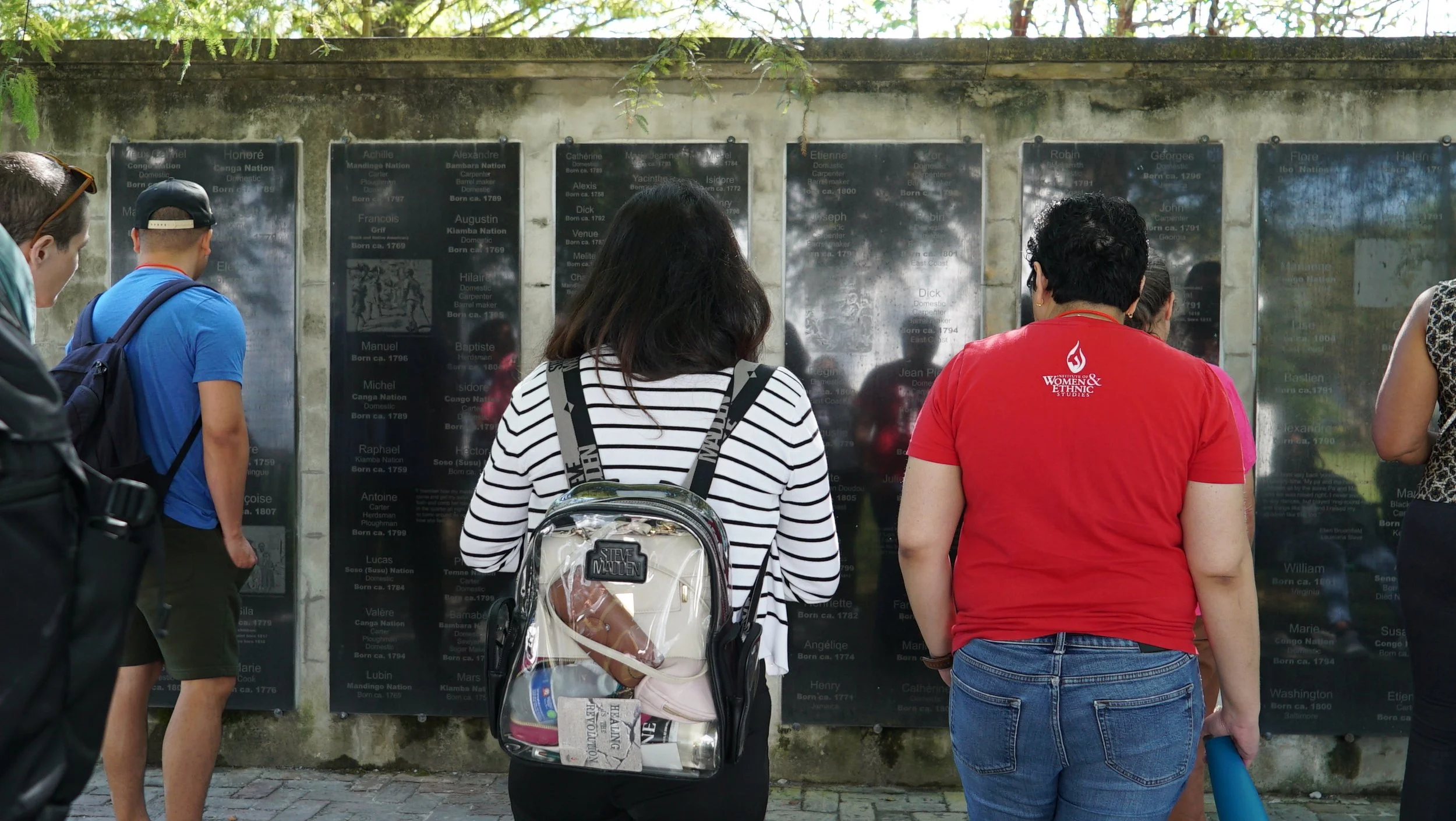
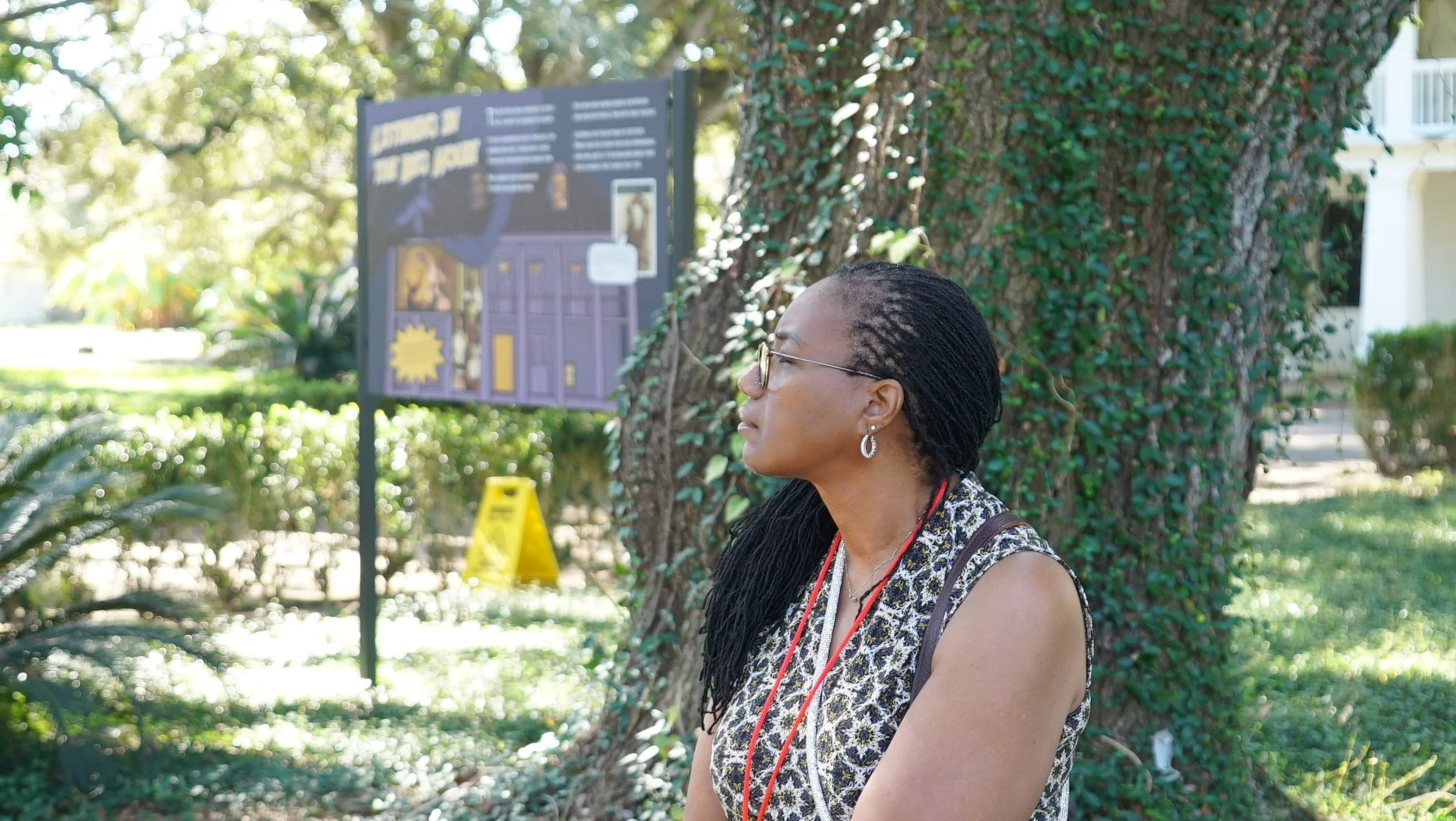
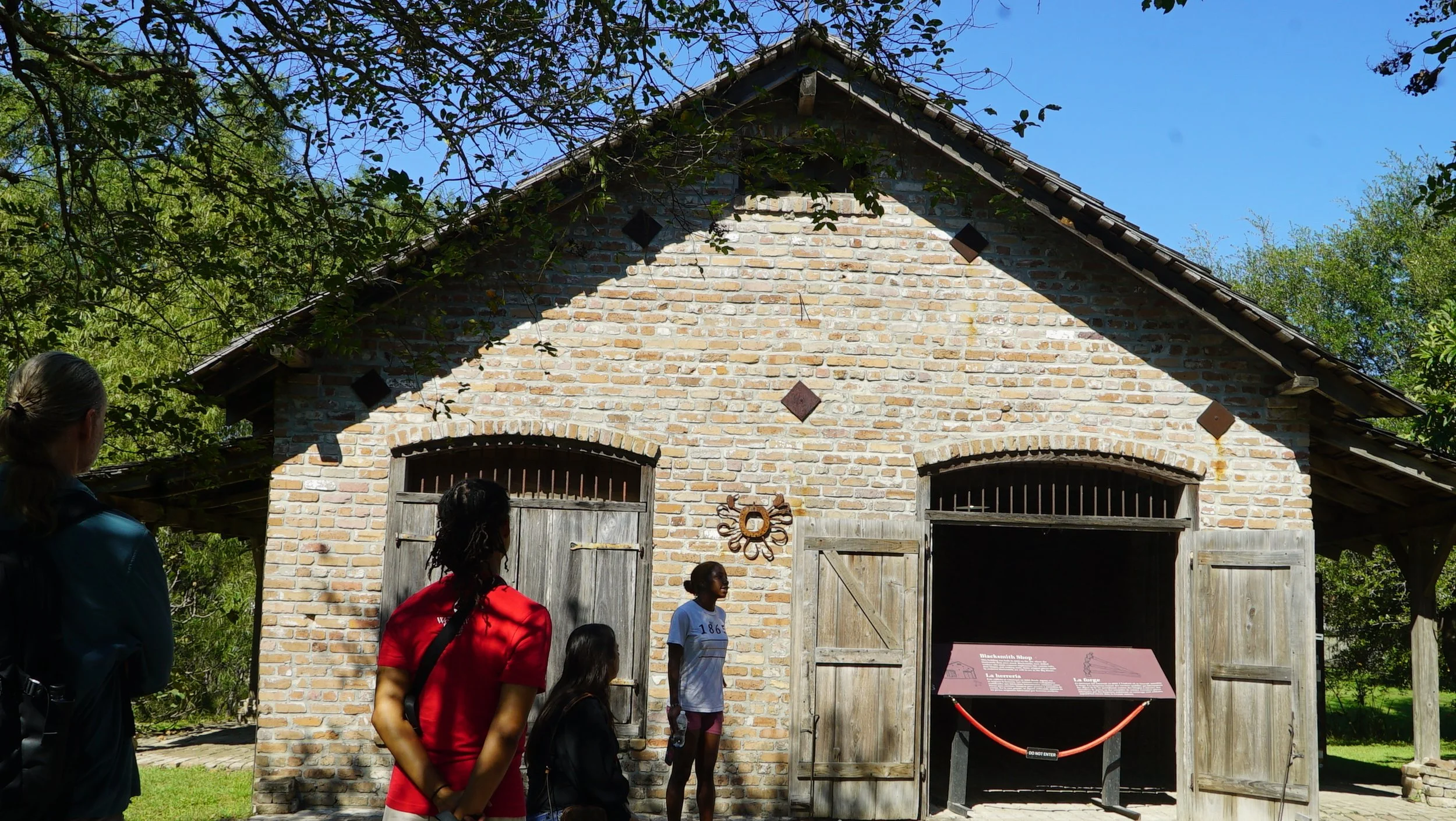
Our goal was to provide a variety of activities that supported and complemented the work each site was doing, especially since this iteration of the grant has unfortunately come to an end, but also gave space for true connection with each other and with the City of New Orleans. We think we accomplished just that! Since the convening, we’ve received really encouraging messages from attendees describing the convening as "healing in action" and "intentional, intense, and yet restorative all at once." Their feedback means a lot to us because it reflected exactly what we had hoped to accomplish. We wanted people to leave feeling connected, heard, and reminded of why this work matters.
Building on BETA: What's Next?
Over the past two years, our partners have shown us that building trust takes time. They have also shown us that plans do not always unfold as expected, and that communities need a real say in decisions that affect them. These lessons have helped shape BETA's framework of existential justice, which focuses on both repairing harm and addressing the conditions that cause it. Healing, organizing, storytelling, and history have been central to how we've approached this work, and they'll continue to guide us moving forward.
We're now building on that foundation through BETA 2.0, which will focus on community power building, collective healing, and disaster preparedness, response, and recovery in New Orleans. More than 20 years after Hurricane Katrina, we know recovery involves more than rebuilding homes and infrastructure. It also means rebuilding trust, strengthening relationships, and ensuring residents have a voice in community decisions.
Through BETA 2.0 we will convene a cohort of Climate Justice Fellows to dive deep into what it means to live between disasters through a period of co-learning, exploration, and discovery, in order to design and publicly share a disaster response and recovery model. Fellows will be guided by a Wisdom Council of elders and have monthly space to learn, interact, and grow their leadership and communications skills in spaces that welcome them to share experiences, learn from one another, and identify ways to make disaster recovery more responsive to community needs. We're especially interested in looking at this “in between” space, when there's an opportunity to address past harms, build relationships, and prepare for what's ahead.
As we close this chapter of BETA, one thing stands: some of the most important progress happens in ways that aren't easily captured in a report. It happens when people connect, share experiences, and see new possibilities in their communities. Our goal has always been to create a better world for the next generation, and now BETA 2.0 gives us an opportunity to build on what we've learned and continue that work, this time with a focus closer to home.
To learn more about BETA and our emerging work, email us at info@iwesnola.org