Connect, Create, Lead, & Thrive; Building Resilience & Healing for Young People through the Arts
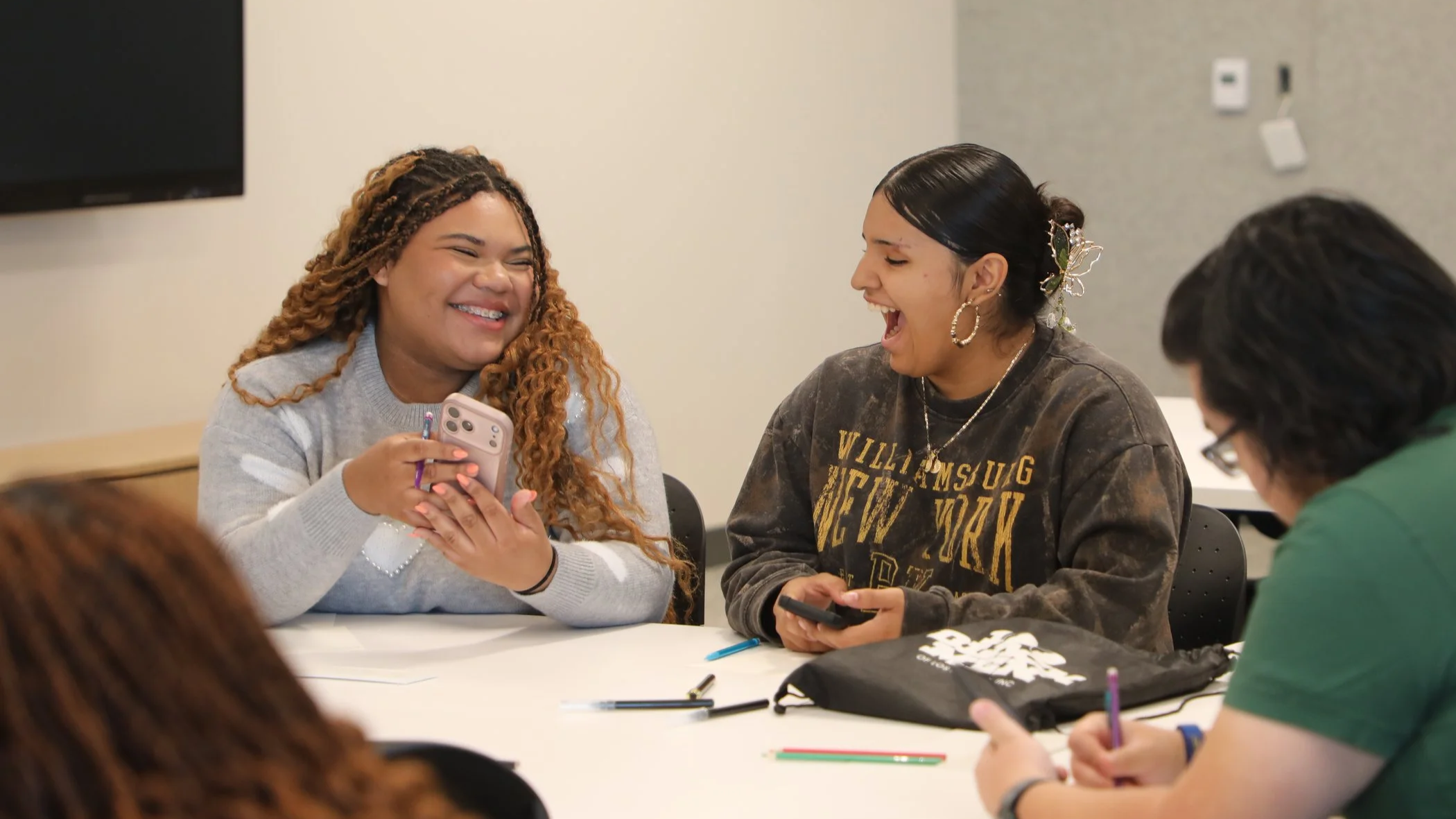
Young people today carry more than any generation should. This year our Resilience Wellbeing & Mental Health (RWMH) department set out to help them (re)discover the power they have to heal themselves and those around them.
The need is urgent. In 2025, the World Health Organization reported that one in seven adolescents aged 10 to 19 experienced a mental disorder. Depression, anxiety, and behavioral disorders are among the leading causes of illness and disability in this age group. Suicide is the third leading cause of death among 15 to 29 year olds. And by age 25, more than half of young people are affected by mental health issues. That is why this year we developed an Arts as Medicine mental health framework grounded in the cultural arts and a social justice lens which is aimed at building leadership, resiliency, and wellbeing in BIPOC adolescents. From this framework, we created a workshop series built on participatory learning. In this series, young people actively do and share, building confidence in their ability to shape their own inner development. They also learn to witness and hold on to one another’s stress and suffering, becoming agents of healing.
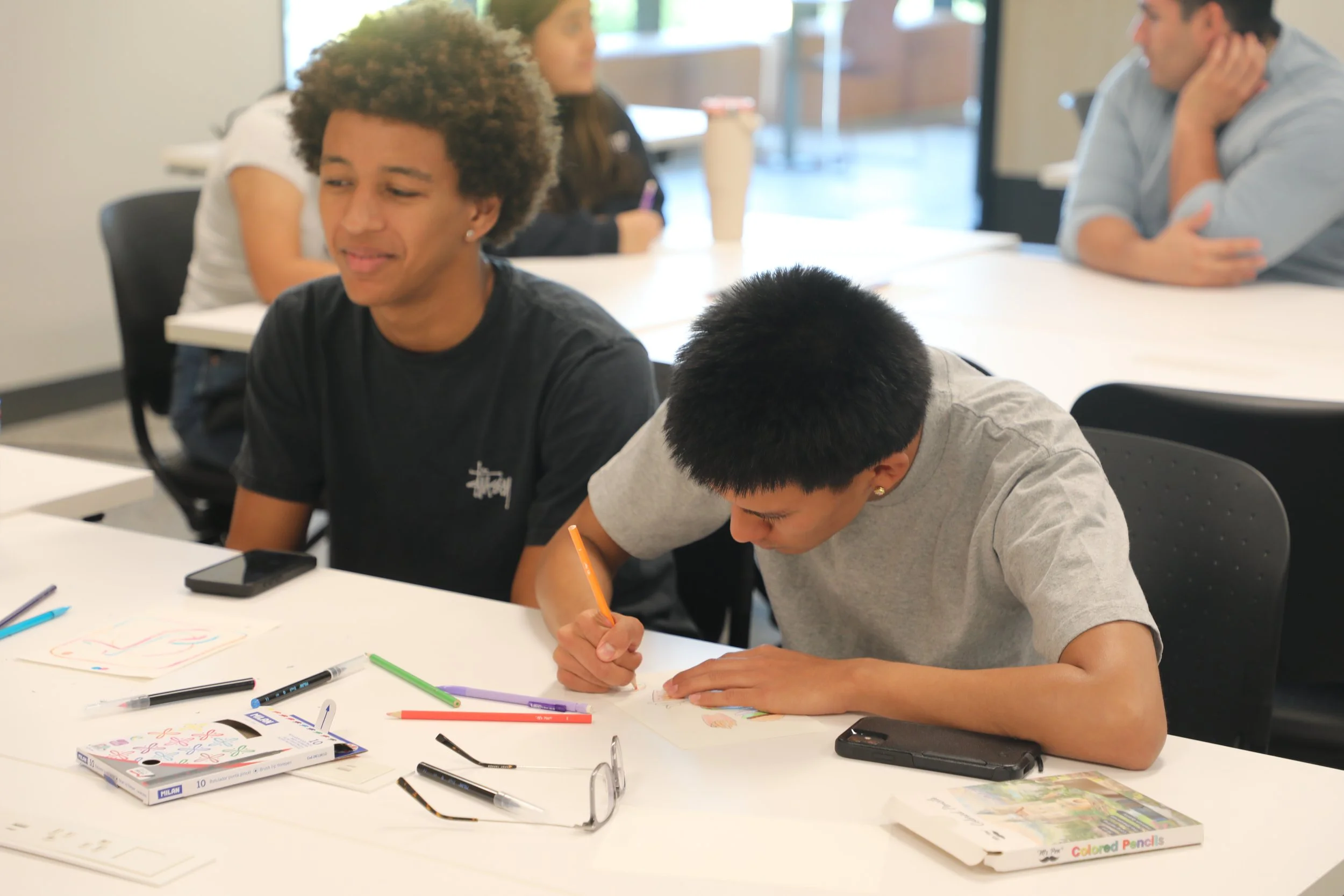
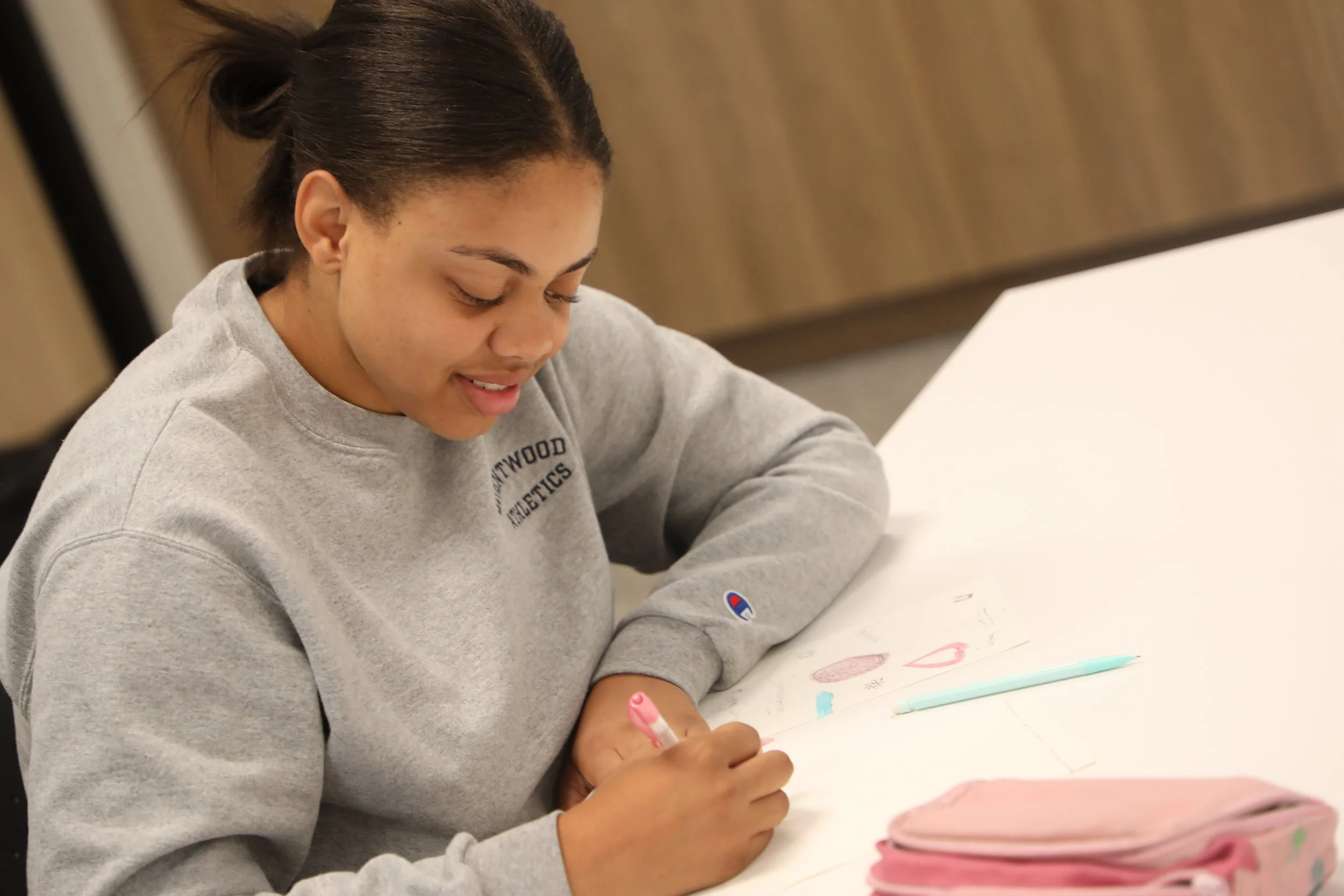
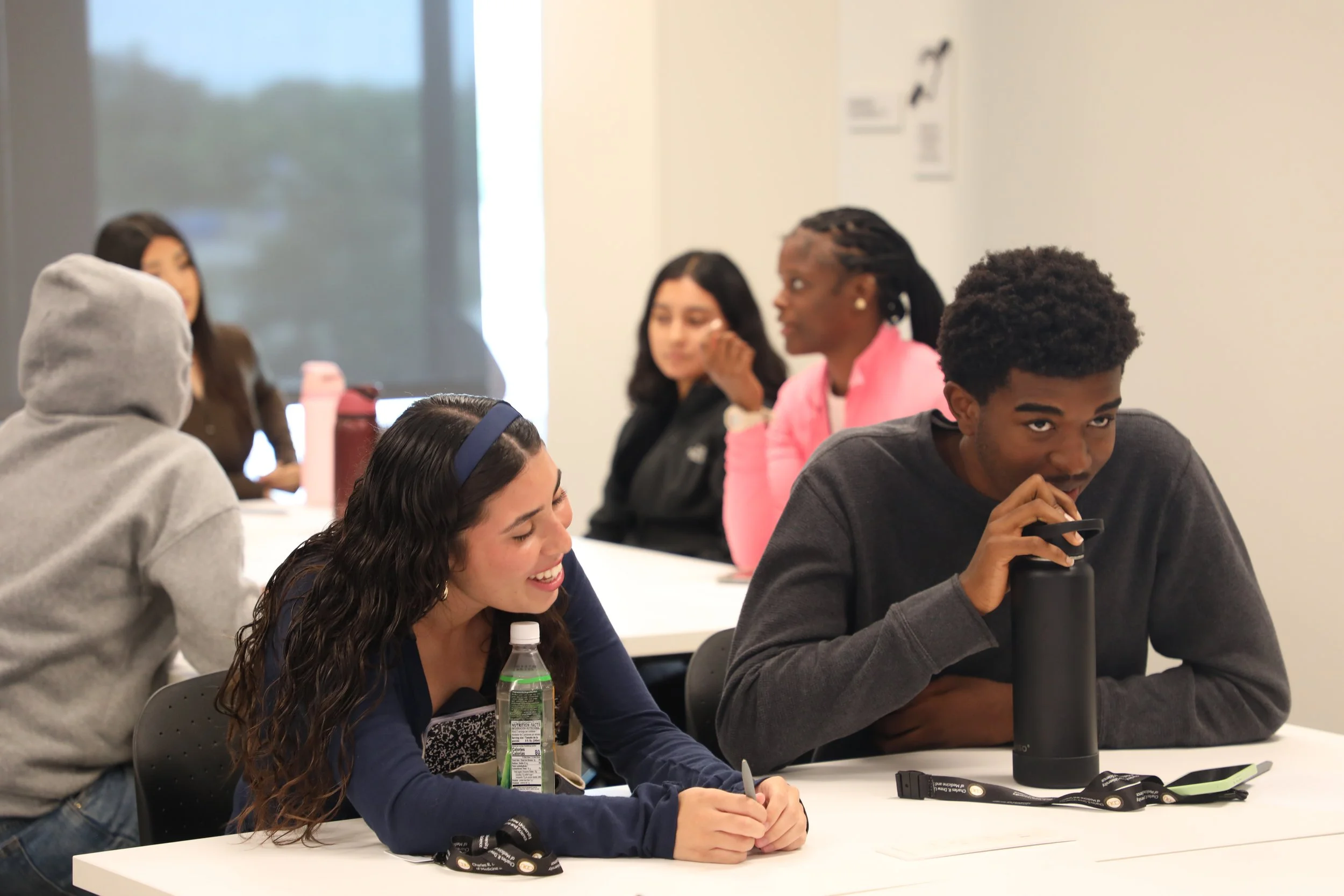
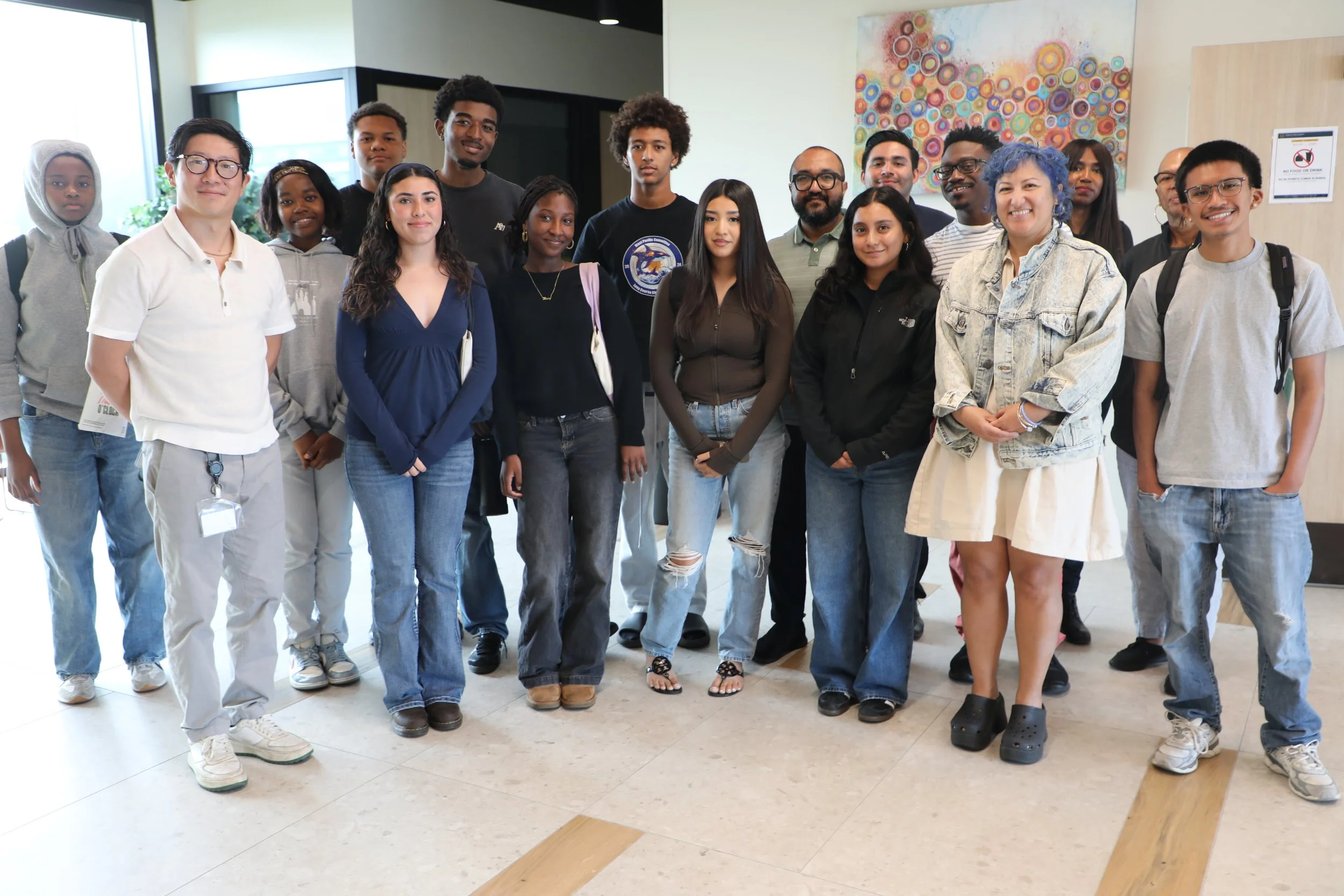
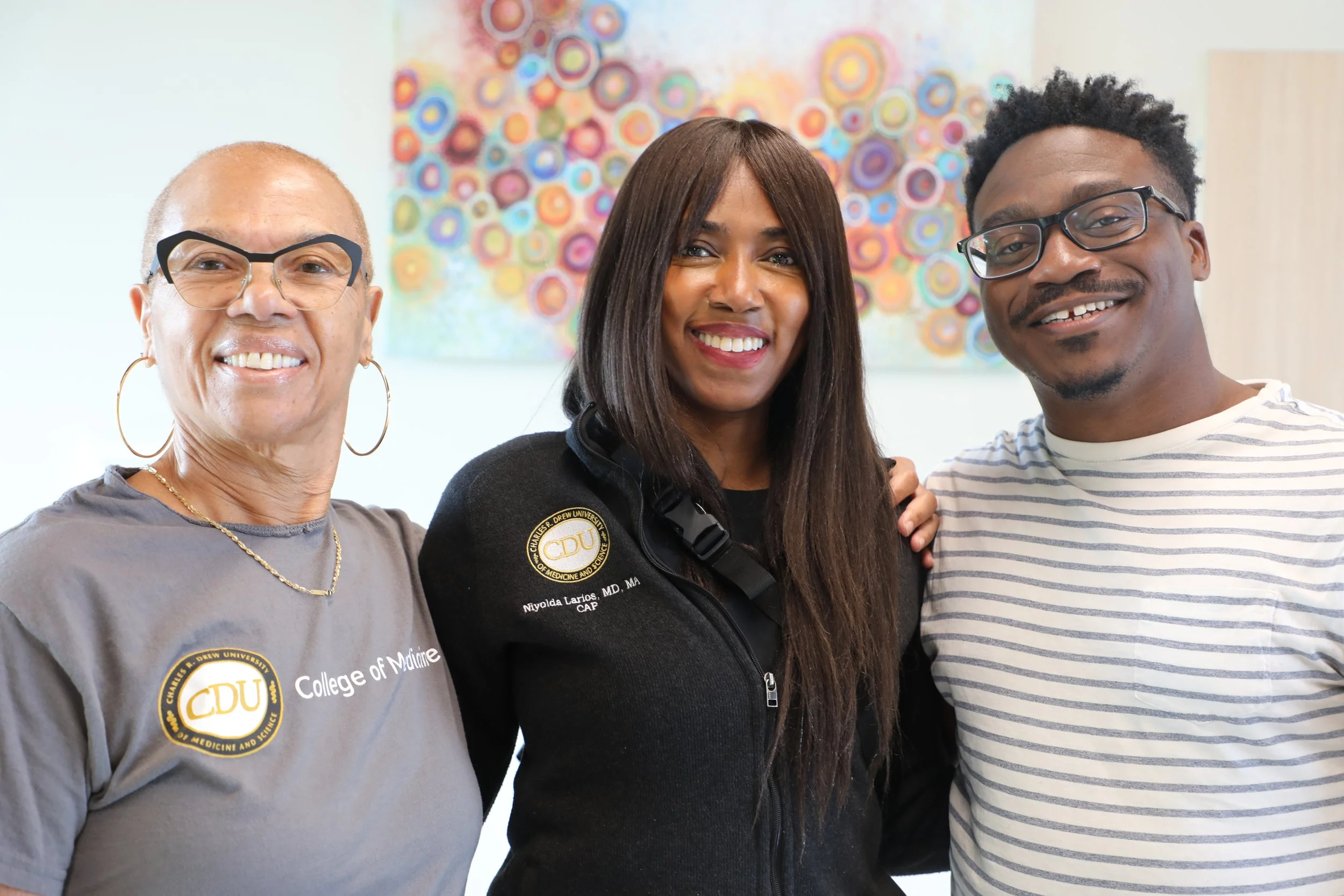
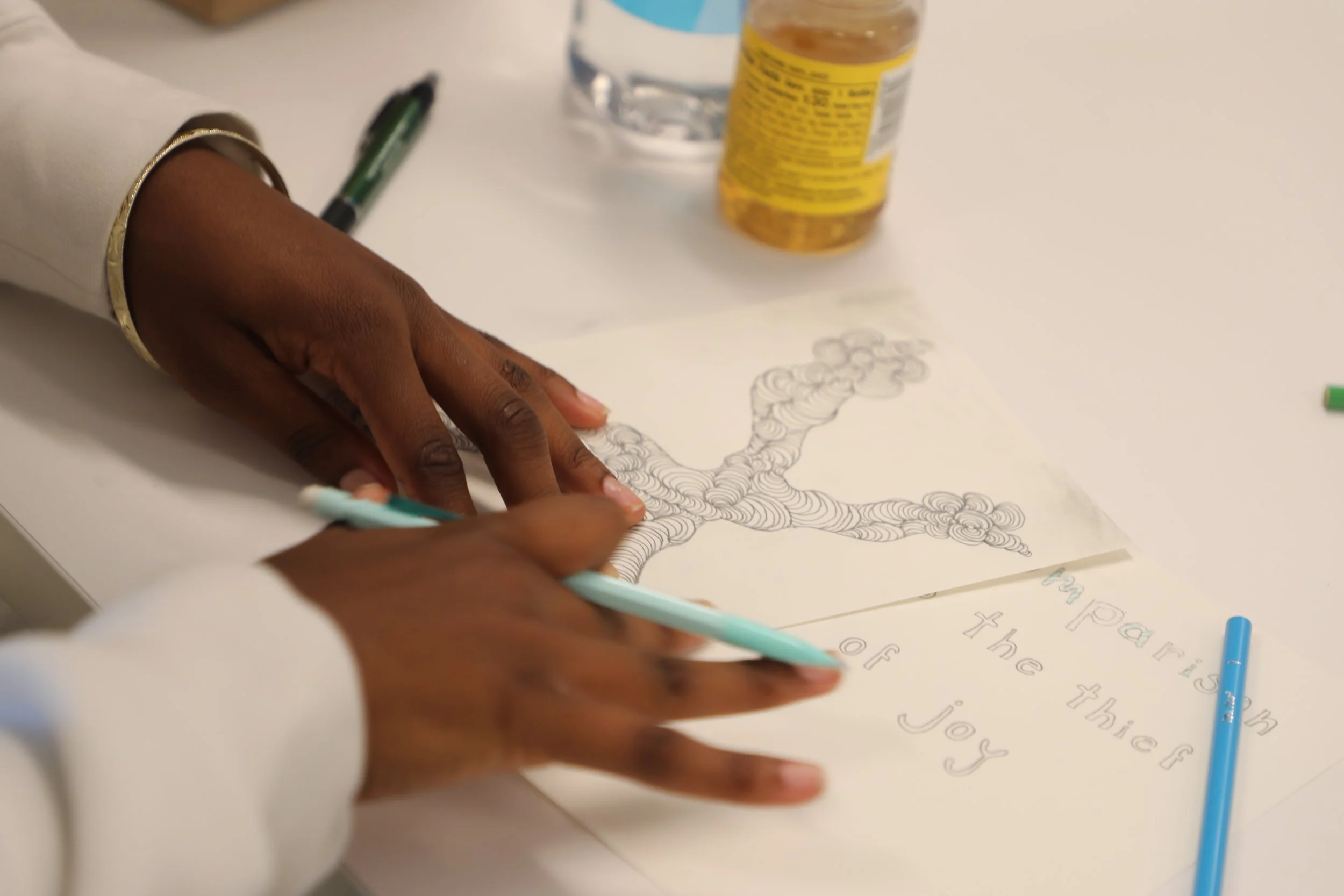
This fall, we have brought these lessons to life through a partnership with Charles R. Drew University of Medicine and Science in Los Angeles. The university carries a deep legacy; it is named after the brilliant African American physician known for pioneering blood preservation and establishing blood banks. In October and November, we were on campus to facilitate a Saturday series with their Pathways to Health Careers Academy. This introduces students to medicine, public health, mental and behavioral health, and research while building leadership skills and advancing health equity. During each lesson, students engaged in the arts through various activities, including drawing, photography, and drumming. We also included a film from the IWES vaults, Evergreen, a narrative feature length film created by our Sr. Director of Media & Communications, Iman Shervington, that premiered at the 2022 New Orleans Film Festival. We discussed the main characters and the complex challenges they sought to overcome their trauma and mental distress. Together, we explored the impacts of stress, sources of crisis and trauma, how the brain and nervous system function, coping skills, common mental health challenges faced by young people, building resilience, and community advocacy.
Why Art Heals
So why art? Why are we focusing on this now with so many other ways to engage youth in conversations about mental health and wellbeing? You may already anecdotally understand that art has the potential to alter your mood, make you feel relaxed, and provide inspiration and hope, but there’s also science to back up what you perceive when you engage with art. Art changes both the brain and the body, offering a safe way to process emotions that words cannot always reach. For example, creating art for just 45 minutes can significantly lower cortisol, the body’s primary stress hormone. Trauma affects the brain parts that make speaking difficult, but drawing, painting, or sculpting gives fear, loss, and anger a physical shape. Creation also activates the prefrontal cortex and cerebellum, which govern attention, memory, and decision-making, and it can lower blood pressure and ease chronic pain or illness. Finally, art connects us to our inner world, to artists, and to a wider community.
Try It at Home
If you don’t consider yourself an artist, you can explore Arts as Medicine for yourself; no special skills are required. Here are three simple options to get started:
Safe Place Drawing. Imagine a place that feels calm and comfortable. It can be real or imagined. Use pens, pencils, or markers to draw or paint your safe place. Focus on texture, color, and lighting.
Collage Making. Grab scissors and glue and use images and words from magazines and newspapers to reflect on your identity or explore your emotions. You can also do this digitally with tools like Canva or Adobe Photoshop.
Photography Walk. Take your smartphone for a walk in nature where you feel safe. Use the camera feature to capture what catches your eye, then reflect on the emotions those images stir.
If while engaging in any of these activities you begin to feel flooded with emotions, overwhelmed, or notice intense memories or physical reactions, please pause and seek professional guidance. A trauma-informed counselor or art therapist can help you understand what you are experiencing and explore ways to cope. If you urgently need emotional support, the 988 national mental health hotline is there for you. Whether you're facing mental health struggles, emotional distress, alcohol or drug use concerns, or just need someone to talk to, call or text 988 to connect with a caring counselor.
As we reflect on this year, we are inspired by the creativity, courage, and resilience of the young people we have had the privilege to work alongside. Looking ahead, we are excited to deepen our partnerships, expand our Arts as Medicine framework, and create more opportunities for young people to connect, create, lead, and thrive.
Finally, one thing you may have noticed in our opening paragraph was that we spoke about our Resilience, Wellbeing, & Mental Health department. You may be used to us talking about this work under our Collective for Healthy Communities (CHC) division, the previous umbrella for all of our mental health, resilience, and post-disaster work. This year our organization has been through a lot of changes and adjustments to meet the realities of the moment for non-profits and to address real community needs. We’ve taken the time to reflect and assess our organizational structure, our focal areas, and how we work and integrate as a team, allowing ourselves to recalibrate. Through that self-analysis we saw how much of a through line resilience, wellbeing, & mental health is to all of the work we do, from conceptualization to execution of programming to evaluation, so we decided to elevate what was previously a division to a full organization-wide department and choose a new name that would make it clearer to understand what are focus is and what expertise we carry. But we’re not straying from the original mission of CHC to provide community-level healing and interventions that promote well-being and resilience using a socio-ecological approach (focusing on the individual, interpersonal, community, and societal levels). We will continue to work with communities to identify what healing means to them and co-create strategies to achieve their definitions of healing. Together, we look forward to a new year filled with possibility, collective healing, and renewed hope.