Finding Equanimity through Authenticity
2026 has been a unique year for our COMMS department. At a time when the core essence of what our organization stands for is under attack, how do we communicate from a place rooted in our values and beliefs while maintaining the safety of our staff and protecting our recognition and reputation? When an organization’s relevance and reach is often determined by ever-changing algorithms and trends, how do we cut through the noise without forcing our “brand” to jump on the bandwagon each week? When our funding is being cut and less opportunities arise, how do we operate with a limited capacity yet at a time that calls for increased responsibility? Those are just a few of the questions we had to ponder this year, but at the end of the day the answer always came back to one word: authenticity. We tell authentic stories. We show our authentic selves. We align with partners who are authentically rooted in their truth. This desire to authentically share narratives brought us to two major media projects this year rooted in radical storytelling: a new season of our Healing is the Revolution podcast, “The In Between”; and a new documentary film, Tallawah.
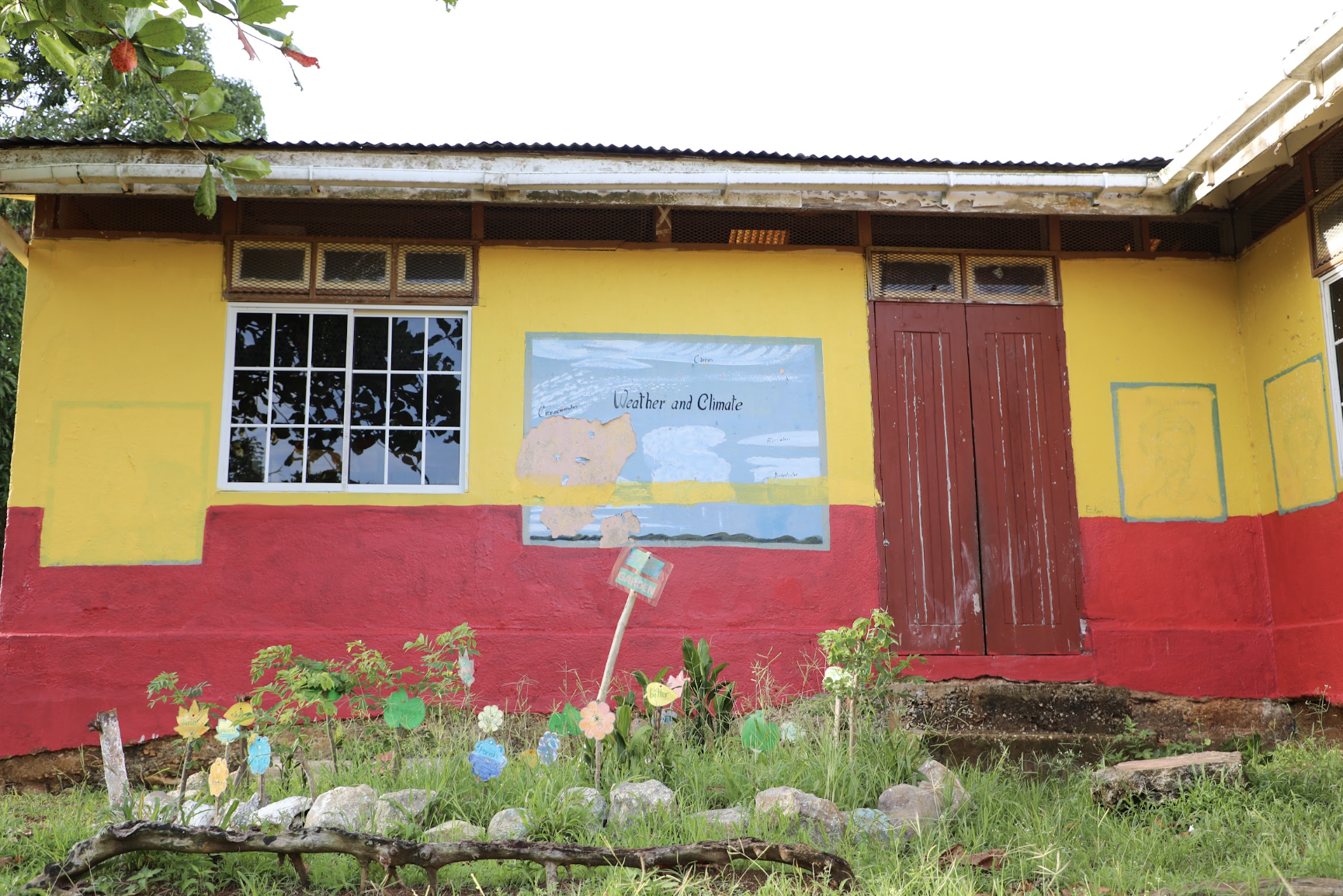
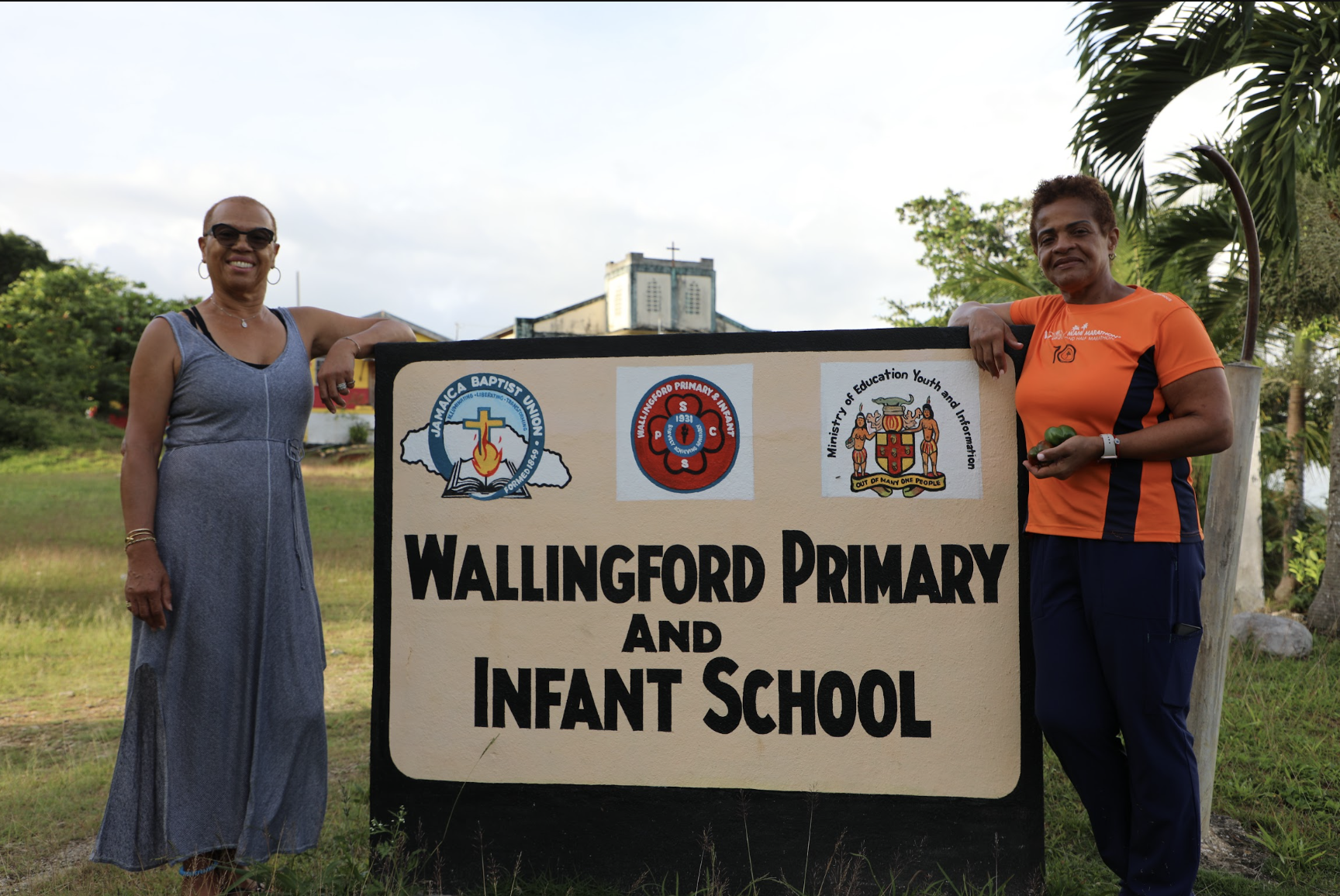
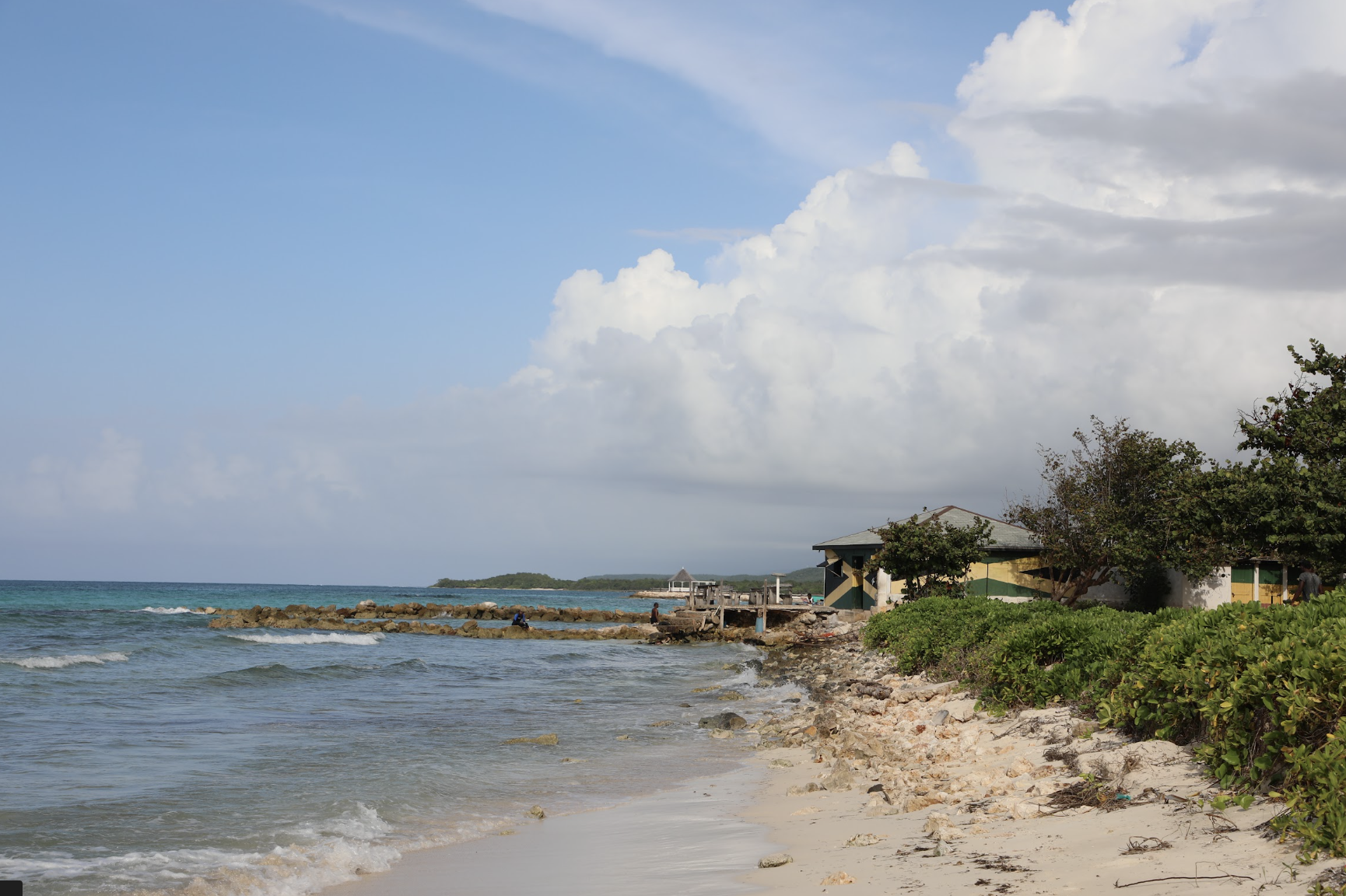
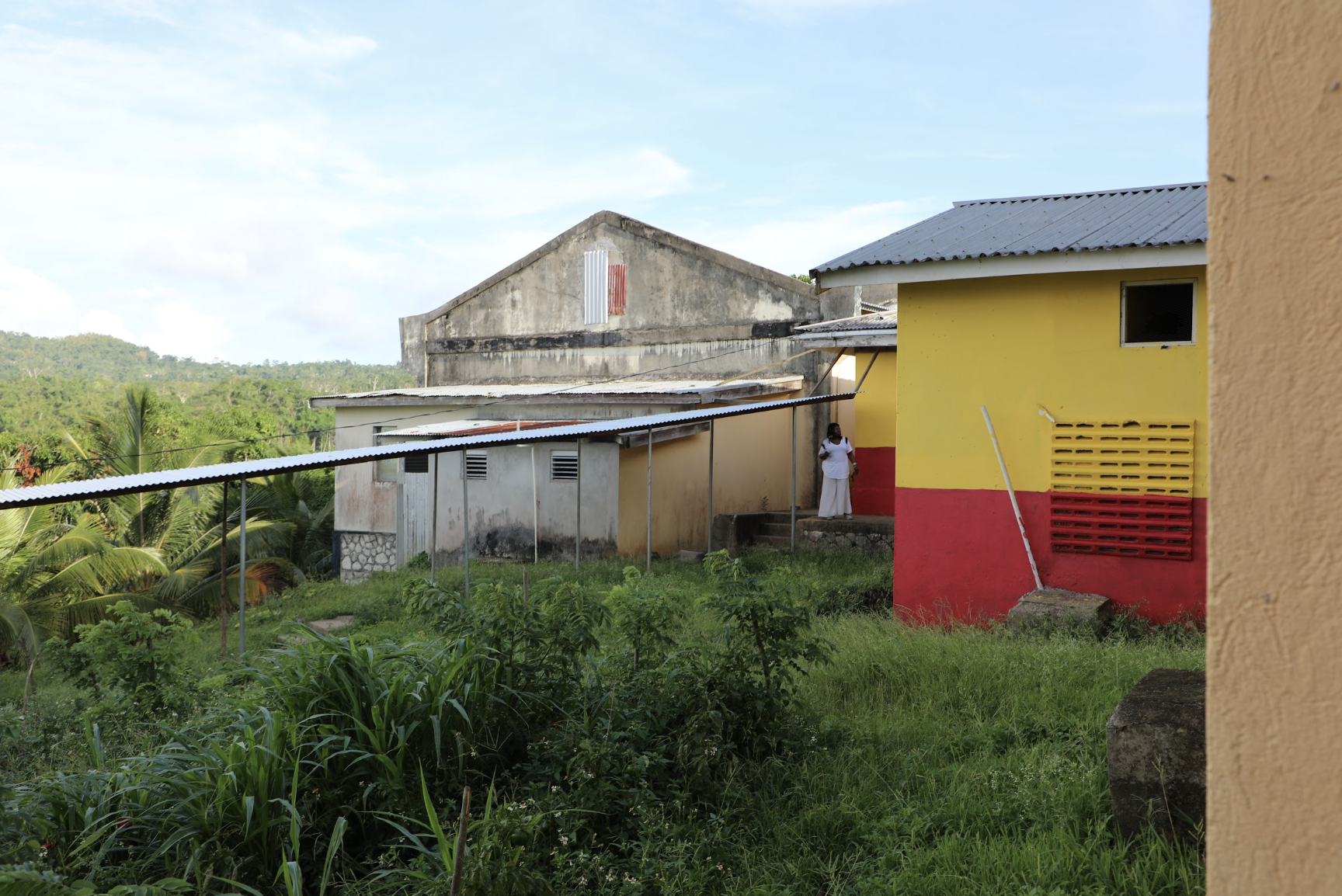
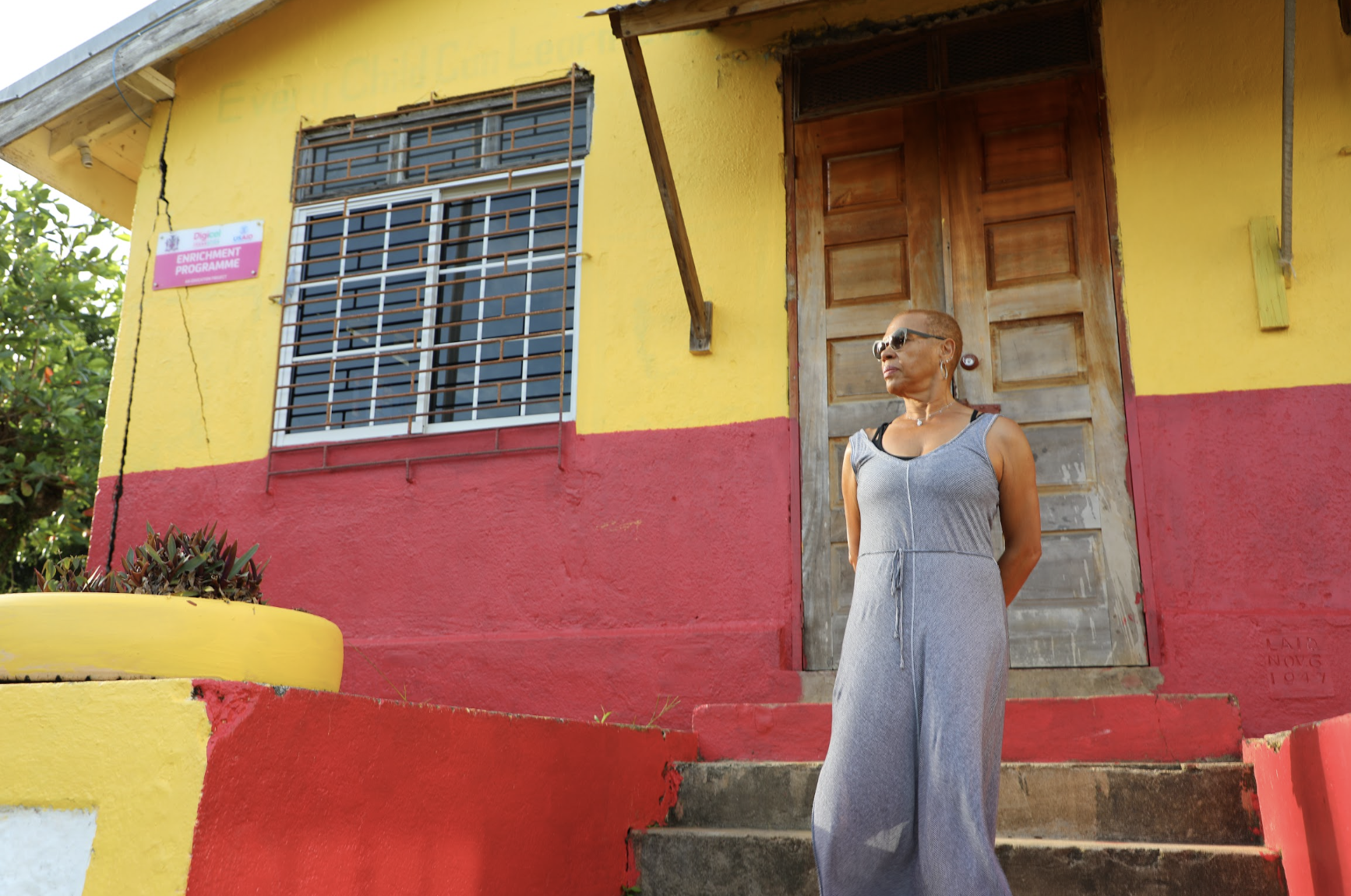
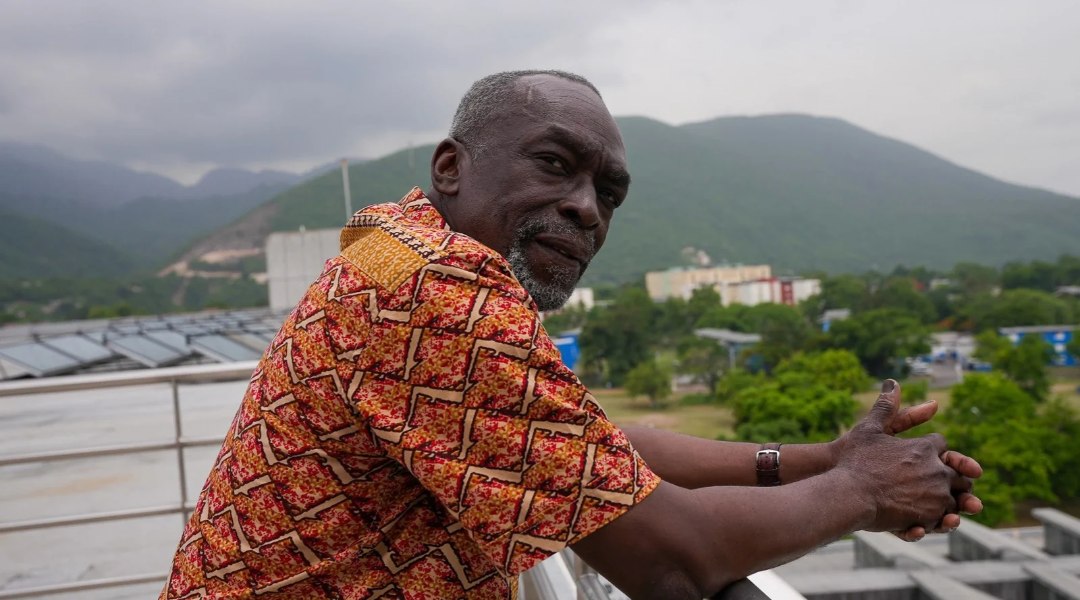
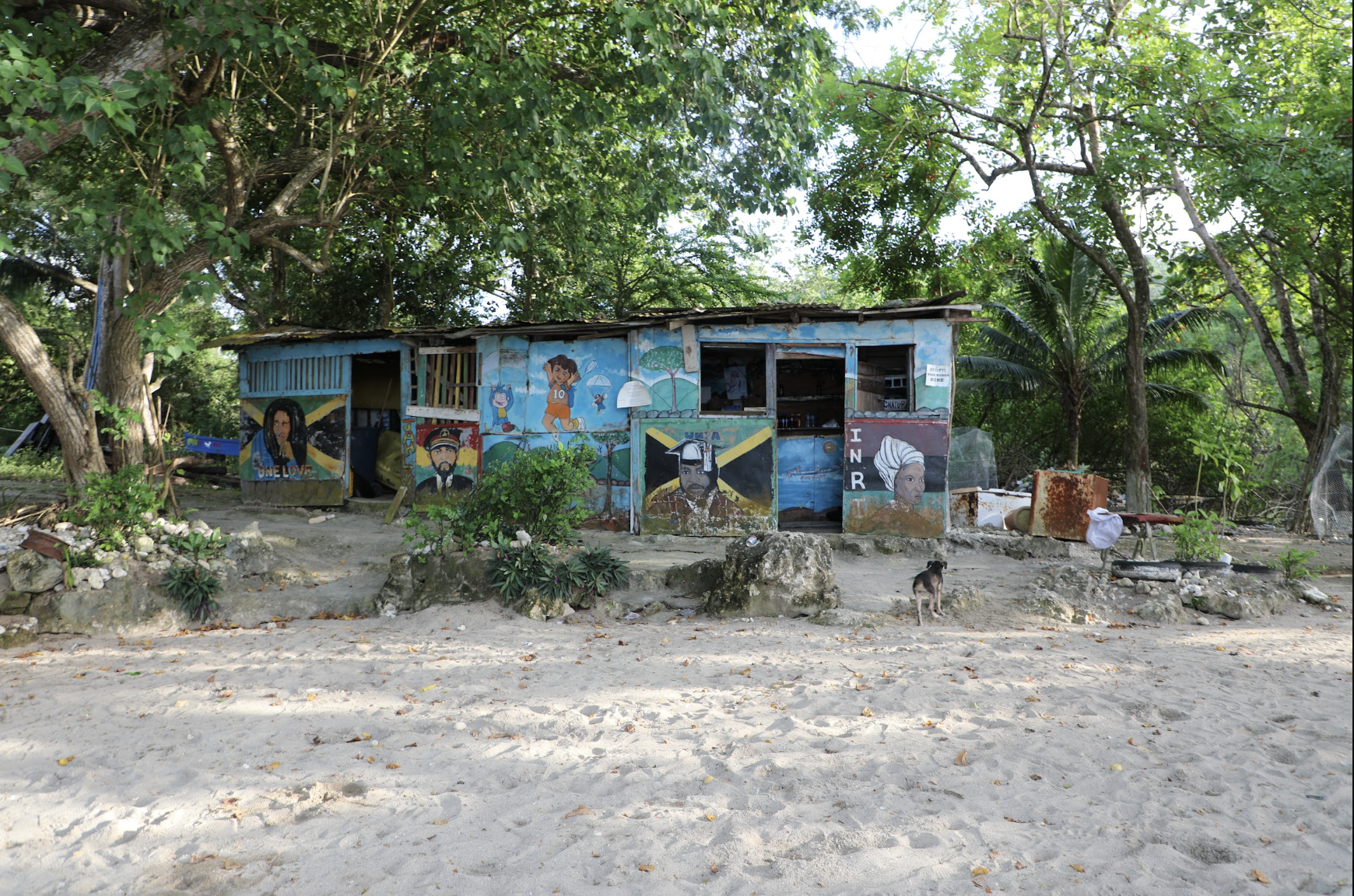
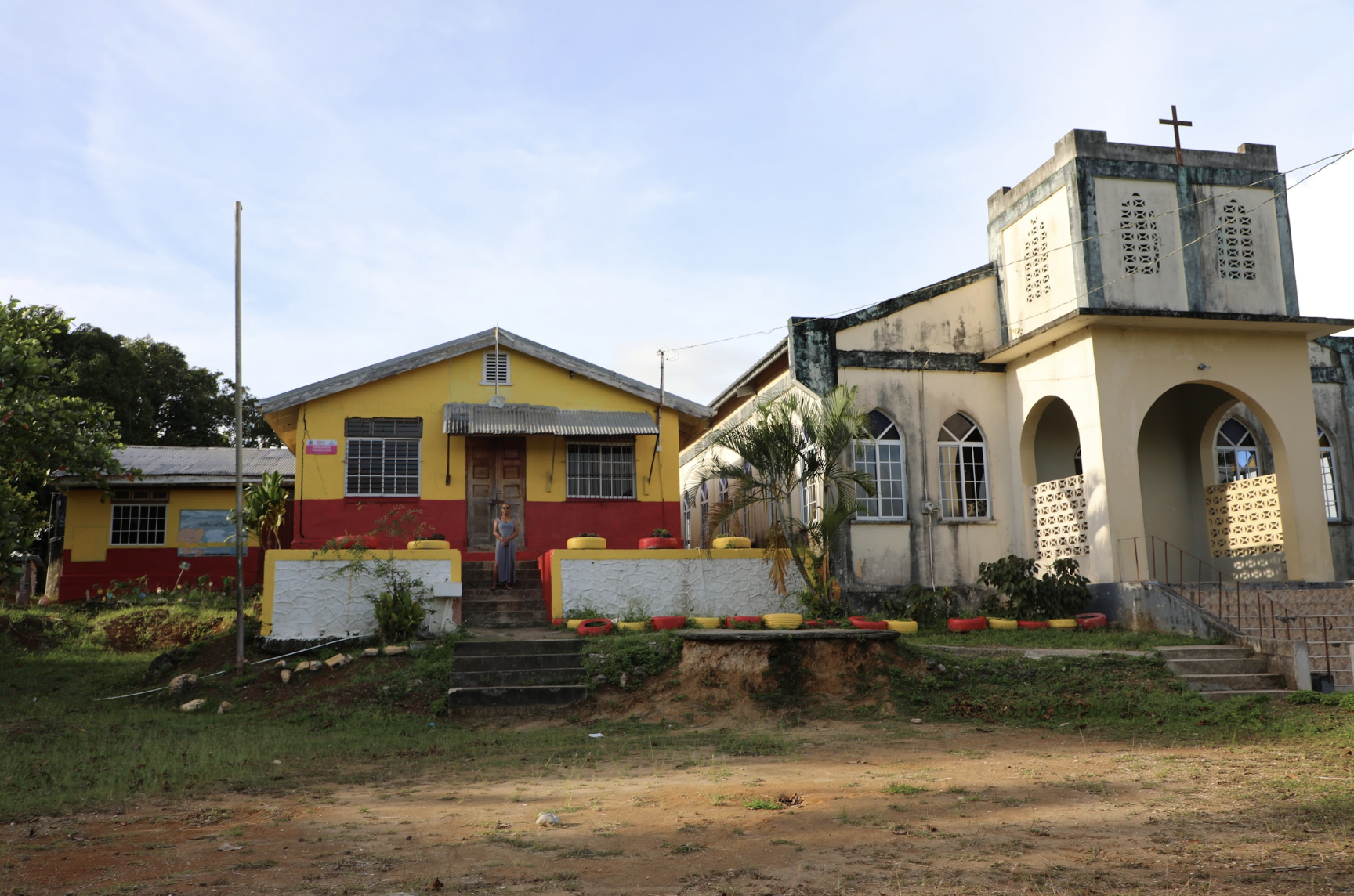
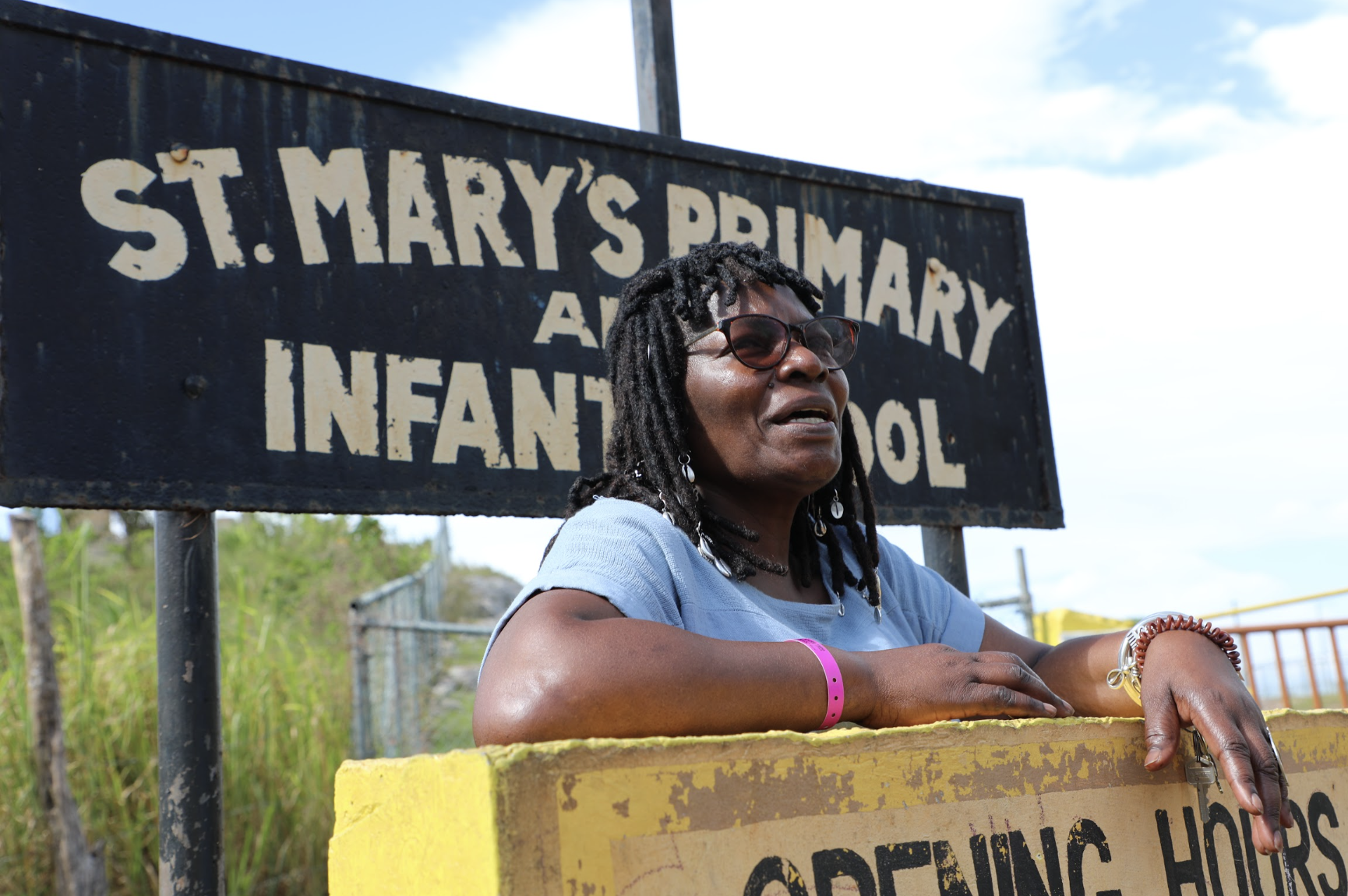
Last year while we were commemorating the 20th anniversary of Hurricane Katrina our Sr. Director of Media & Communications, Iman Shervington, recorded interviews with an array of leaders that played important roles in New Orleans’ post-Katrina recovery efforts in order to create a new season of the Healing is the Revolution podcast. With so many other entities commemorating the 20 years, we knew we would not release the podcast in 2025, but in all honesty we didn’t know exactly when and what we would specifically connect it to in 2026. Yet soon after Hurricane Melissa devastated Jamaica, we understood very clearly what the higher purpose of this work was and saw what we needed to do to honor both of these pivotal moments. If you’ve followed IWES since last October you will have likely heard about our Rise Up, Jamaica campaign we created to respond to the mental health and emotional wellbeing needs in Jamaica following Hurricane Melissa. Through this work our staff led sessions with healthcare workers, educators, and other first responders in Jamaica on topics vital to a human-based recovery. Throughout these virtual and in person sessions, we began to hear the harrowing stories of survival and resilience from attendees, thus highlighting not only the difficult moments, but also the beauty of humanity as people acted selflessly to save and assist their loved ones, and oftentimes strangers. Thanks to a connection with a doctor from Falmouth Hospital that attended one of our in-person psychosocial sessions, Dr. Jazzmine Robinson, we decided to collect some of these stories and put them in dialogue with the wisdom shared and lessons learned from the leaders that survived Hurricane Katrina 20 years prior.
The ensuing podcast, “The In Between,” is a conversation between two distinct yet culturally very connected places due to their rich histories steeped in the culture and resistance of the African diaspora — New Orleans and Jamaica — two disparate time periods and distances from the disaster — 2005 and 2025, and 20 years and 8 months — and two uniquely devastating hurricanes — Katrina and Melissa. It explores what it means to live between the cycle of climate-based disasters by going in between conversations with community, non-profit, and government leaders in New Orleans and conversations with first responders and healthcare workers in Jamaica. Their experiences, reflections, warnings, and survival stories are put in dialogue with one another to think through what is needed to adapt to our current reality as individuals, as communities, and as a global society. We released the podcast on October 28th, 2026, the 1-year anniversary of the day Hurricane Melissa made landfall in Jamaica, and we’re continuing to release all nine episodes weekly through the end of this year.
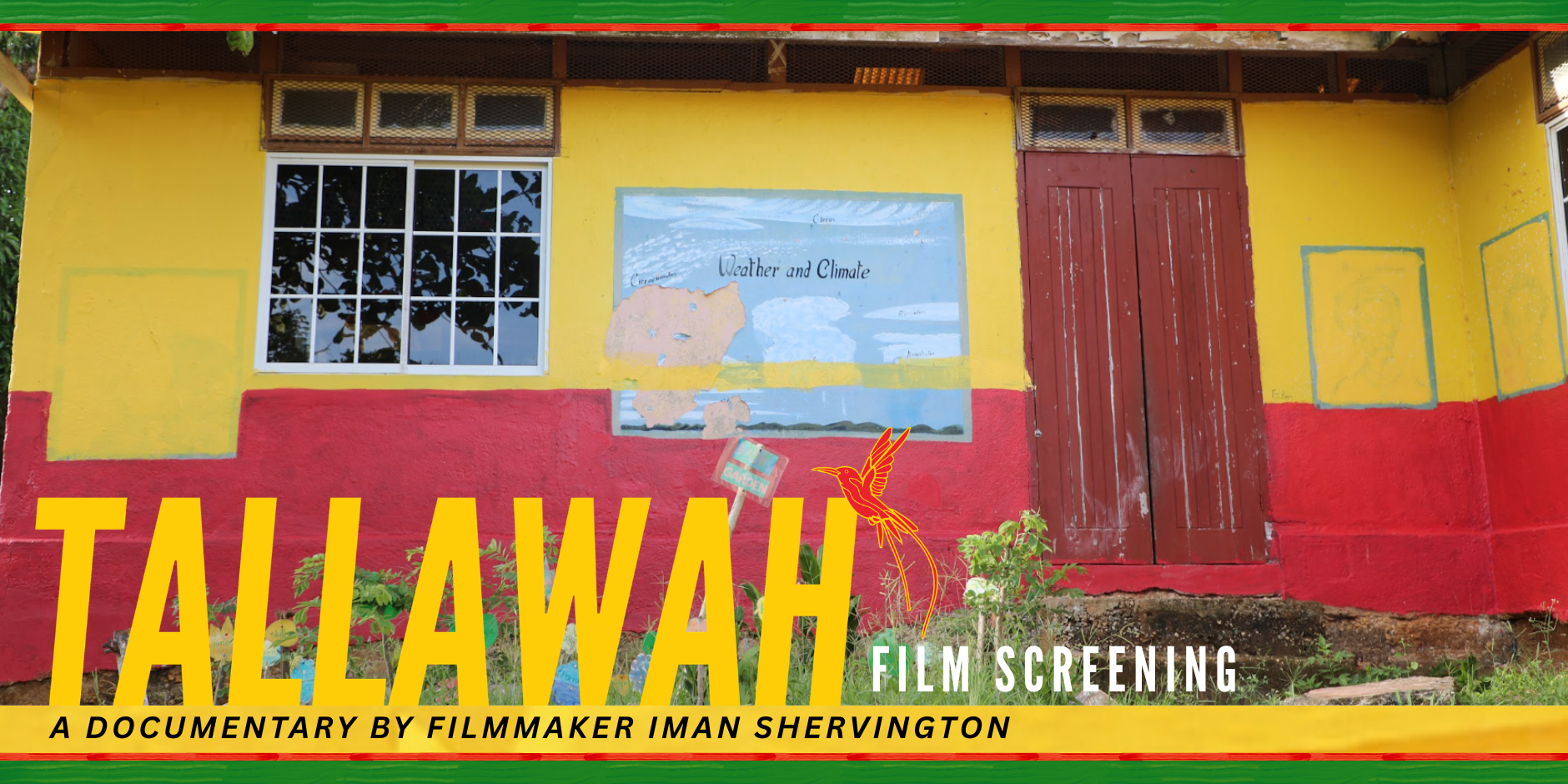
Our second major media piece is another project steeped in story and history that also took on a new life following the landfall of Hurricane Melissa. Tallawah began as a project aiming to interrogate, problematize, and deeply understand not only the impact of migration on a relatively small island such as Jamaica, but also why Jamaica’s cultural relevancy and potency is as strong as it is around the world. Tallawah is another project headed by Iman Shervington, and while she was on a brief break from the filming she began independently in 2024 (after Hurricane Beryl) exploring these topics through interviews and footage filmed with her mother and IWES’ Founder, Jamaican American psychiatrist Dr. Denese Shervington, and her friend, Jamaican British writer and psychotherapist Yvonne Bailey-Smith, Hurricane Melissa hit Jamaica and reinvigorated the need to tell authentic Jamaican stories.
Once again inspired by the work of our Rise Up, Jamaica campaign, Iman began to record further interviews to elucidate the experience of being a Jamaican migrant in US and UK contexts. At a time when books are being banned, censorship is high, and people are highly discouraged from telling their truths for fear of retaliation and harassment, it is more important than ever to capture oral histories detailing what our foremothers, forefathers, and ancestors went through to create a better future for our current generation and those to come, as well as what we are living through today. From a centenarian that changed her whole family’s trajectory by moving from Jamaica to the United Kingdom in 1952 at the age of 26 — Mrs. Ilene Rowe — to an anthropologist that reminds us that while we may think we are free, alas, free we are not — Moji Anderson — Tallawah examines the strengths, challenges, and areas of growth Jamaican society and identity face, whether due to migration, cultural (and colonial) legacies, or the impacts of the current climate. Climate is literally and figuratively addressed, as the film addresses the topic through firsthand testimony during the storm, interviews reflecting on its impact, footage of recovery efforts, and excerpts from the previously mentioned interviews conducted with medical staff at Falmouth Hospital that are also featured in “The In Between.” Accentuated by the unique and moving compositions of Jamaican-American pianist and composer, Courtney Bryan (who was born and raised in New Orleans, as well!), the film utilizes first-person interviews; b-roll captured in Jamaica, the United States, and the United Kingdom; and an array of archival footage to further interrogate the question of what it means to be a Black foreigner in a new land, especially a land steeped in structural racism, dominated by capitalism, corrupted by colonialism, and organized according to classism and colorism.
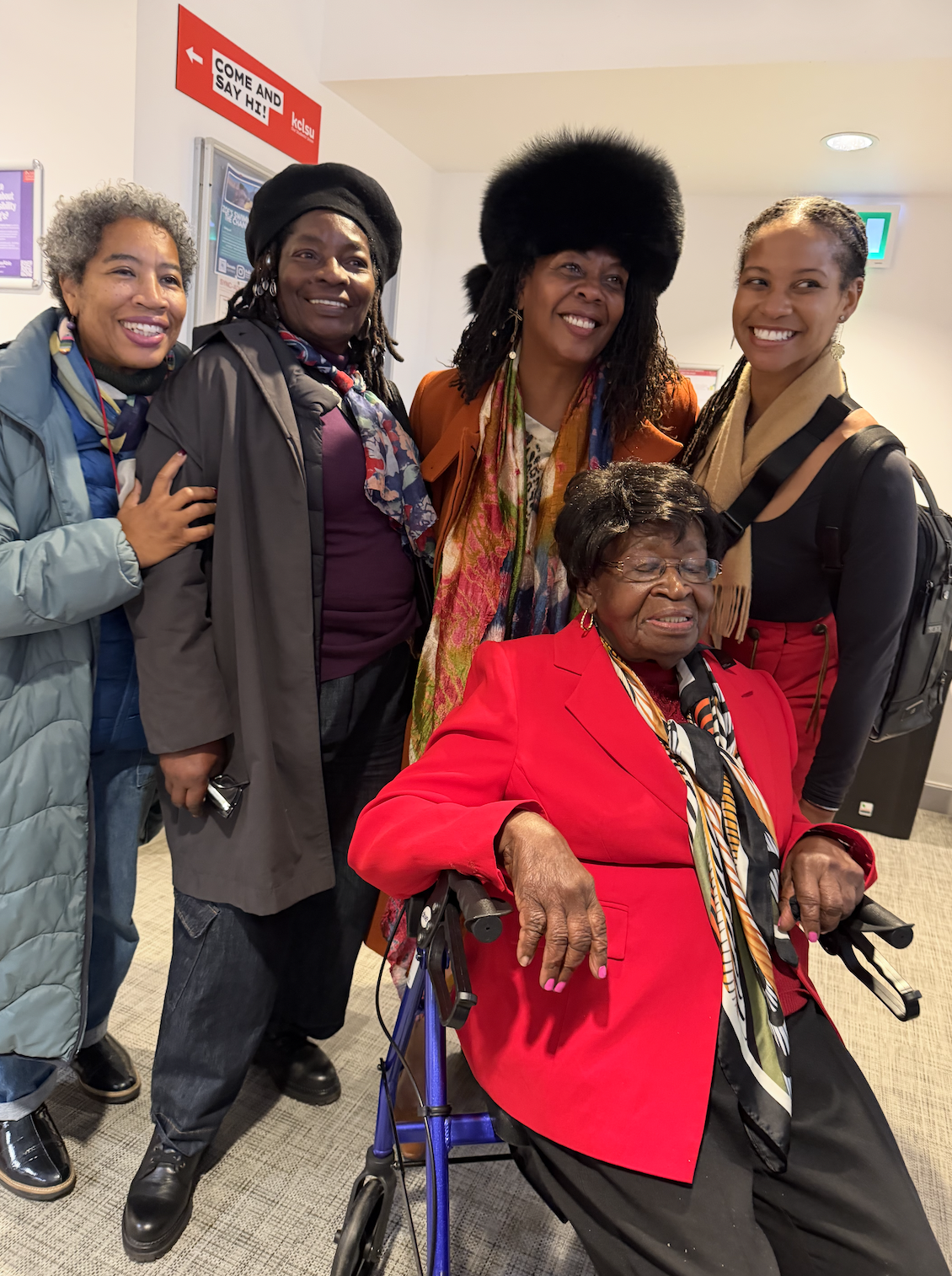
Photo taken at a screening of Tallawah
Similar to the launch of “The In Between,” we chose to premiere Tallawah on the anniversary of Hurricane Melissa — October 28th, 2026 — in collaboration with our partners at King’s College London through our Collective Action for Race Equity in Health & Social Care (CARE-HSC) grant. CARE-HSC aims to improve conditions for minoritized carers (both informal and formal) in the UK and beyond, and filmmaker Iman Shervington, is a co-investigator on the grant with colleagues in the UK and Sweden. The film was screened at the end of the UK’s Black History Month, fitting perfectly within the 2026 theme of Honouring Our Communities, which is “recognizing everyday people, grassroots changemakers, and unseen contributions that sustain Black life across Britain.” The film also aligned with the goals of the CARE-HSC initiative by providing deep context for the experiences of a minoritized group that comprises a large section of the UK care workforce; Jamaican nurses. In fact, multiple interviewees identify this migratory pattern as a key factor that has contributed to the major brain drain and loss of a skilled workforce that Jamaica’s migration story is notorious for. One of the film’s main subjects, Jamaican psychiatrist and retired professor, Dr. Wendel Abel, recounts two key periods that saw the migration of Jamaican nurses to the UK — 1) the Windrush era post-World War II when the workforce was devastated by the war; and 2) the 60s/70s when the National Health Service experienced severe staffing shortages, especially midwives — and even discusses how many eventually came back to Jamaica, and what impact that had.
Iman worked with other CARE-HSC collaborators at King’s College, Helen Welsh and Lucy Ensum, to organize and promote the premiere of the film, which successfully “sold out” the free screening within a couple of weeks and necessitated the creation of a waitlist. Hosted by IWES Board Member and CARE-HSC Principal Investigator, Dr. Stephani Hatch, on Wednesday, October 28, nearly 75 attendees joined Iman and three of the film’s protagonists — Denese Shervington, Ilene Rowe, and Yvonne Bailey-Smith — at the Wolfson Lecture Theatre at King’s College London’s Institute of Psychiatry, Psychology, & Neuroscience to watch the film. Attendees were able to mingle, ask questions, and engage in lively discussions with the filmmaker and stars of the film at a reception following the screening. We were honored to receive feedback that although the film was very unique to the Jamaican migrant experience, the themes of identity, belonging, mental health and wellbeing, and loneliness intersecting with cultural norms, civil rights abuses, and structural racism was actually relevant to folks of a variety of backgrounds that only shared the common thread of migration. Following the success of this screening, Iman is pursuing other opportunities to disseminate and screen the film — especially in Jamaica and the United States — and potentially release a three-part series that allows for more time to delve into the complicated issues the film raises. And as a thank you to those that attended, they will get an opportunity to watch the full film and see the ten minutes they missed, as she will make it available for a limited time especially for them.
In a time of abrupt and drastic external changes, our Communications team has stayed the course by doubling down internally and continuing to focus on narrative change projects steeped in authenticity, curiosity, compassion, and love.
We are excited by the new partnerships and connections we made this year to prioritize and highlight community voice, provide insight into the work we’re doing, translate information that our communities identify as important in order to improve their health and reduce inequities, and create media that sparks change, catalyzes action, and makes people proud to be their authentic selves. We look forward to picking this work back up in the new year as we continue to promote these two new projects and also finally begin to share out other work whose seeds have already been planted, pieces which go deeper into the impacts of climate change on minoritized communities and what folks are doing to address it, community-led resistance and organizing for health equity, and the power of the arts and culture to heal, inspire, and inform.