Collective Action for Race Equity in Health and Social Care (CARE-HSC)
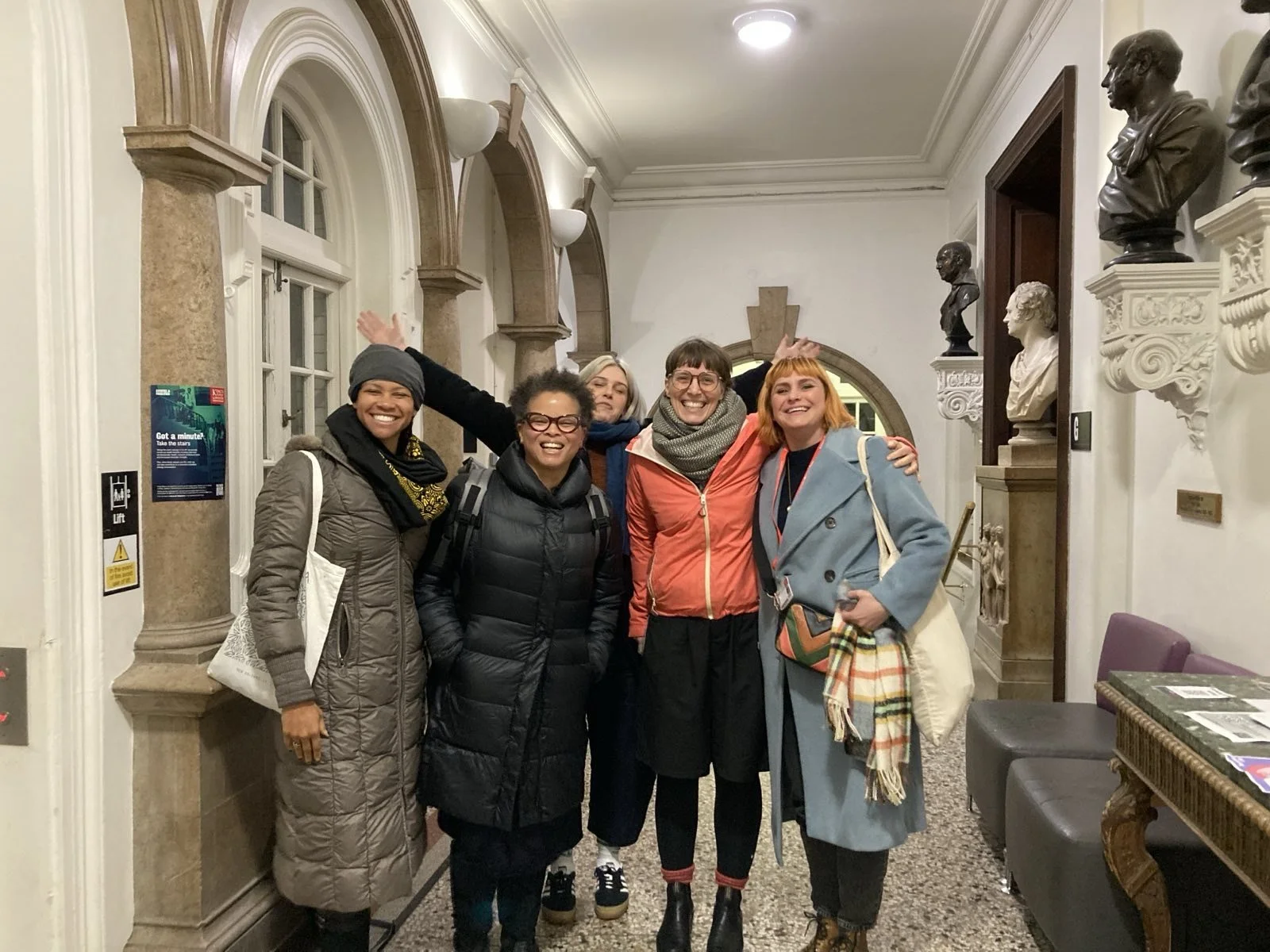
Collective Action for Race Equity in Health and Social Care (CARE-HSC) is a seven year initiative designed to improve health and care systems in the United Kingdom and beyond. CARE-HSC brings together an international team of researchers and health practitioners based out of Kings College London (UK), Black Thrive Global (UK), IWES (USA), and Uppsala University (Sweden) to co-develop practical, replicable solutions that address and dismantle the structural factors that perpetuate discrimination and harassment, such as harmful policies, practices, beliefs and structures. This work aims to improve outcomes for care providers within the health and social care workforce, including those needing care themselves, and informal (unpaid) carers, and it is funded by the Wellcome Trust.
BACKGROUND
Despite the significant contributions of carers of diverse backgrounds within health and social care systems in the UK and beyond, these carers often find that the systems of care do not recognize their experiences or meet their needs. They face inequalities, discrimination, and injustice in a system that lacks transparency, consistency, and accountability. This leads to real issues like a lack of career advancement, exclusion from the workforce, poverty, and physical and psychological health problems. This is especially true for informal carers. They are often invisible within the health and social care sector, they don’t receive as many resources as formalized carers, and they often lack formalized processes to address their concerns.
While there have been attempts to address these issues in the UK specifically through policy, they still remain embedded within care systems. New policies and procedures are not always put into practice consistently, and there are often no real consequences for those who fail to follow them. Additionally, there is little data focused on the experiences of the diversity of carers across the UK, especially in less-represented areas.
THE PROGRAM
Based out of the UK, the CARE-HSC initiative began in 2025 with a vision of creating a health and social care system that supports, protects, and values carers of all backgrounds and provides reliable mechanisms for change when inequities arise.
CARE-HSC aims to:
Identify and highlight the issues within care systems that allow inequities to persist
Work with caregivers and people who access care systems to shape the research and develop more effective care solutions
Collect and share new data and stories that focus on underrepresented voices within care systems
Use creative approaches, like Virtual Reality (VR) storytelling and theatre, to showcase caregivers' experiences
Create reproducible tools and training materials to promote inclusivity and anti-discriminatory practices
Consistently engage carers and those most affected by these issues, policymakers, leadership, and other strategic stakeholders within health and social care systems to devise new policies, practices, and structures embedded with frameworks and guiding practices that benefit all carers
Foster long-term improvements in health and social care worldwide
The CARE-HSC team has a diverse combination of thinkers and changemakers with backgrounds in inclusive research practices; social theory; participatory qualitative and quantitative health research; creative methodologies and digital technologies; and policymaking and advocacy. IWES staff will collaborate with other members of the CARE-HSC team, carers, and other folks that work within the health and social care landscape to co-create VR films that center the experiences of under-represented carers, based on the qualitative and quantitative research generated through the project. These films will be used as teaching and training materials, and we will create a curriculum to accompany the films to help participants engage more deeply with the impacts of inequitable practices and systems on them, their colleagues/peers, and the patients themselves. Lastly, we will amplify the reach of the learnings from the quantitative and qualitative research — including VR session debriefs — in an attempt to influence policy change to benefit the needs of all carers, especially those not typically recognized.
If you have any questions or want to know more about CARE-HSC, please contact Iman Shervington.