Seven Months In, IWES Continues to Rise Up for Jamaica!
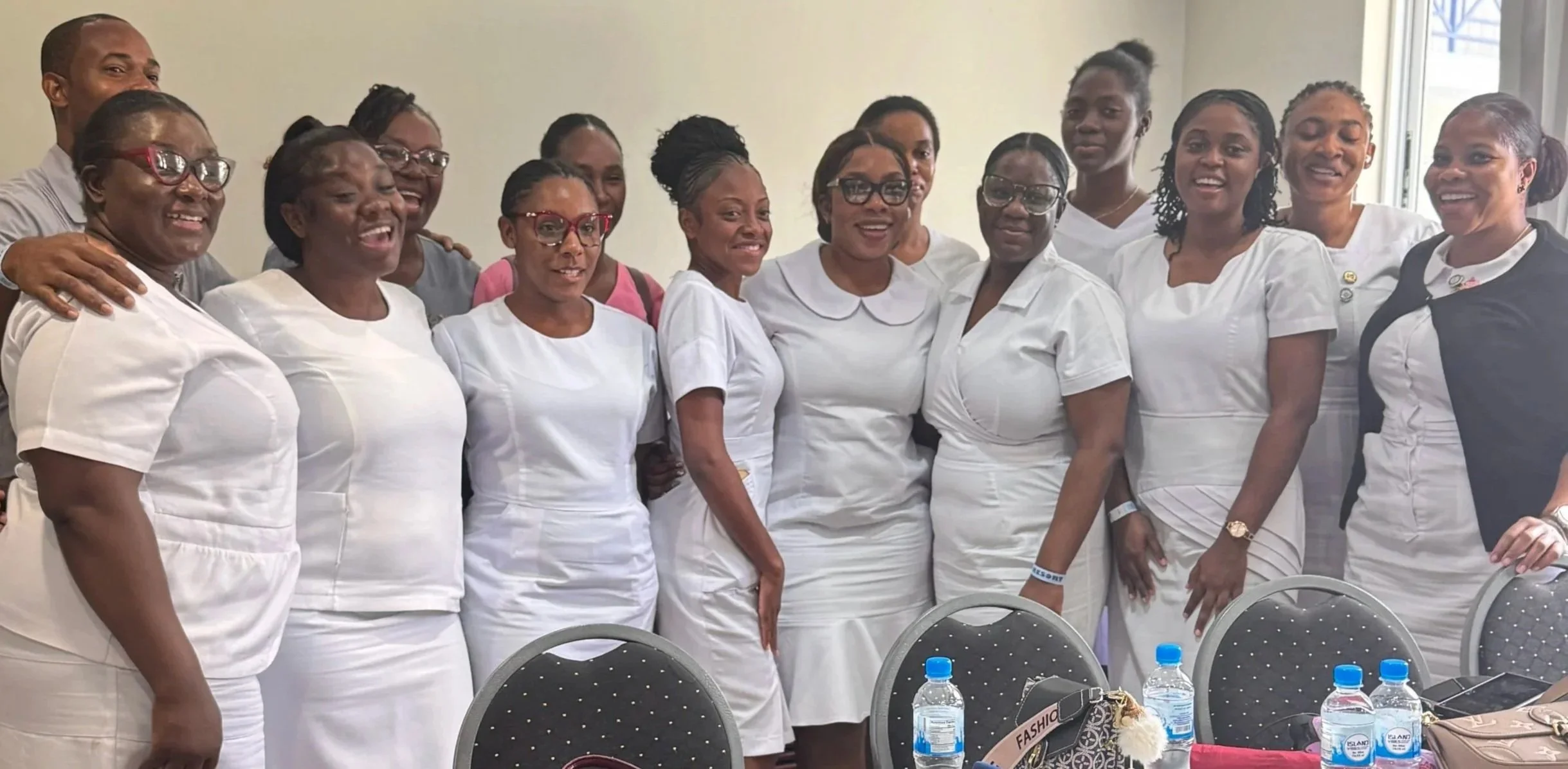
“We build Jamaica! Right! And all that we are saying is help us to continue to build Jamaica.”
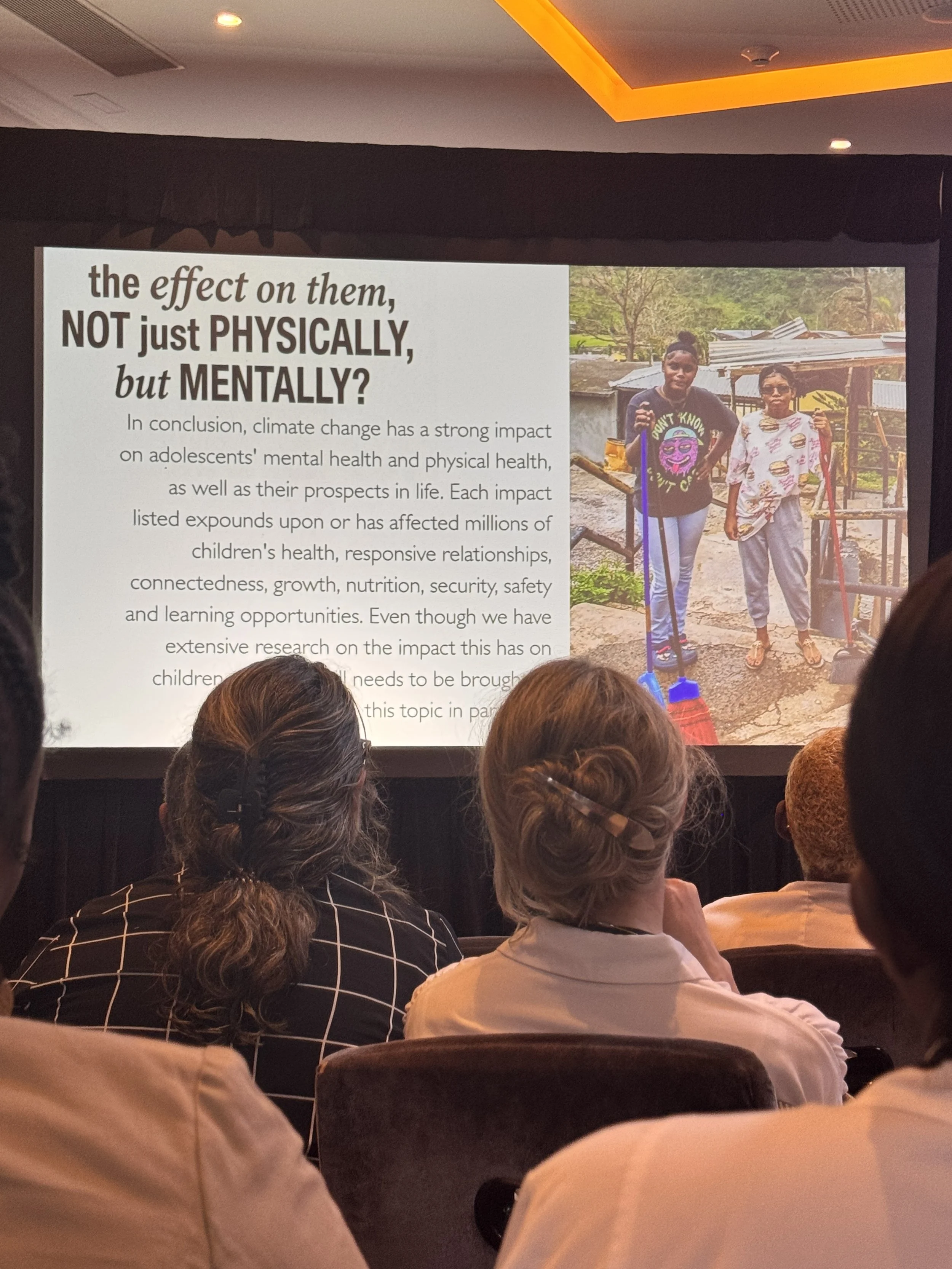
Climate disasters occur when the hazardous forces of climate-related changes (e.g. hotter sea temperatures and sea level rise) wreak havoc on a human population in their path. In addition to the physical harms and property losses, those who experience and survive these catastrophic events can show a wide range of psychological reactions ranging from stress and recurring bad memories to more long-term problems, such as PTSD, depression, generalized anxiety disorders, and substance abuse. Hurricane Katrina was one such catastrophe, turning out to be one of the deadliest and most destructive storms in US history. Twenty years later, in the shadow of New Orleans’ Katrina-20 commemoration, on October 28th, 2025, Hurricane Melissa pummeled the Western coast of Jamaica, with wind gushes of up to 185 miles per hour, severe storm surge flooding, and widespread infrastructure collapse. This was déjà vu for many New Orleanians, and especially for us here at IWES, which has deep roots in Jamaica. This connection served as an invitation for us to create a new initiative last year — Rise Up, Jamaica — to support the human recovery efforts happening in Jamaica, translating all of the lessons learned from Katrina into the Jamaican context.

Having lived and worked the post-Katrina human recovery in New Orleans for over 20 years, IWES staff are very familiar and cognizant of the psychosocial burdens natural disasters bring in their wake. In early November 2025, three of our staff members traveled to Jamaica and conducted in-person and virtual workshops with over seventy healthcare providers, many of whom were first responders and who had lost their homes during the disaster. The workshops focused on tending to self in service of others in the immediate aftermath of a disaster. Months later, at the invitation of the Western Regional Health Authority of the Ministry of Health and Wellness, we conducted a series of virtual psychosocial workshops with healthcare workers. As first responders, they are at significant risk for developing post-disaster trauma-based conditions within the first 2 months post-disaster, so to mitigate the risk of continued emotional exhaustion and degraded mental health, the overall aim of these workshops was to assist the leaders in moving beyond the acute shock phase and reorient and reclaim their inner capacity for resilience-building. The first three virtual workshops were conducted in March with attendees from all parishes, followed by four in person workshops in March and April in Montego Bay and Savanna-la-Mar, with attendees hailing from the parishes most impacted by the storm; Hanover, St. James, Trelawny, and Westmoreland. Over 100 staff members attended, with positions ranging from managers (human resource officers, chief executive officers, parish managers, etc.) to healthcare providers (medical officers, social workers, nurses, public health inspectors, dialysis technicians, etc.) to support staff (security, psychiatric nursing aides, patient care assistance supervisors, etc.). The themes of the workshops were: Strengthening Moral Resilience; Confronting Existential Givens - Death, Isolation, and Meaning; Creating Practices for Tending to Self; and Holding Grief and Gratitude within Root Shock and Solastalgia. This series of workshops provided IWES staff with an opportunity to not only provide direct information to those living and working the disaster recovery, but to also hear from them and learn about their needs, their concerns, and their recommendations for what a healthy, human-centered recovery looks like; starting with taking care of themselves, the essential workers.
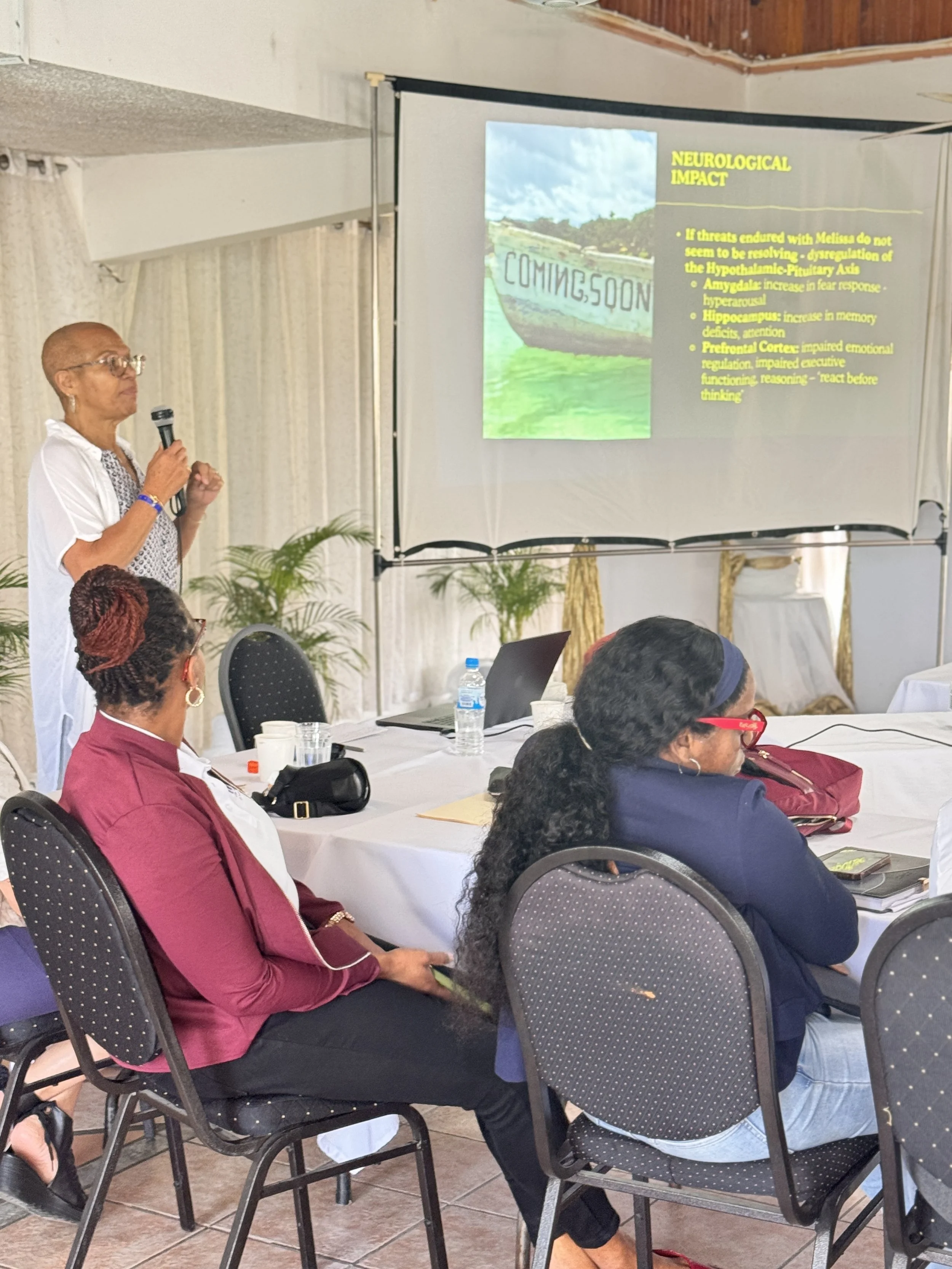
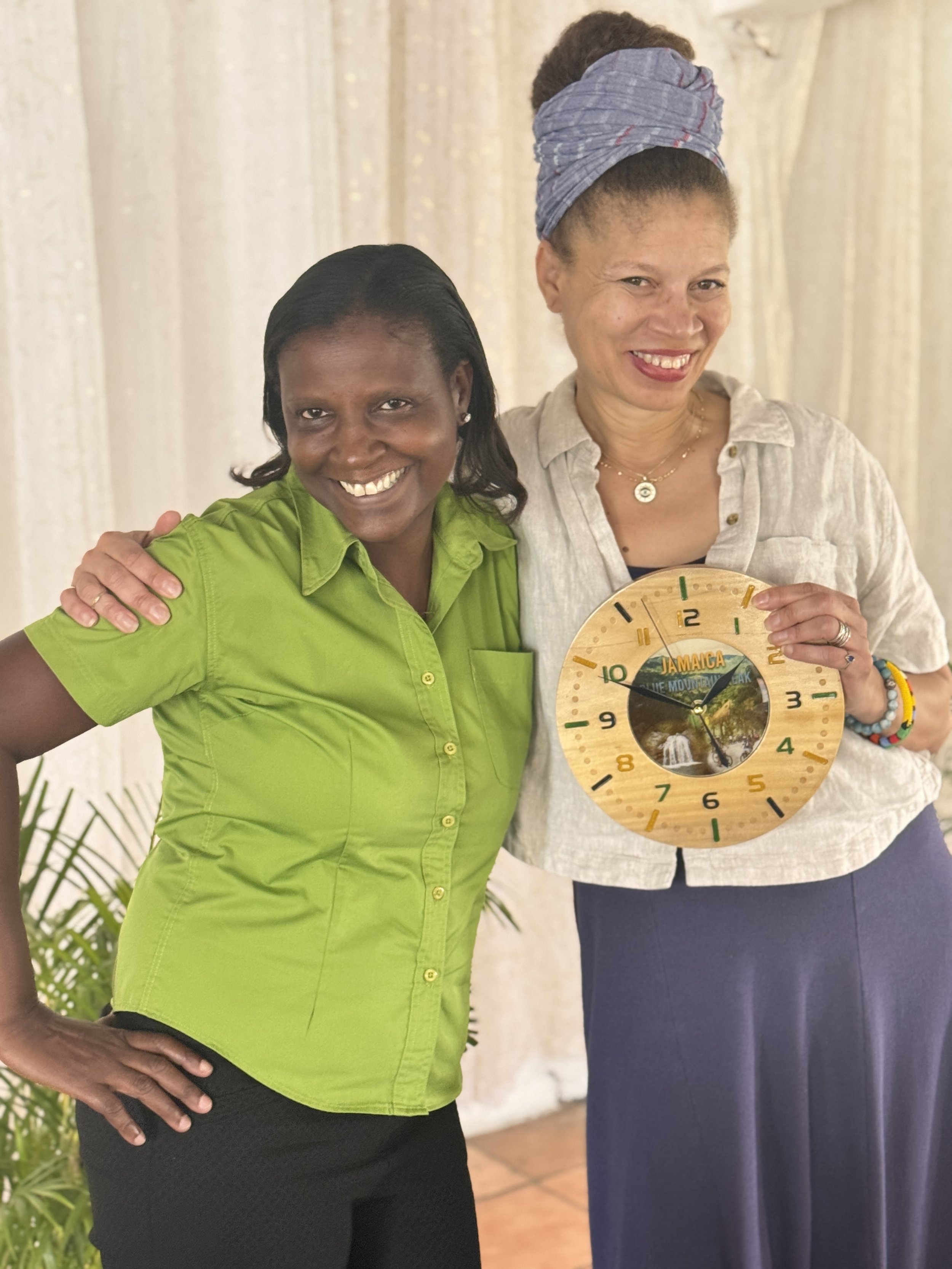
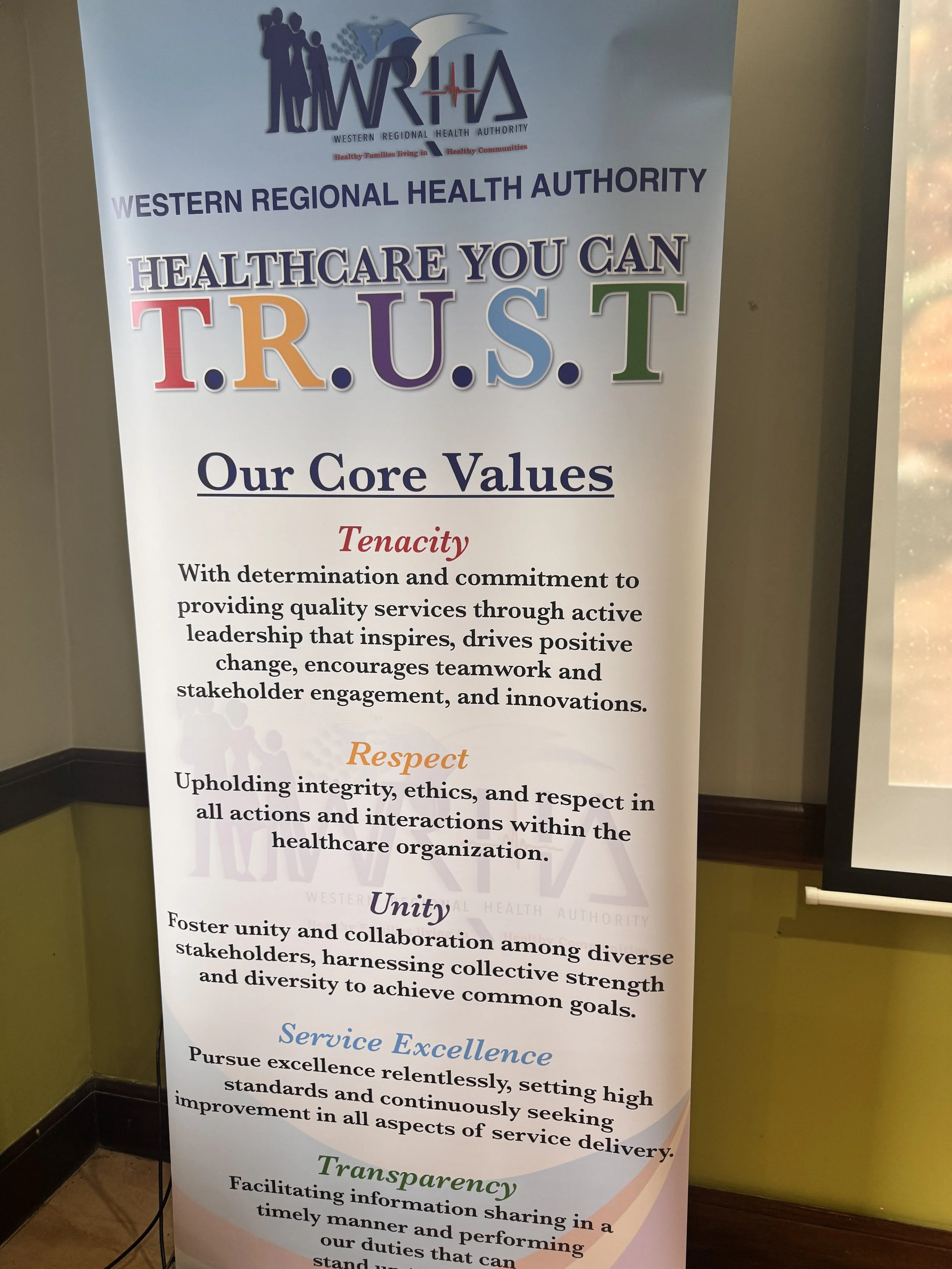
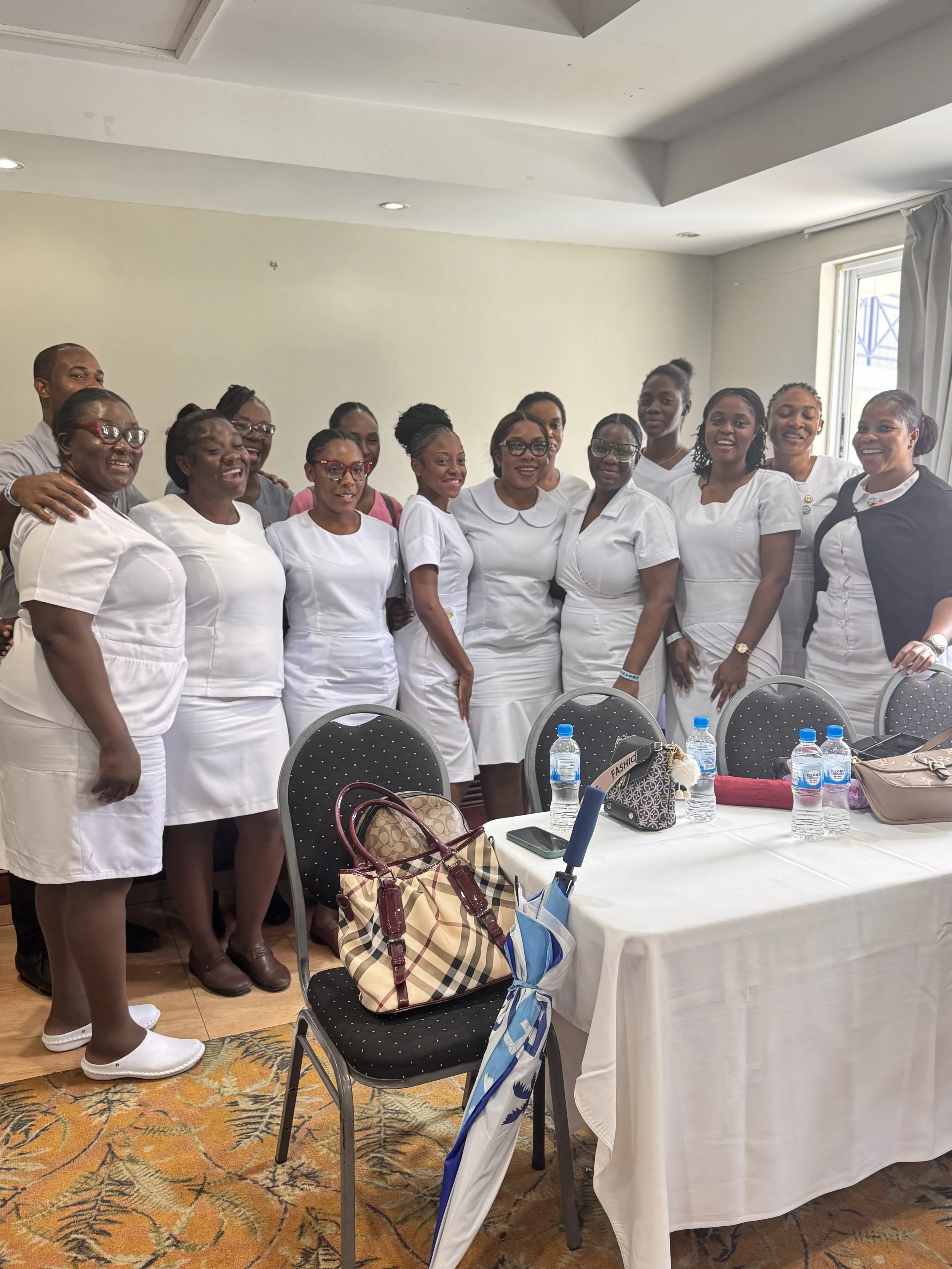
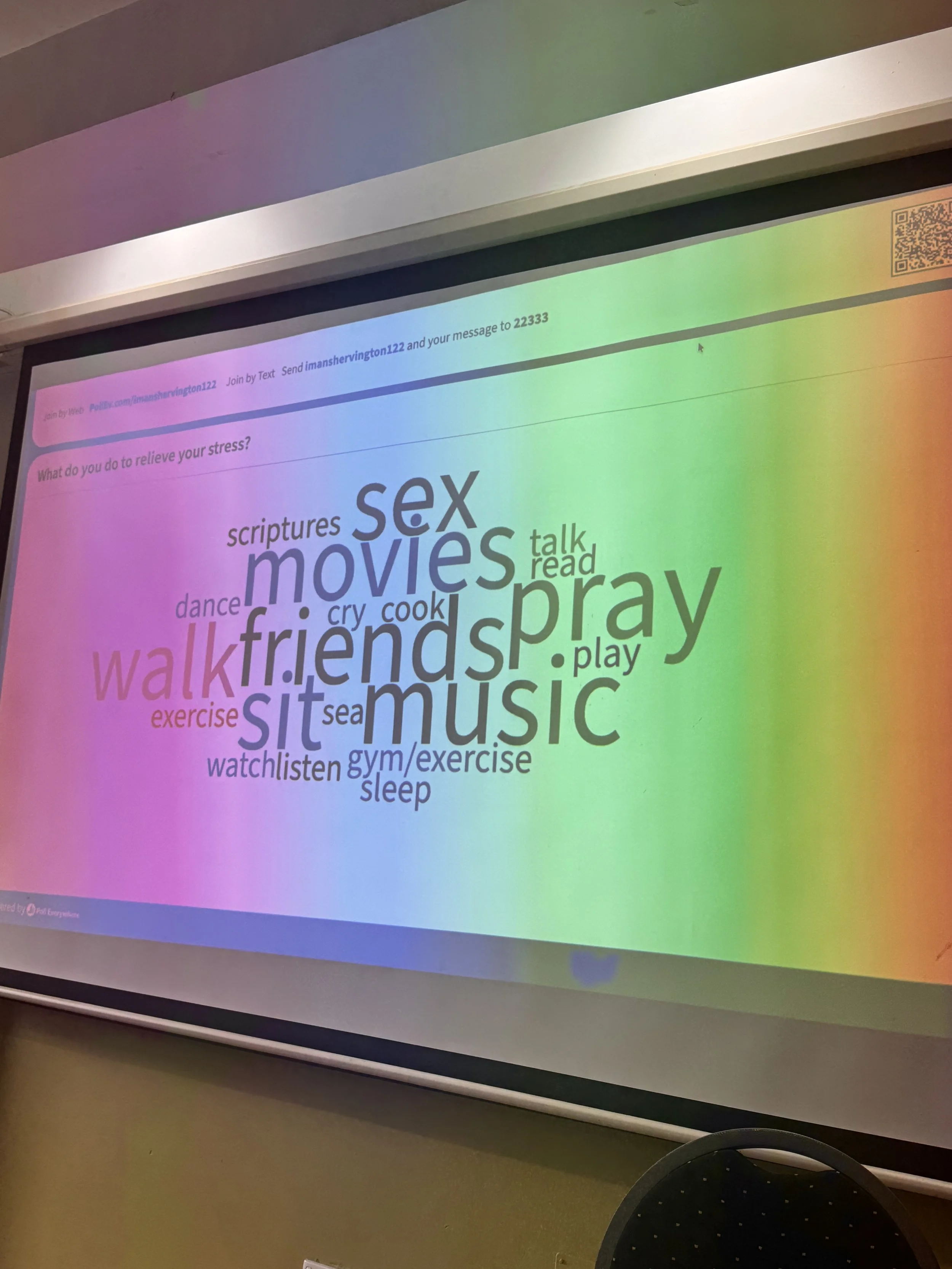
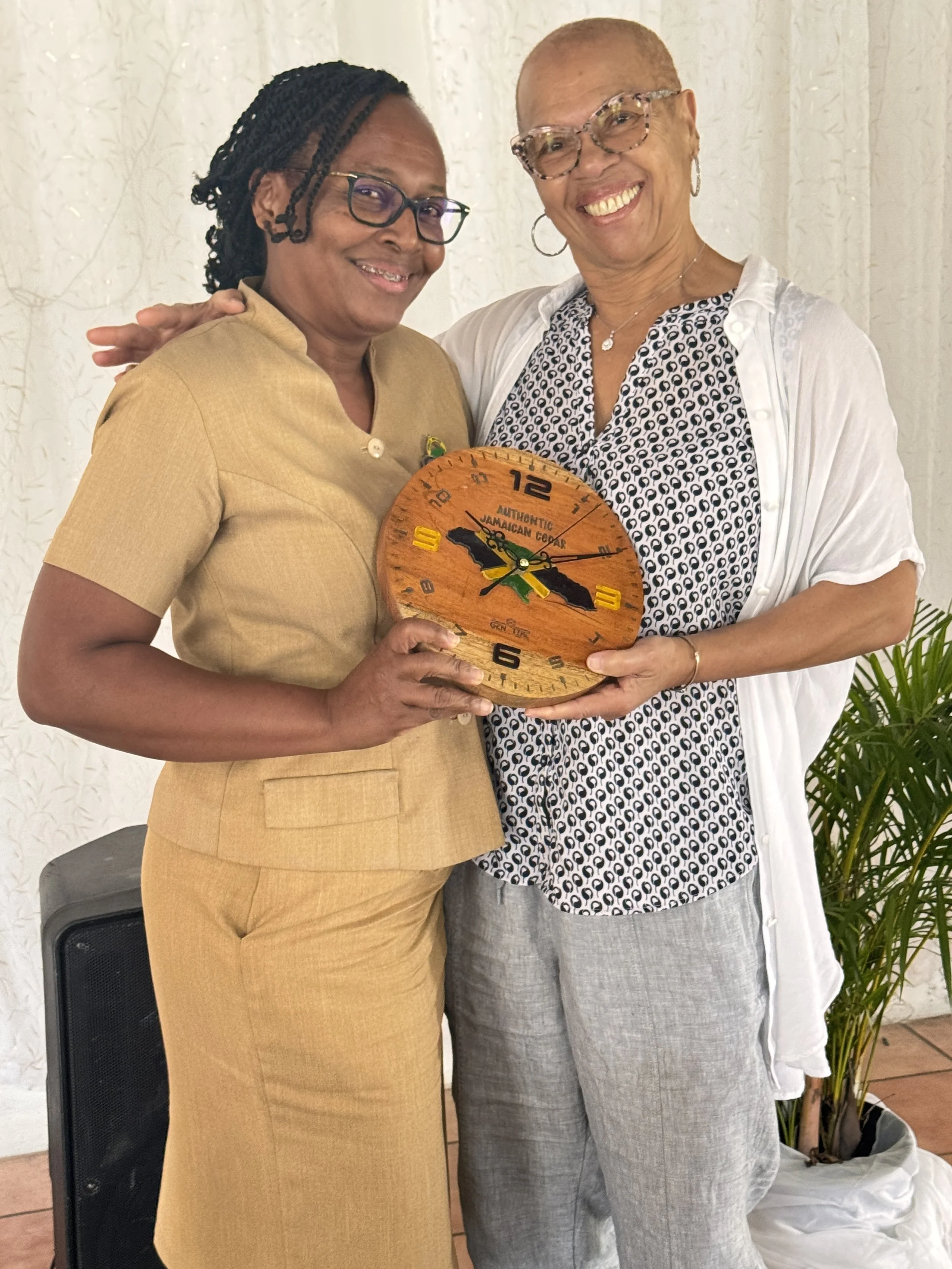
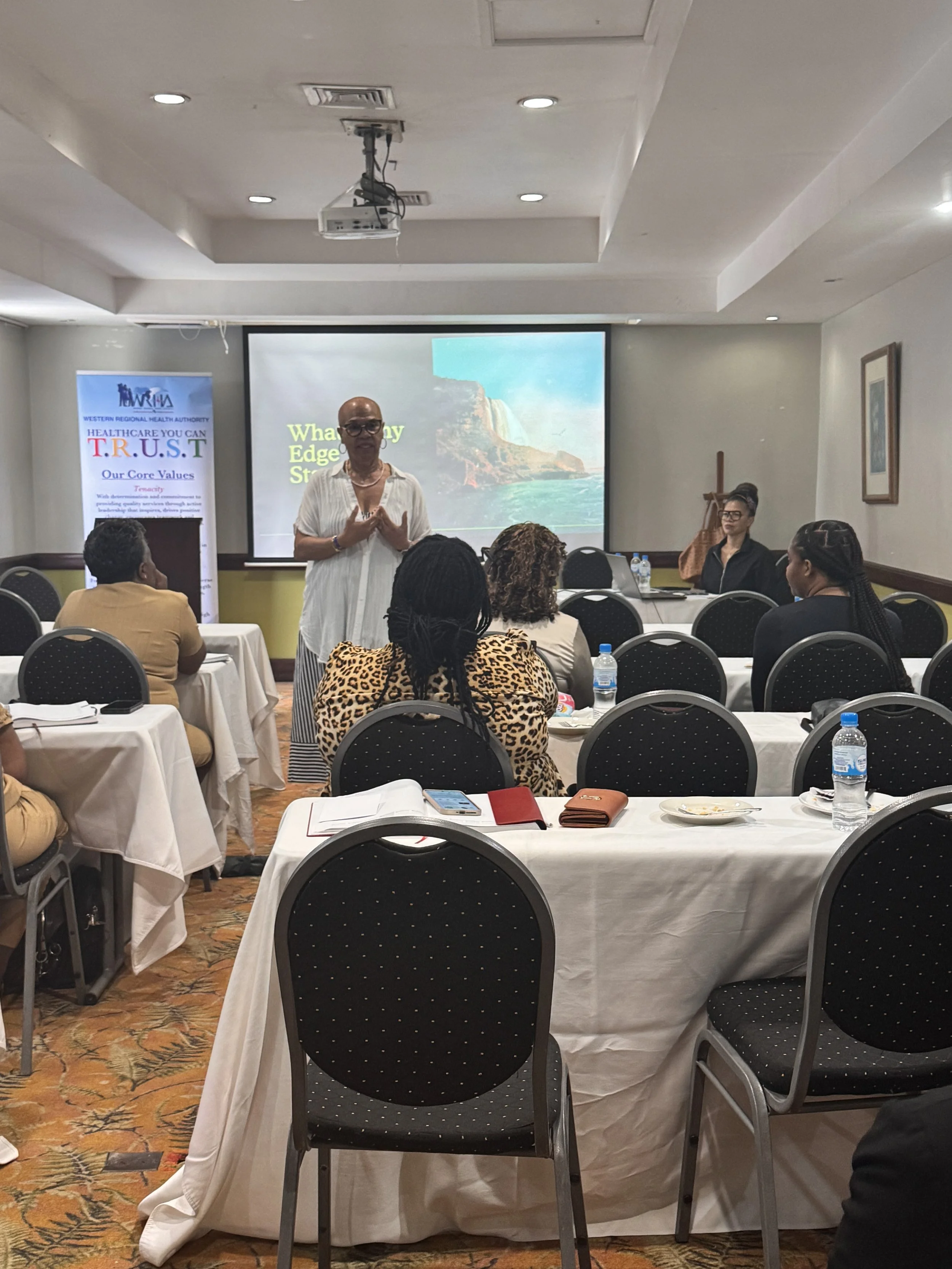
As evidenced during Hurricane Katrina and Hurricane Melissa, both storms caused widespread infrastructure damage, disrupting medical services, limiting access to healthcare, and increasing demand for emergency response. These compounding factors caused enormous strain on the capacity of healthcare systems to rebuild critical infrastructure, all while challenging the capacity of impacted workers in finding a healthy work-life balance. In New Orleans, hospitals were flooded, some were forced to evacuate, and critical infrastructure such as power and communication systems failed. Patients, including the elderly and those with chronic conditions, were left without proper care and some providers were caught in the moral quagmire of determining the algorithms for access to limited resources — how to prioritize who gets care versus those who don’t. Emergency services struggled to respond effectively due to the scale of the disaster and delays in coordination. Post-Katrina, the healthcare system has taken years to recover, and many facilities remain closed to this day.
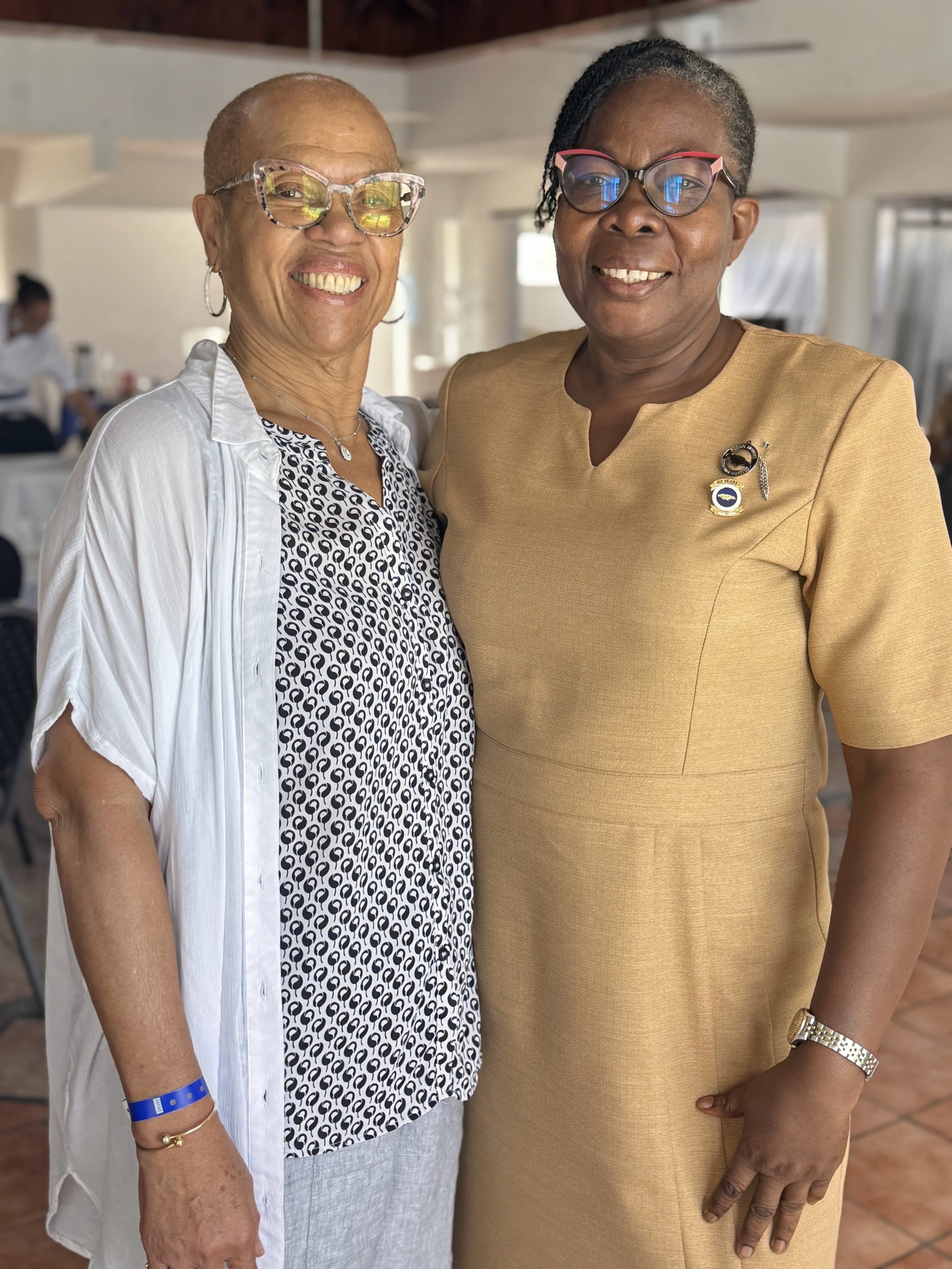
Similarly, in Jamaica, healthcare systems were overwhelmed by a sudden surge in injuries and illnesses, while many hospitals and clinics were damaged by water, wind, and/or mud, or faced shortages of staff, electricity, and clean water, placing even more pressure on strained facilities. With impeccable detail, healthcare workers at the in-person Spring sessions recounted stories of extreme bravery, selflessness, and heroism in which, regardless of hierarchy, staff of all departments pitched in — sometimes battling missing or leaking roofs, incoming flood waters or mud, and a lack of electricity — to ensure the safety of their patients. At times they even had to relocate them to totally different wards within their healthcare facilities. They proudly spoke about the camaraderie and professionalism of their staff, and how no lives were lost during this time; better still, even a baby was born amid the chaos of the storm! Many of these same healthcare workers — such as those from Catherine Hall, Darliston, and Whitehouse — left extreme conditions at their own homes or experienced a lack of communication with loved ones, showing their fierce dedication to the health and well-being of those they serve. This commitment to quality care and to leading with compassion is a core component of a successful health care system, yet in order to sustain a healthy system, it is vital to sustain the health and well-being of those of which it is comprised. These sessions stressed the need for more psychosocial supports for these and other first responders to reflect upon, process, and deeply understand the impact of the weight they are carrying, especially as time passes, the cameras and coverage leaves, and new hurricane seasons arise.
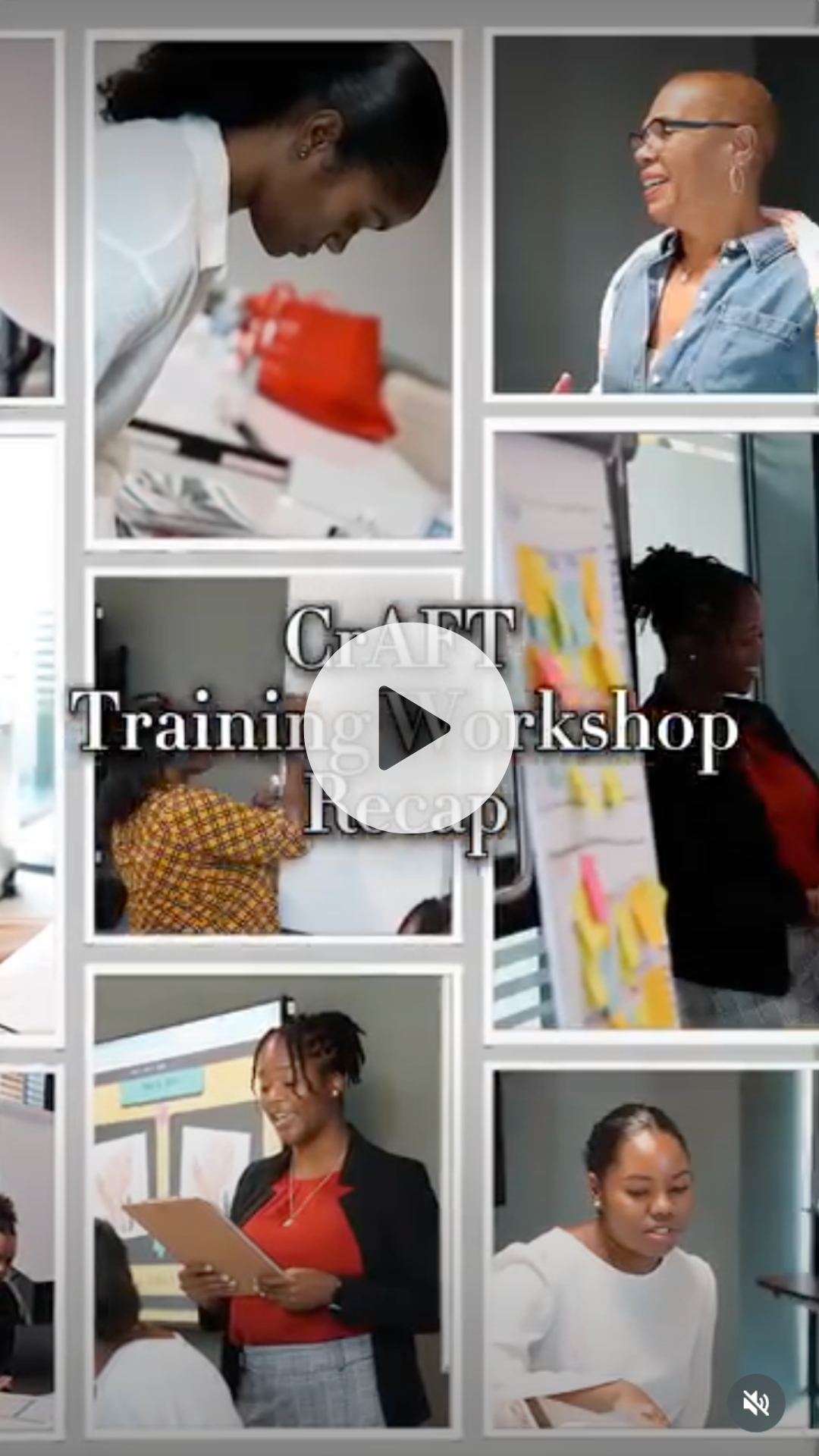
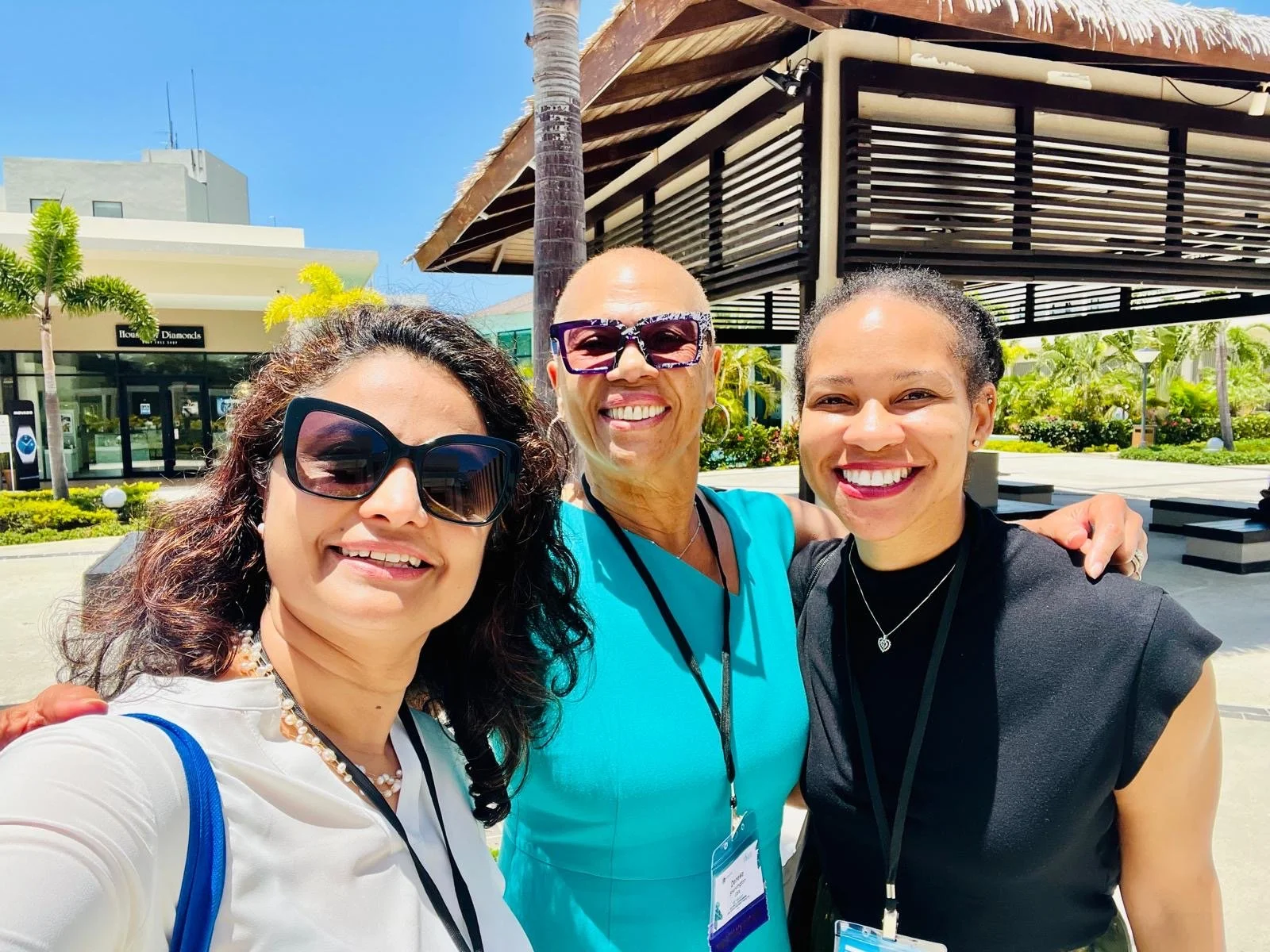
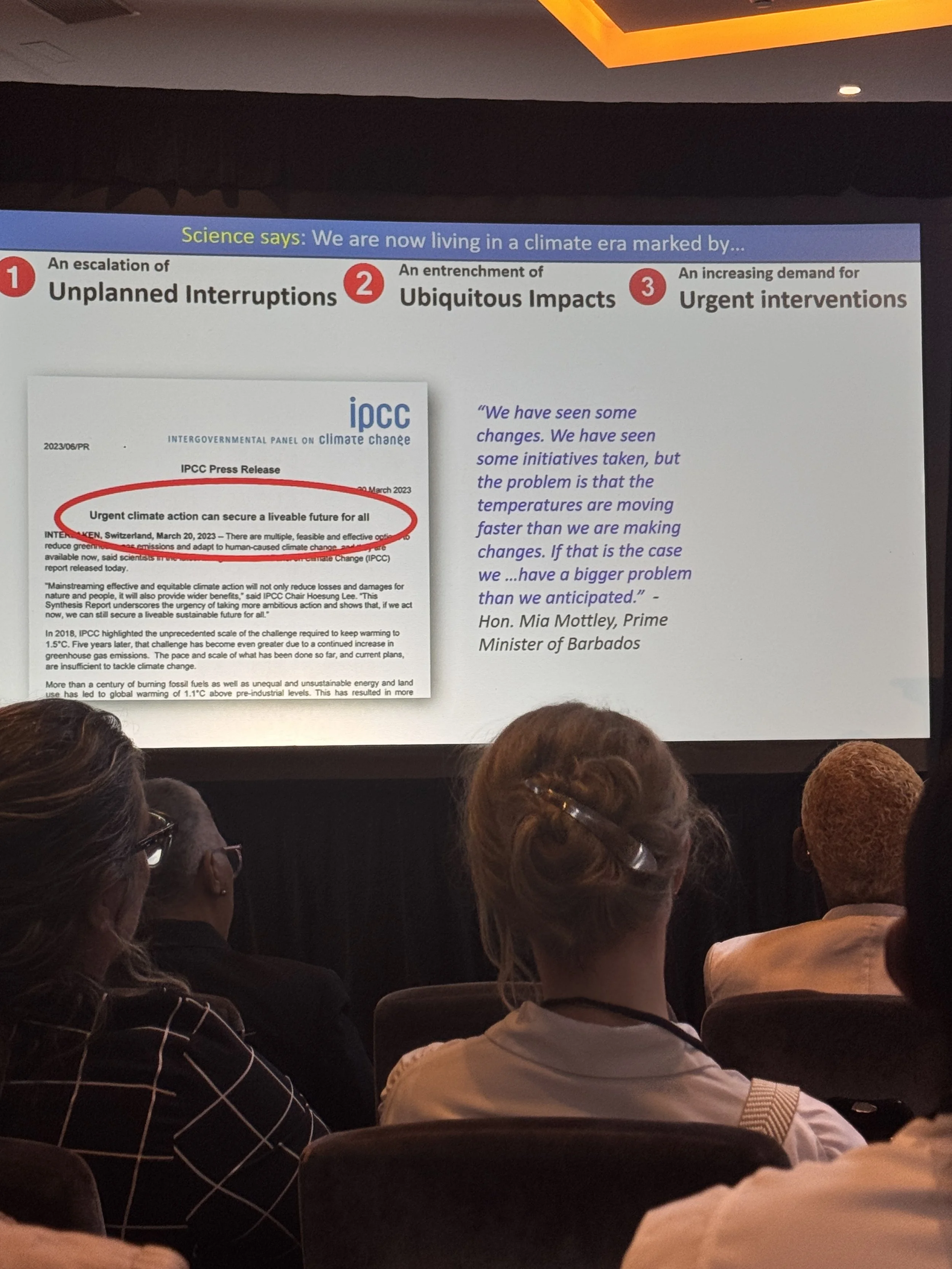
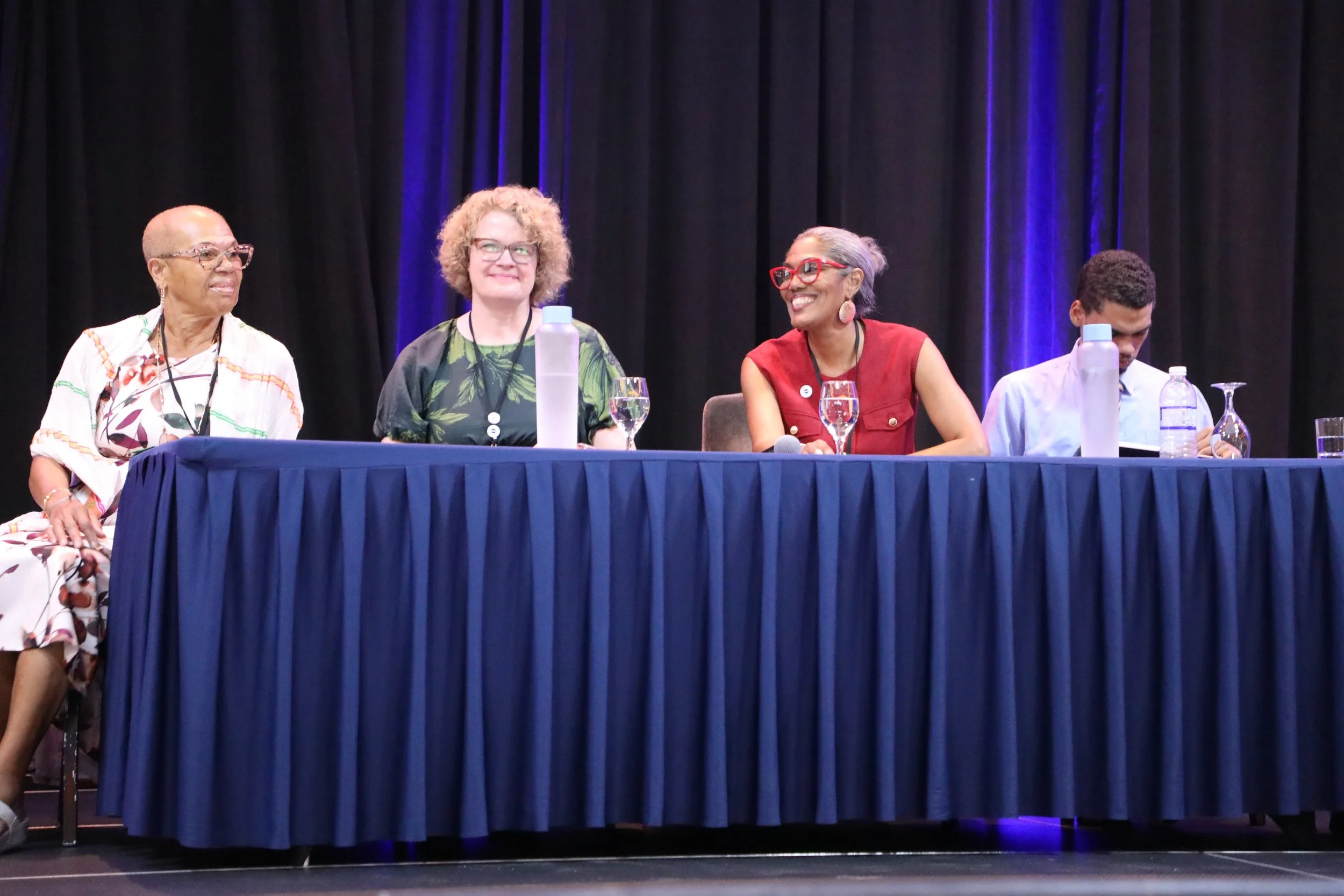
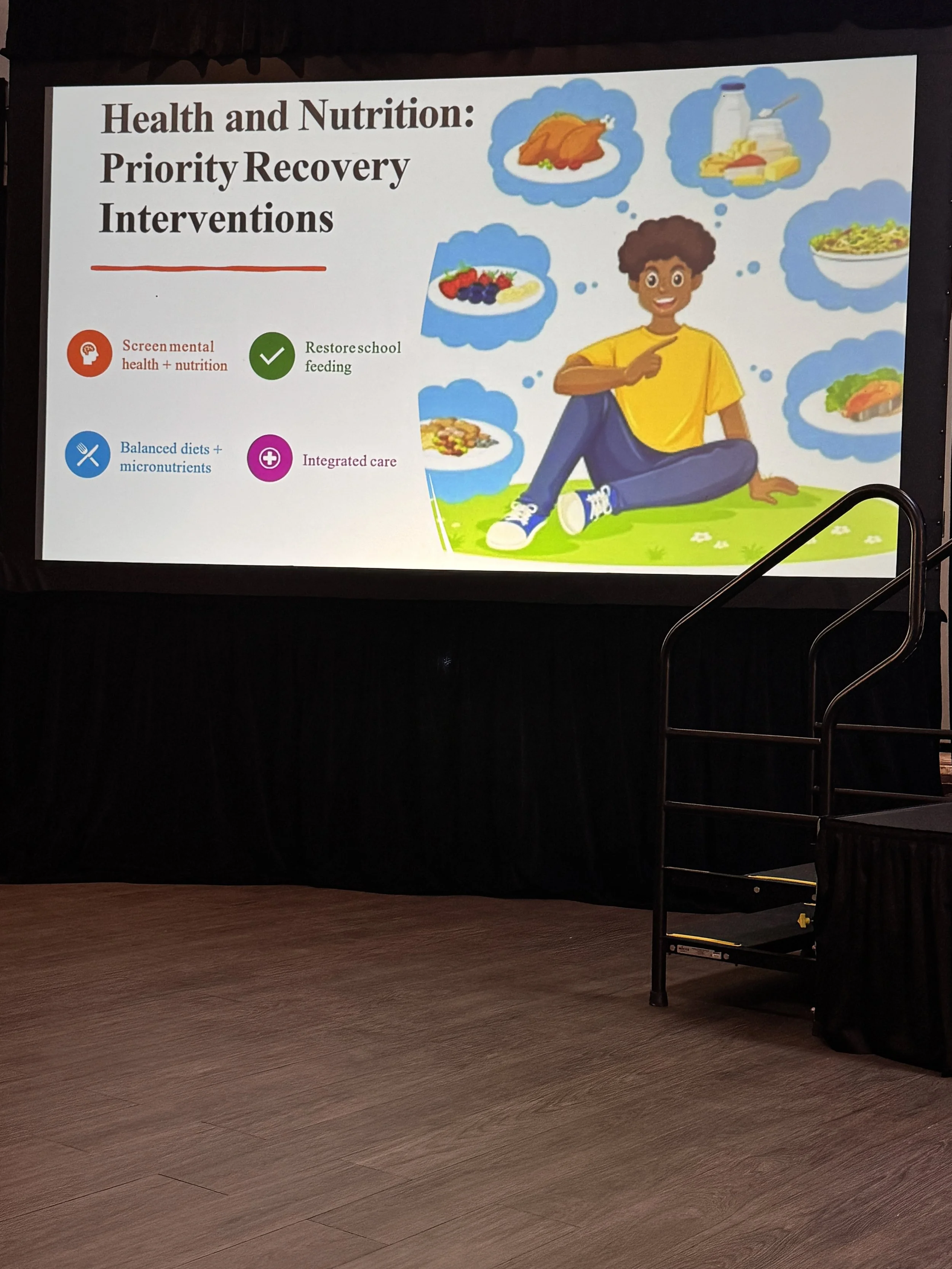
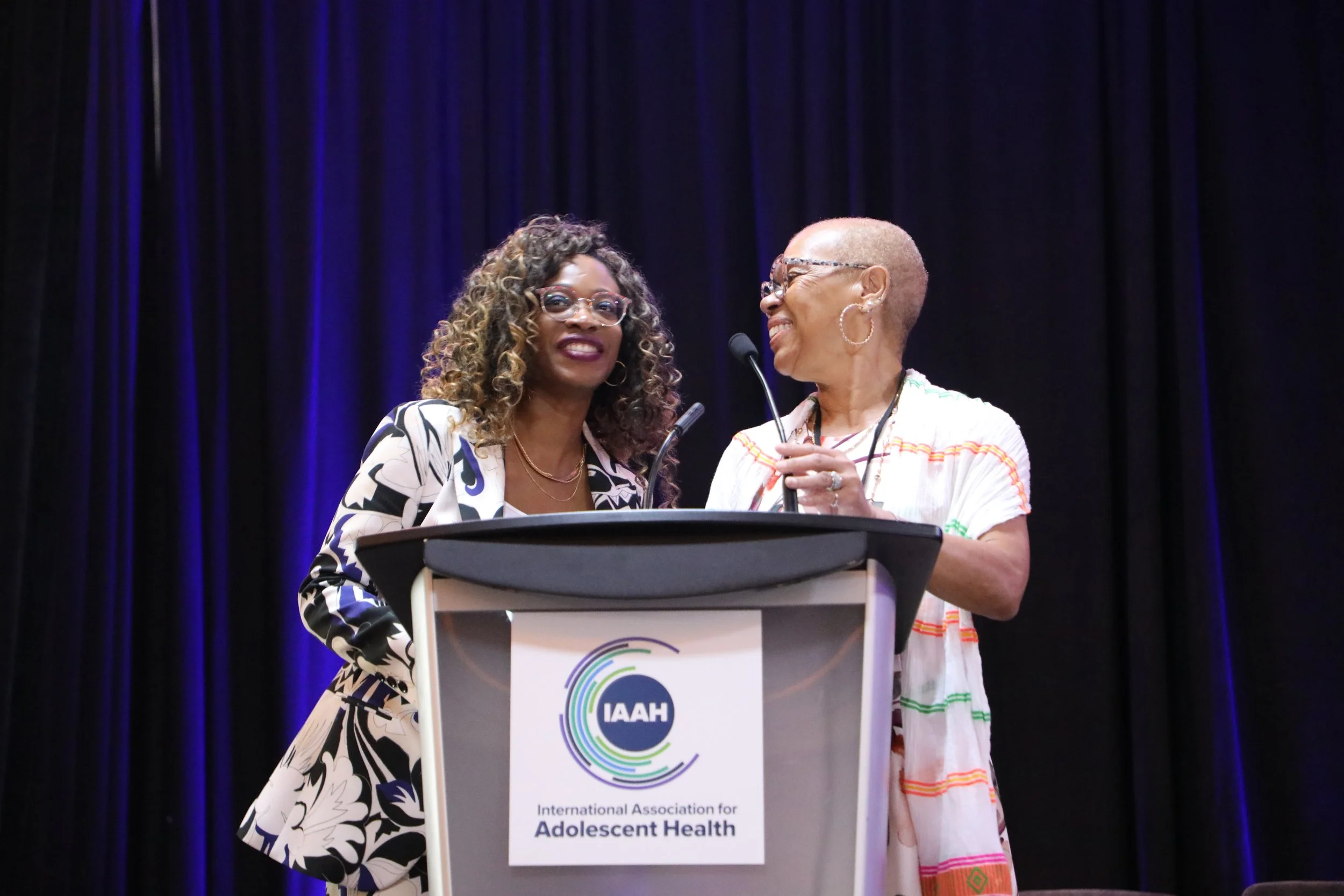
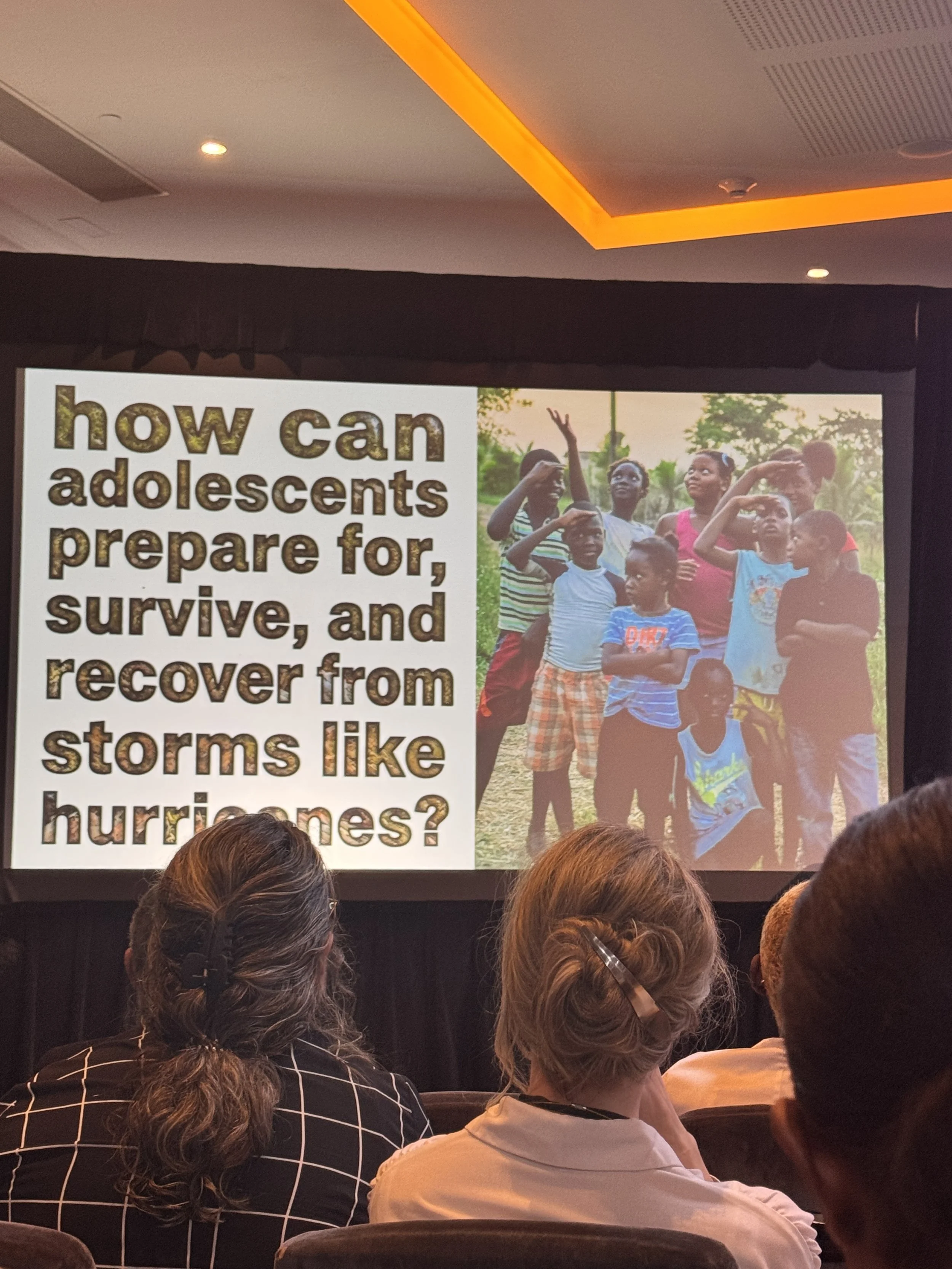
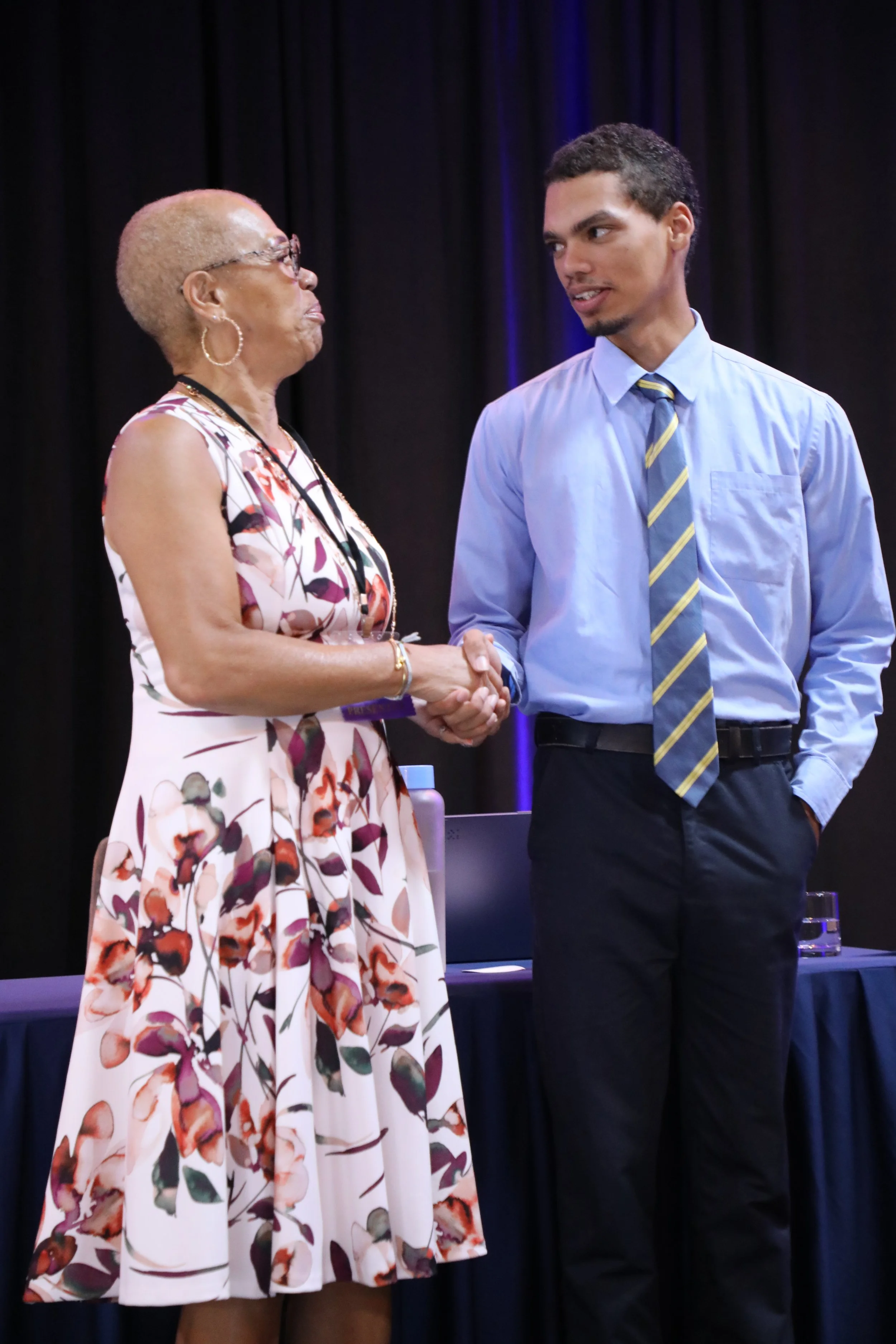
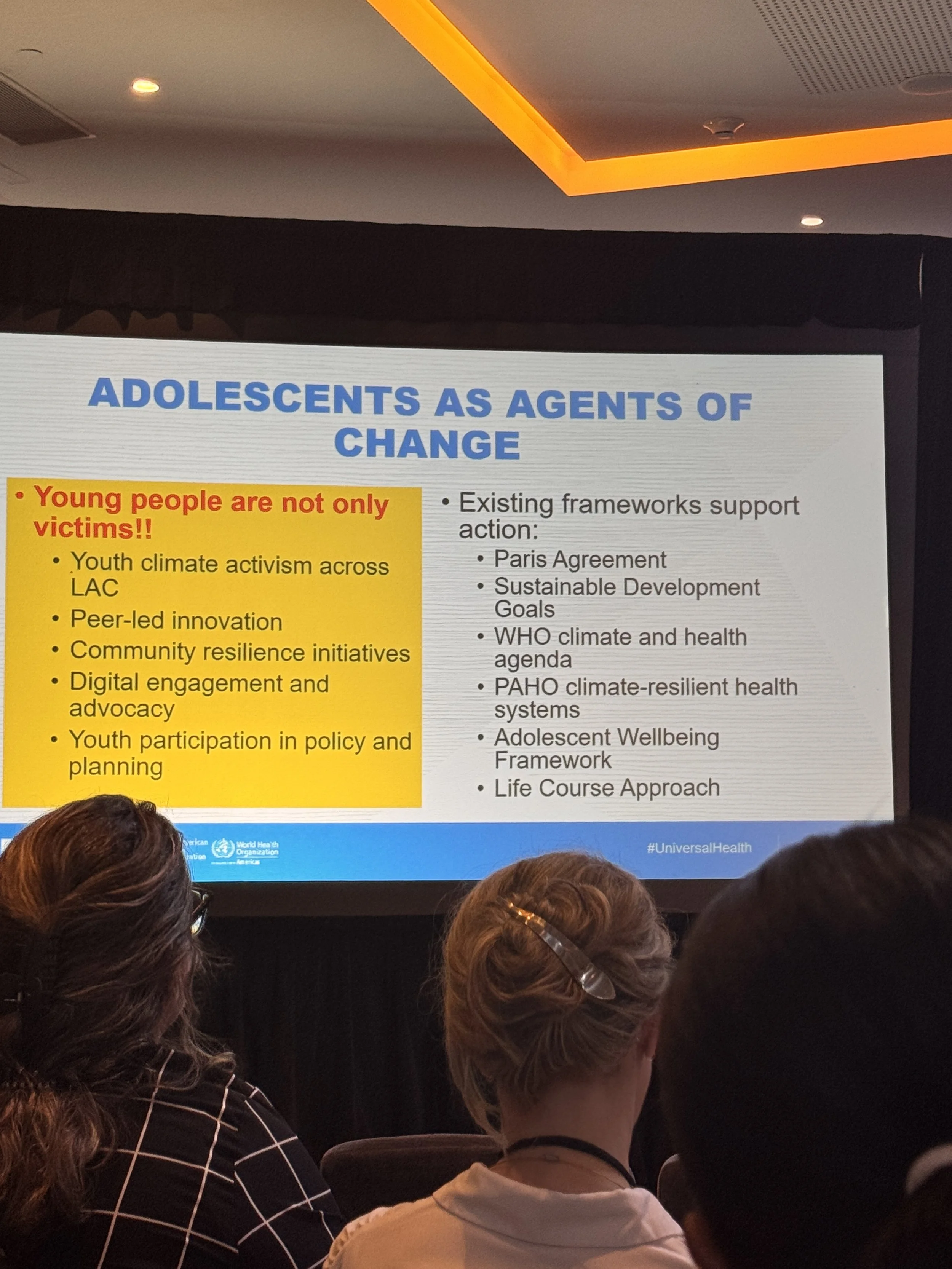
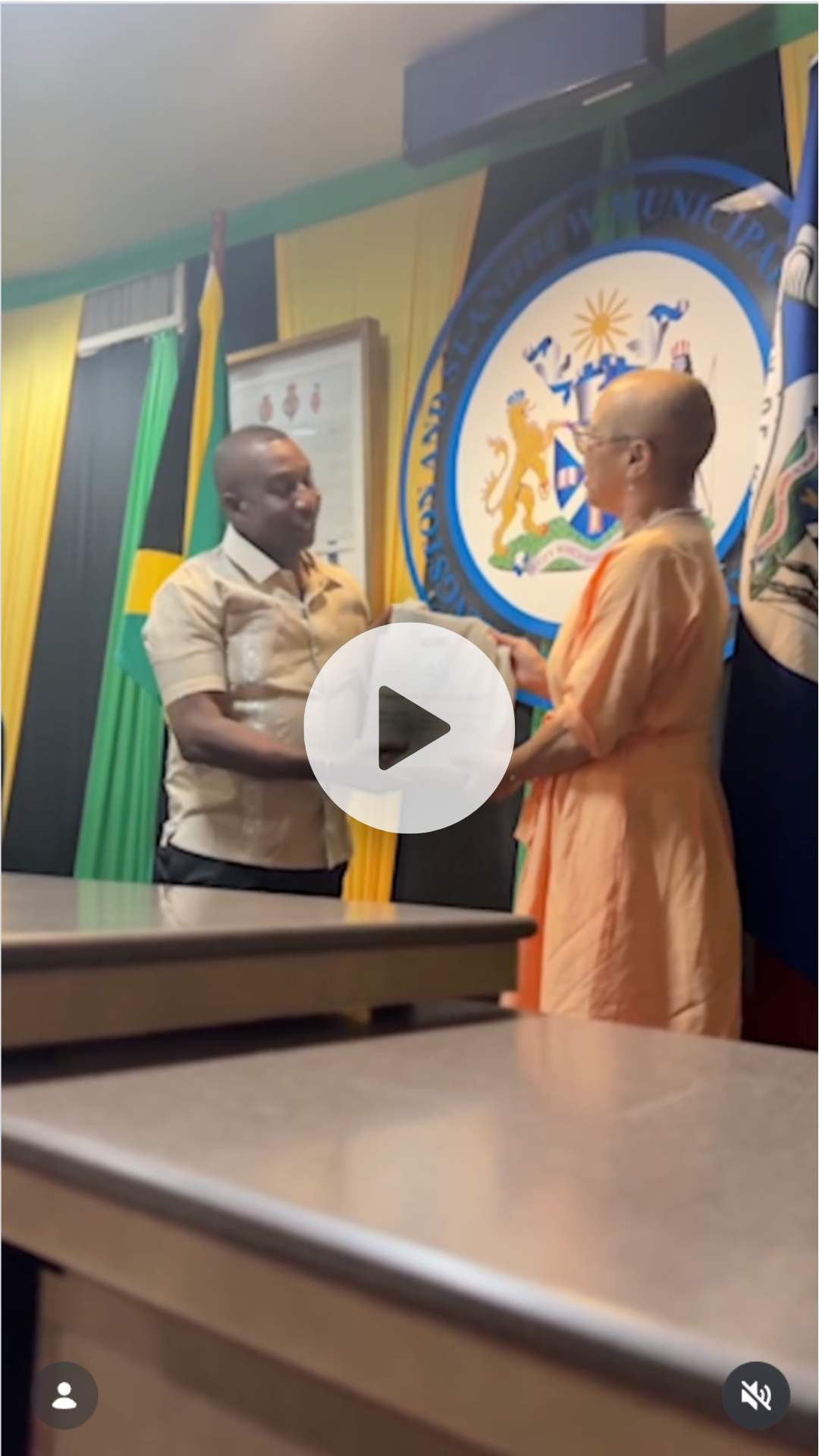
Since the Spring trip, IWES staff returned to Jamaica one more time in May to attend and present at the International Association for Adolescent Health’s (IAAH’s) 13th World Congress on Adolescent Health Part 2: Beyond Awareness; Resilience, Reimagining, Responding. Staff were originally meant to attend the conference in person in Montego Bay in late October 2025, but unfortunately it was postponed as it was scheduled to take place exactly when Hurricane Melissa made landfall on the island. Due to the hurricane, conference organizers held a virtual conference at the end of last year — Part 1 — and expertly organized this in person event, as well, to allow folks to grapple with the state of adolescent health together. Our Founder, Dr. Denese Shervington, was both a moderator for a plenary session entitled “Surviving and Learning: The Impact of Global Crises on Youth Health and Education,” and a presenter during the “No Borders for the Mind: Adolescent Mental Health in a Changing World” plenary sessions, where she spoke about “Trauma, ACEs and Vulnerability in Adolescent Boys.” Our Sr. Director of Media & Communications, Iman Shervington, was also a presenter on the Youth Day, where she recounted her journey as a filmmaker working in public health and presented about the intersection of film/media and health to secondary school students from the Western Region of Jamaica. She also stuck around after her presentation to participate in a “knowledge café,” allowing youth attendees to ask questions about her presentation or their career journeys in a one-on-one manner. During the conference, we were very proud to not only see colleagues from previous work in Jamaica (the Jamaican adaptation of our CrAFT curriculum is officially being implemented, see the video above for a recap), and to also reconnect with some of the attendees of the Spring psychosocial workshops and check in on how they are doing and what else we can do to help.
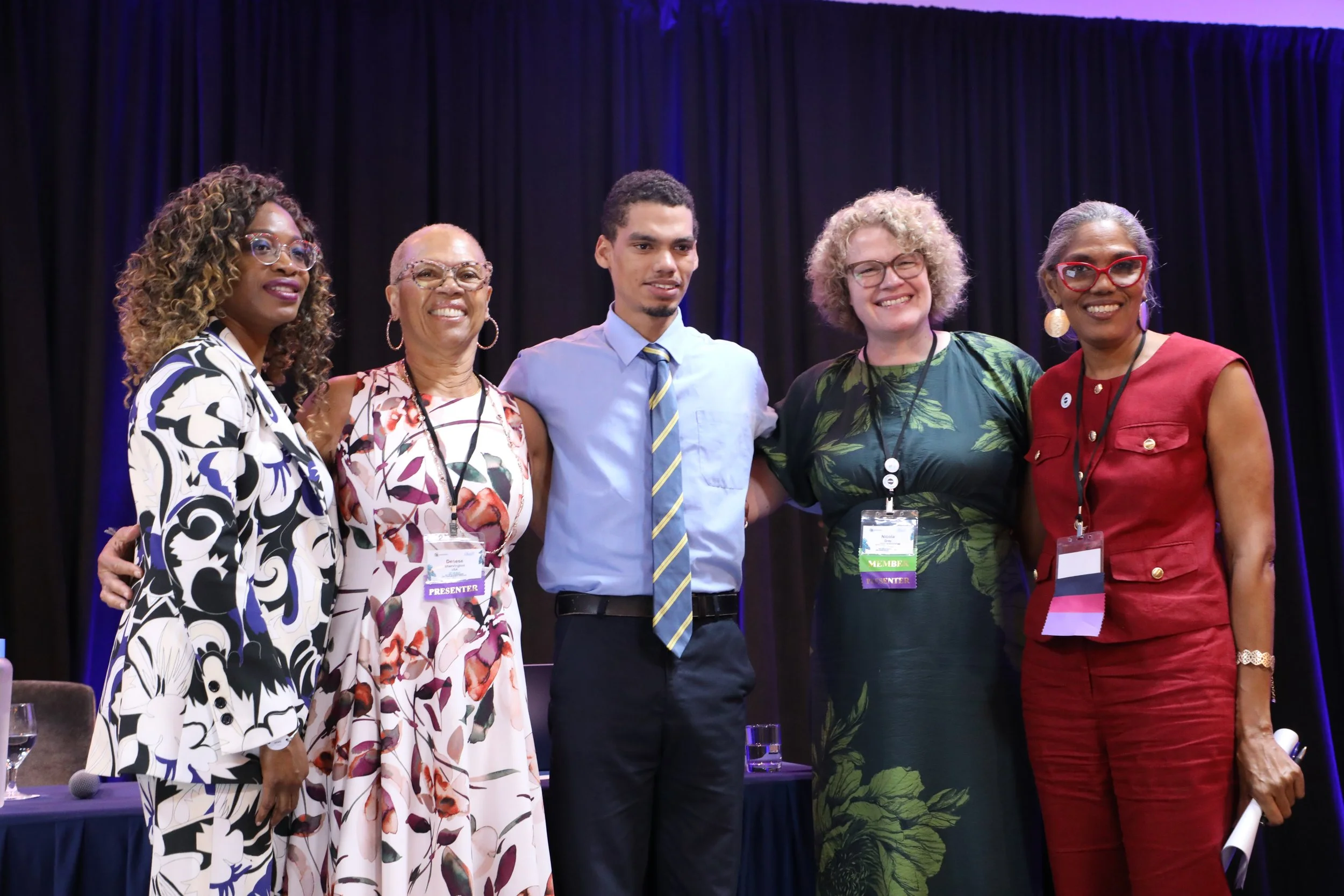
In just six months, a lot has happened to support post-Hurricane Melissa recovery needs, yet there is so much more to go, and as we’ve said since we began Rise Up, Jamaica, we remain committed to support the recovery for the long haul. This past Give NOLA Day we focused on the connection between Jamaica and New Orleans to raise more funds to support this work, and we continue to identify funding streams and grant opportunities to sustain Rise Up. As we identify resources, we continue to tap into the resources already available to us, such as our experience and expertise, and we continue to work with entities on the ground for thought partnership, ideation, and direct services. To summarize our learnings so far and share recommendations that come directly from the experiences of those most impacted, we are also finalizing a report to submit to Jamaica’s Ministry of Health and Wellness, with input from those working on the ground. And finally, as we did in New Orleans, our Communications Department is also steadfastly documenting this work and creating media to be used as a catalyst for discussion, reflection, and change. Finally, the overarching parallels we’ve witnessed between Melissa and Katrina — immediate healthcare disruption and significant psychosocial harms to healthcare workers and their families — emphasize the key point that we hope is a takeaway for you, and that we will continue to stress far and wide; there is a need for targeted recovery strategies, especially for healthcare workers; they are essential to the recovery and a key sector in helping to “Build Jamaica Back Stronger!”