Highlights from Black Maternal Health Advocacy Day 2026
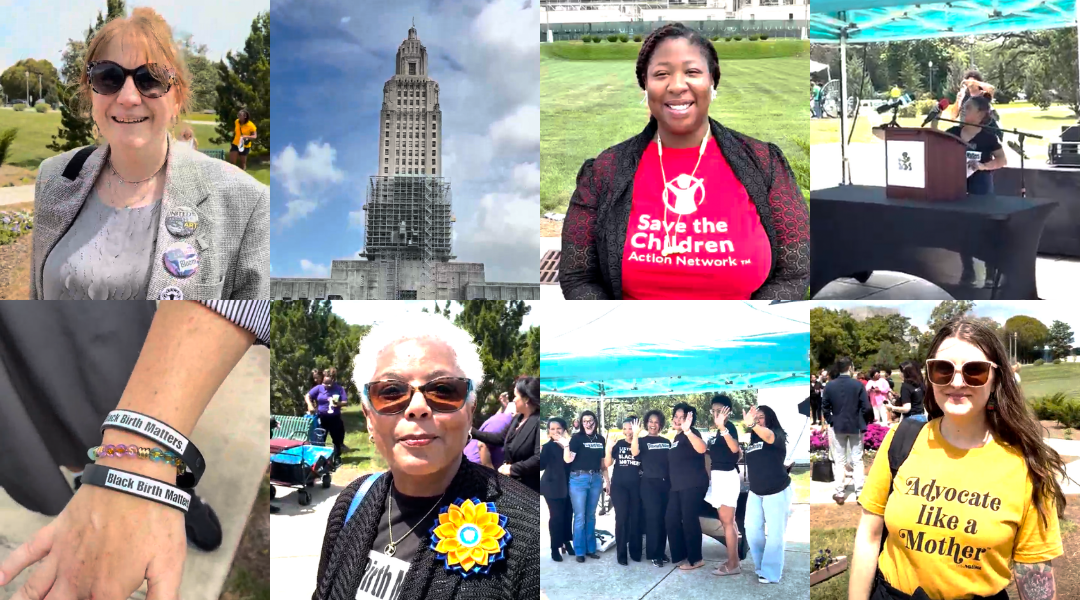
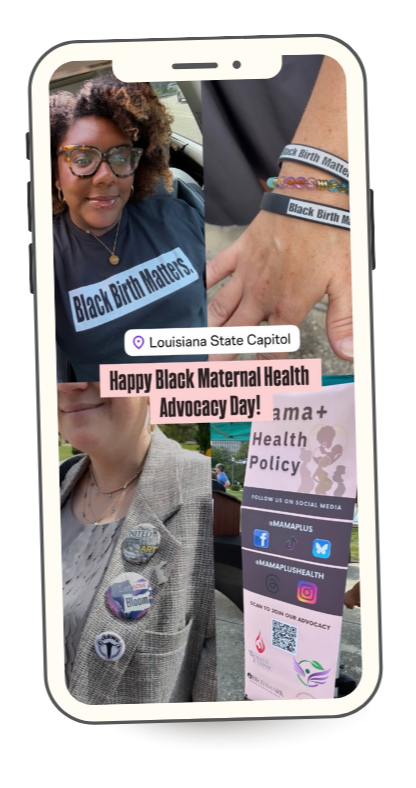
On Wednesday, April 15th, we participated once again in Black Maternal Health Advocacy Day (BMHAD), a powerful event at the Louisiana State Capitol. Established in 2022, BMHAD is inspired by the Black Mamas Matter Alliance’s successful efforts in 2021 to have Black Maternal Health Week (April 11-17th) recognized as a national annual observance. The aim of BMHAD is to promote maternal health improvement across all sectors of healthcare through policy awareness. From IWES, our NOLA MCH Coalition Coordinator, Brittany T. Williams, attended to provide on-site logistic and accessibility support throughout the event, assisting with event operations attendee coordination, and event resource management. Our Social Media Coordinator, Tyla Maiden, also attended to capture highlights of the day and share snippets of real time events, which revolved around a press conference and virtual town hall.
As in previous years, both events highlighted major maternal health policy wins that were achieved in the year’s Regular Session due to sustained advocacy over time. Some of the wins that were shouted out were 1) the passing of HB467, the expansion of insurance coverage for amino acid-based formulas; 2) the passing of HB454, the requirement of Medicaid coverage for certain doula services; and 3) an increase in Medicaid reimbursement rates for physicians through the passage of the Woman’s Hospital bill (SB190), which is backed by a $22.3 million state appropriation. Other advances include insurance coverage for pregnancy-related and postpartum healthcare services, hypertension screenings during pregnancy, and improved pay parity for midwives (SB135), who are now reimbursed up to 95% (Jessica Collins-Ruffin Act). There have also been enhancements to the doula registry board (HB514) and expanded perinatal health screenings (SB174) aligned with established care guidelines.
Speakers throughout Advocacy Day emphasized that these victories come against a stark backdrop. Louisiana continues to rank near the bottom nationally — often 49th or 50th — for overall health outcomes, with contributing factors such as high maternal and infant mortality rates, chronic disease burdens, behavioral health challenges, and limited rural healthcare access. With initiatives like LA 40 by 2030, whose vision is to “improve the health outcomes and quality of life for Louisiana children and families,” and with calls to declare maternal mortality a statewide public health emergency, maternal and child health advocates are stepping up the urgency for legislators to take concrete steps to achieve systems change.
During the press conference, we heard from multiple advocates — some New Orleans Maternal and Child Health Coalition (NOLA MCHC) members! — highlighting the importance of inclusive advocacy and describing their lived experiences as they relate to Black maternal health topics like Fatherhood, Maternal Mental Health, NICU Families, and Immigration. One such NOLA MCHC member, Andre Apparicio, Founder of the Asani Heartbeat Foundation’s Dad-a-Port fatherhood engagement initiative, shared encouraging advice to fathers and promoted the efforts of Louisiana's new fatherhood taskforce. Kimberly Novod, founder of Saul’s Light and former NOLA MCHC Advisory Board Member, drove home the dire straits of NICU families who have to deal with their immigrant status being questioned by authorities while rightfully seeking care for their critically ill newborns, highlighting the importance of inclusive advocacy. A recurring theme was the need for a full-spectrum approach that recognizes all people capable of pregnancy, including trans, non-binary, and intersex people, and immigrants. Speakers underscored the importance of unity, noting that attacks on one group’s healthcare rights often serve as a testing ground for broader restrictions. Pearl Ricks, Executive Director of the Reproductive Justice Action Collective (REJAC), stressed that Black maternal health is inherently tied to gender-affirming care and warned that discriminatory policies targeting gender expansive people could set harmful precedents affecting all pregnant people. The blueprint that has been used against gender expansiveness is being used to target our immigrant communities, as well. Aaron Moseley-Saldivar, a legal and Public Policy Advisor at the Louisiana Organization for Refugees and Immigrants (LORI) walked everyone through the legislation that would impact immigration policy for our state, such as HB335, which calls for mandatory reporting of citizens’ status when applying for public benefits. Another concerning bill is HB613, which requires the Office of Motor Vehicles to place imagery to indicate immigration status on certain identification cards, harkening back to Jim Crow tactics of oppression and harm. Even with this potentially harmful legislation though, overall, the message from Black Maternal Health Advocacy Day was clear: community voices continue to shape policy, and collective advocacy remains essential and impactful.
Since the exterior of the Capitol Building was scheduled for refurbishment, the BMHAD Press Conference could not take place on the Capitol Steps and podium this year. Despite this setback, causing organizers to use a less recognizable venue, the significance of the Press Conference was not diminished. The wide variety of advocates and champions from across the state underscored the community-driven nature of this work, and the crowd’s energy and passion around these issues was palpable. At a time when many of the advances made during the Civil Rights Era are being threatened or rolled back, the intergenerational nature of the crowd added an extra layer to the gathering; the fact that some attendees bore witness to and stood up for many civil right struggles created a sense of comfort, inspiration, and hope for what folks can achieve, as well as confirmation that this work is on the right track.
Overall, the virtual town hall and press conference effectively demonstrated the power of community engagement in driving policy change. The event served as both a celebration of progress and a call-to-action, reminding attendees that while meaningful strides have been made, the work to ensure equitable, inclusive maternal healthcare is far from over! If you're looking for a way to get involved, or if you just want a full rundown of what legislation can contribute to the betterment of our communities, get out your notebooks and click here to watch the entire Black Maternal Health Advocacy Day Virtual Town Hall and/or sign up for action alerts from Mama Plus to let you legislators know when they should stand on maternal and child health policy change.