Introducing The BETA Project: A New Chapter in Community Power Building
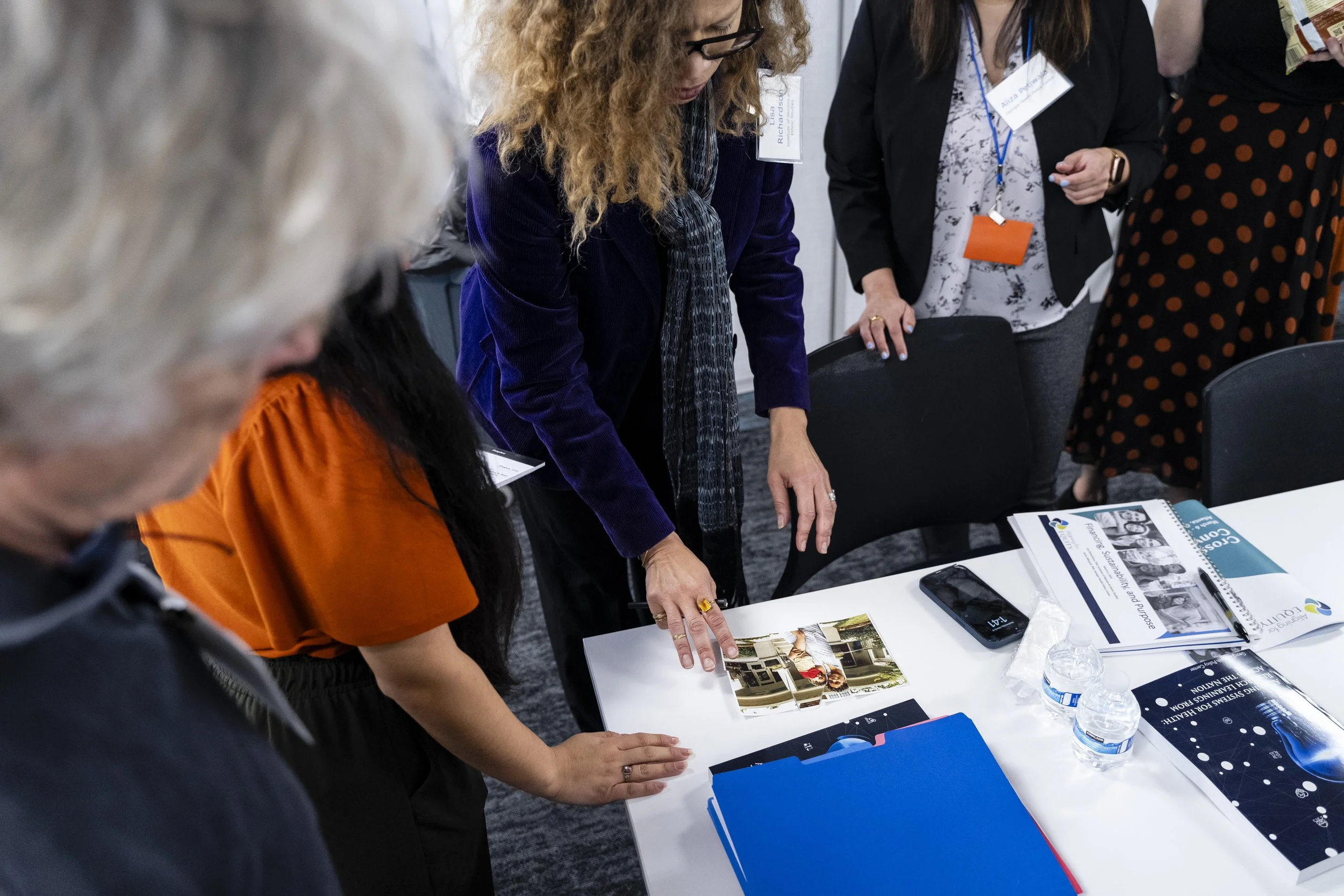
Every now and then, you hit a turning point in a project where things just click. We’re excited to announce that is exactly where we are right now with one of our newest initiatives, which is actually an adaptation of a previous project that builds on the principle of promoting the alignment of health systems in order to improve health outcomes. What started as Aligning for Equity (A4E) has officially evolved into a project with a deeper community focus, redefined aims, and new partnerships. IWES family, we’re proud to introduce you to a new project designed to transform healthcare systems through collaboration, community-power building, and the centering of community voice.
Welcome to The BETA Project.

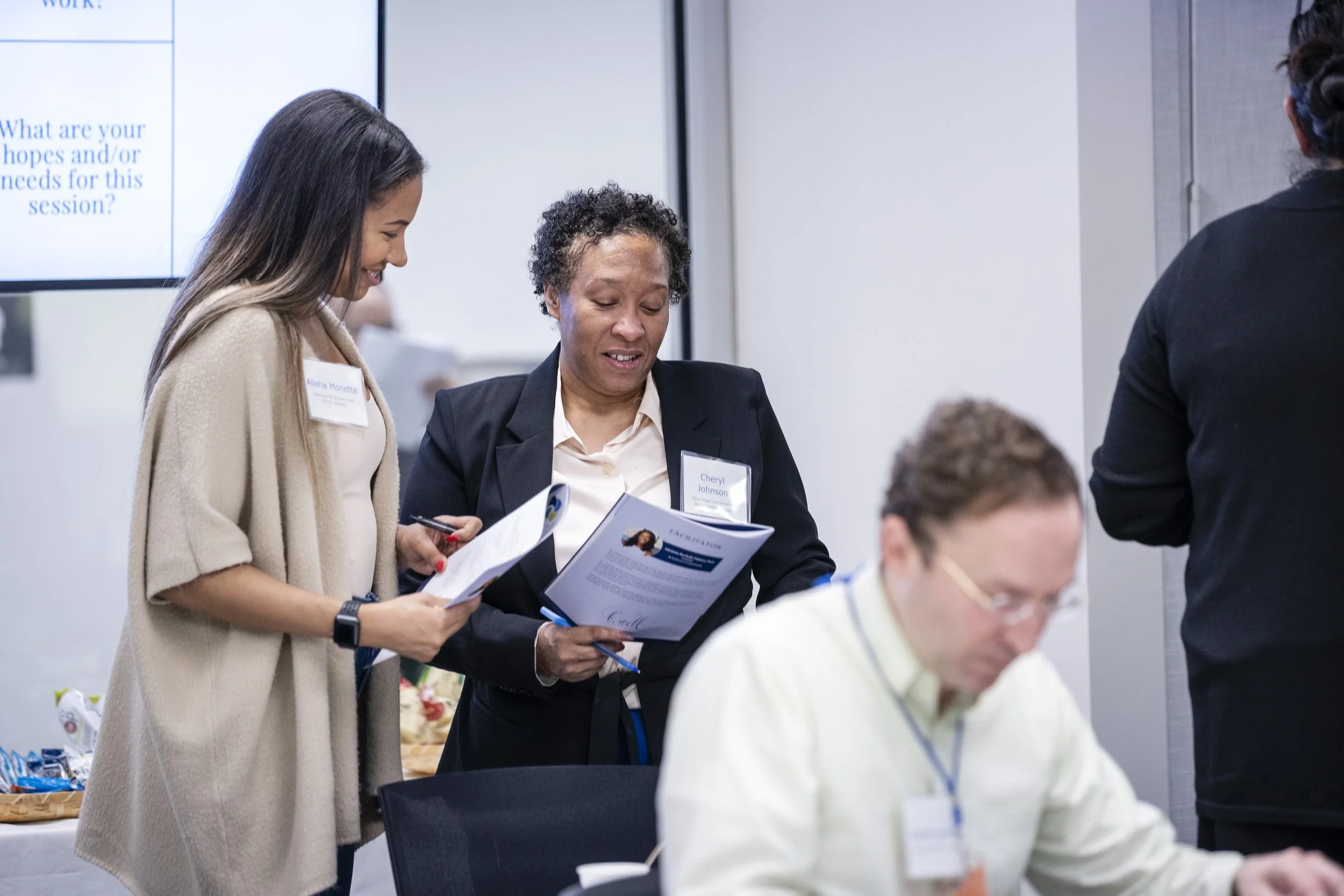
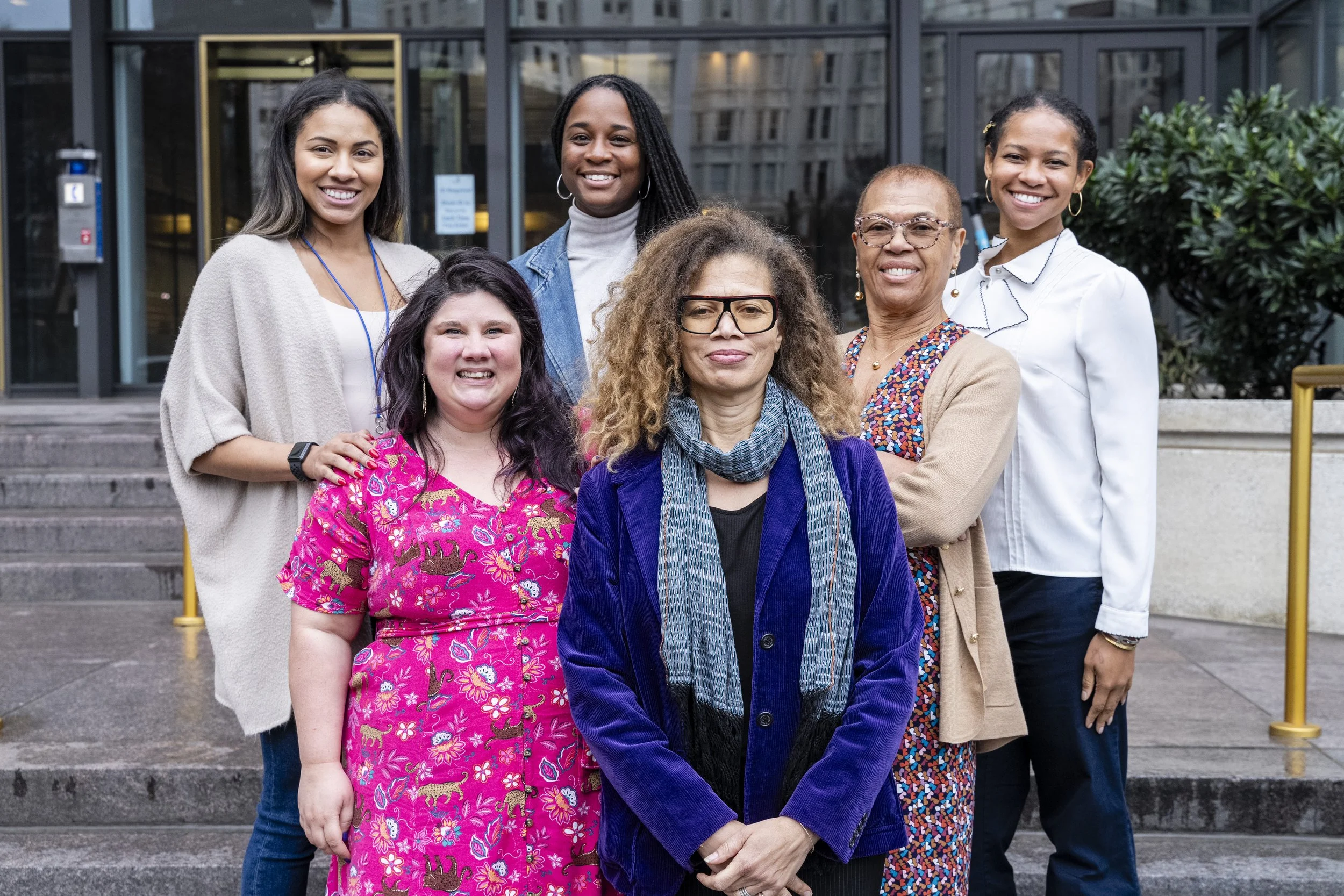
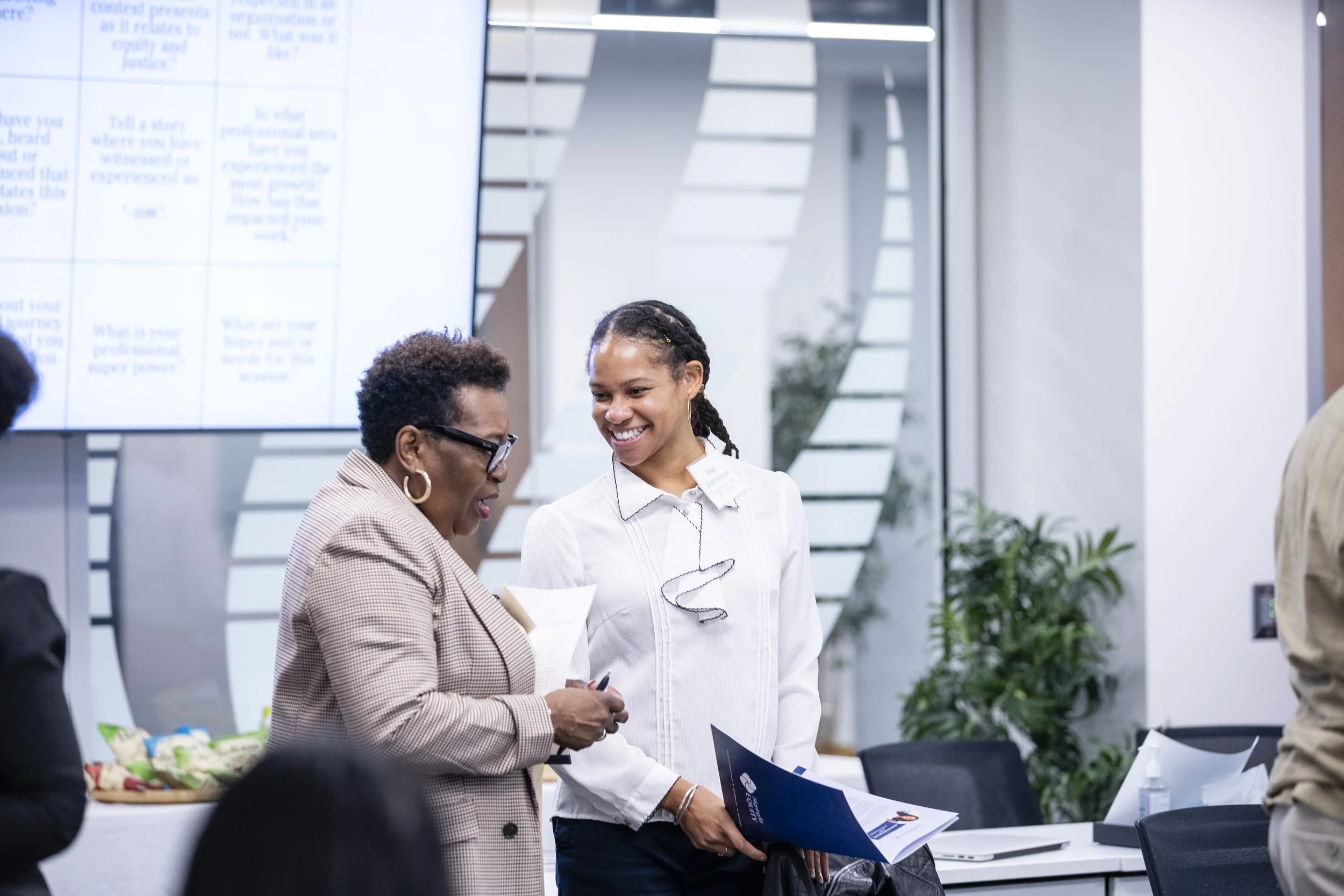

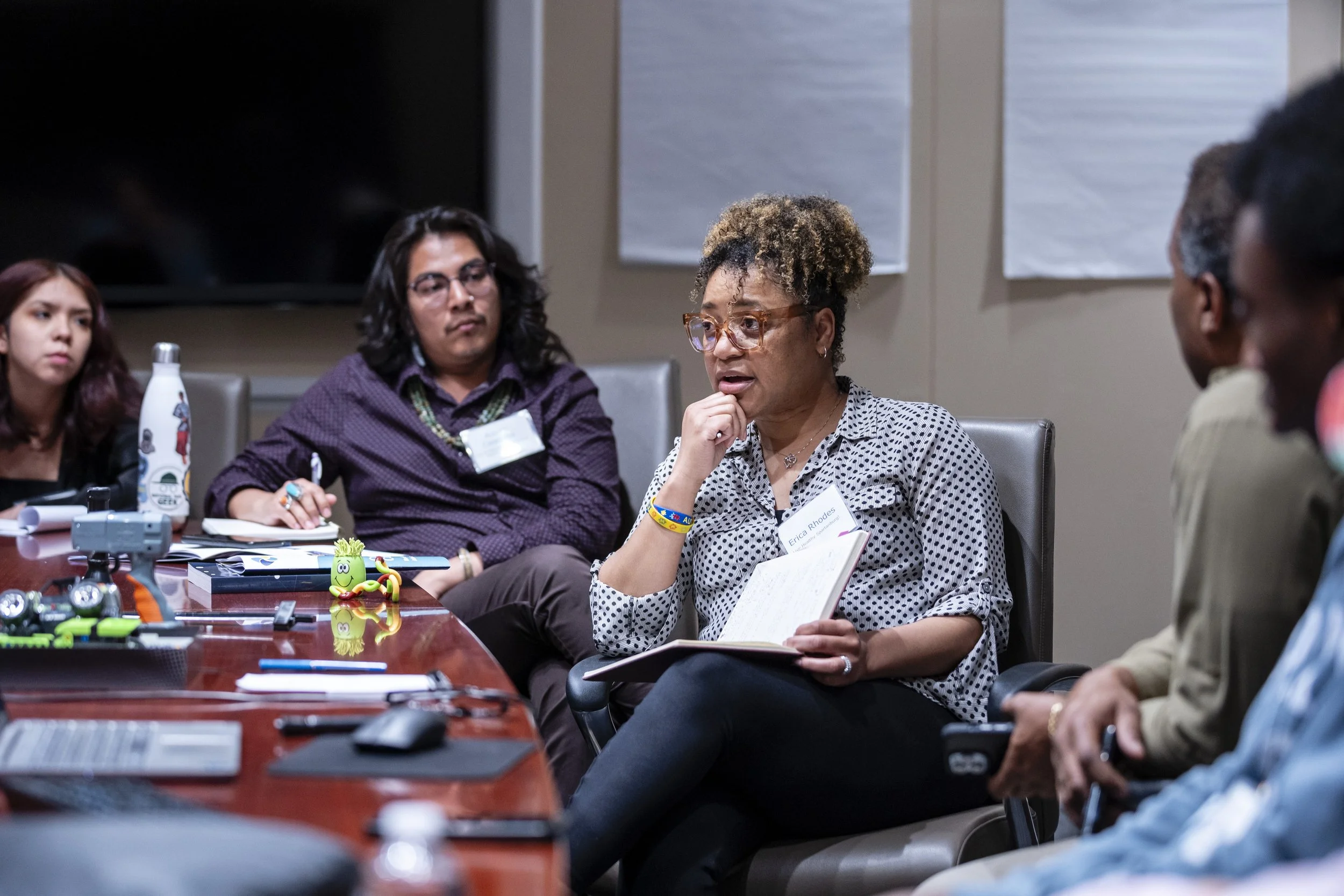
Why “Beta”?
The BETA Project is about building the systems we need before we need them. At its core lies the question, how can we improve our healthcare systems now so that the next generation can thrive? The BETA Project envisions a healthier future for Generation Beta — the generation of people born between 2025 and 2039 — as it aims to increase the quantity and quality of health services for the next generation, and increase access to them so that we can achieve optimal health care for all people that is centered around dignity and respect. It’s about putting in the work now so that the Beta generation can live in a world where healthcare works with and for communities, instead of around them. We’re planting seeds not just for today’s challenges, but for a more just future where community voice leads, and institutions follow through.
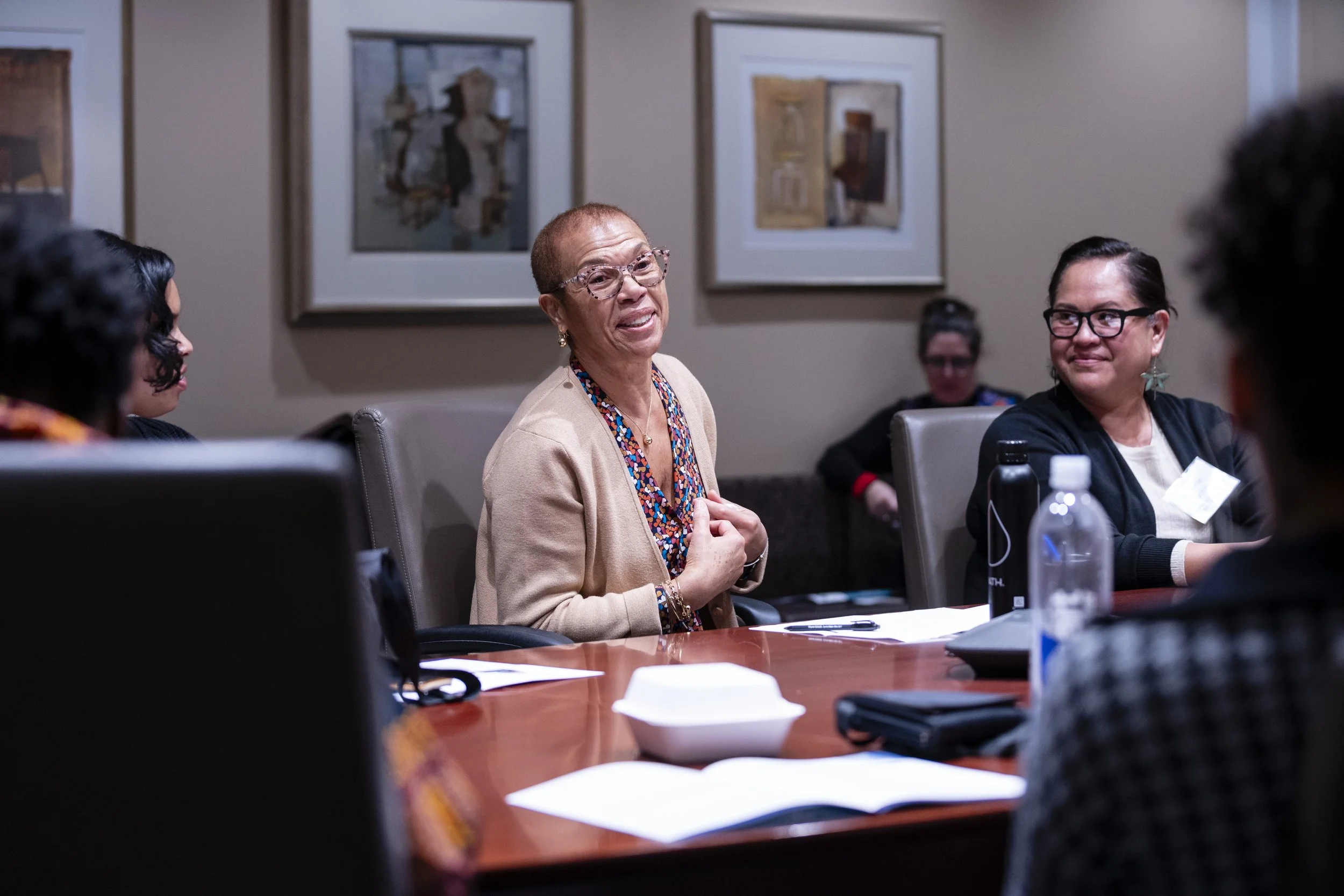
With that vision in mind, The BETA Project brings together four dynamic sites from across the U.S. (Albuquerque, NM; Greensboro, NC; Spartanburg, SC; and Worcester, MA) to build community power and transform healthcare. While each site is distinct, they’re united by a shared goal: to identify and dismantle harmful structures and create new policies, practices, and systems that reflect the wisdom, priorities, and leadership of the communities that are impacted by them the most.
How has it been so far?
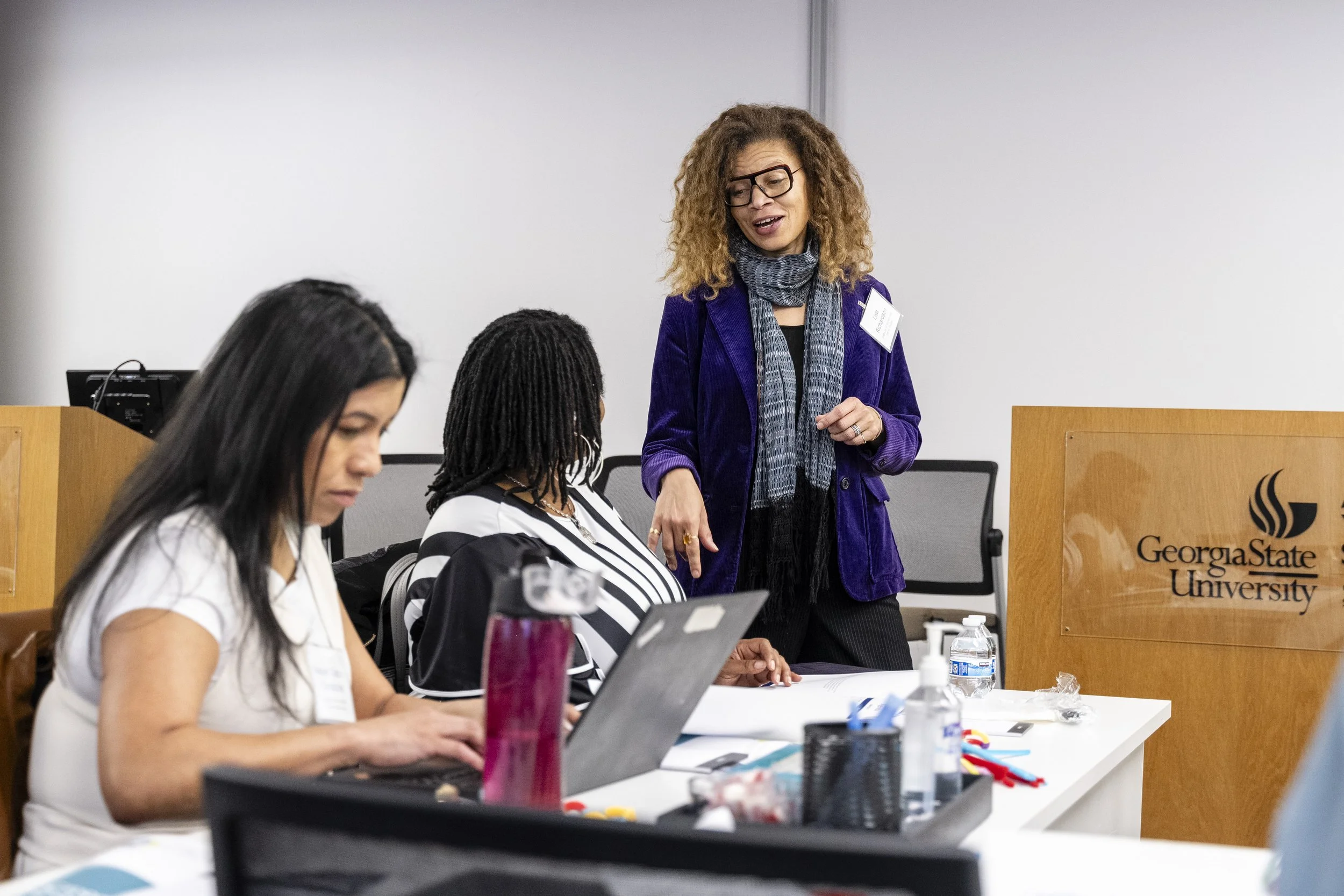
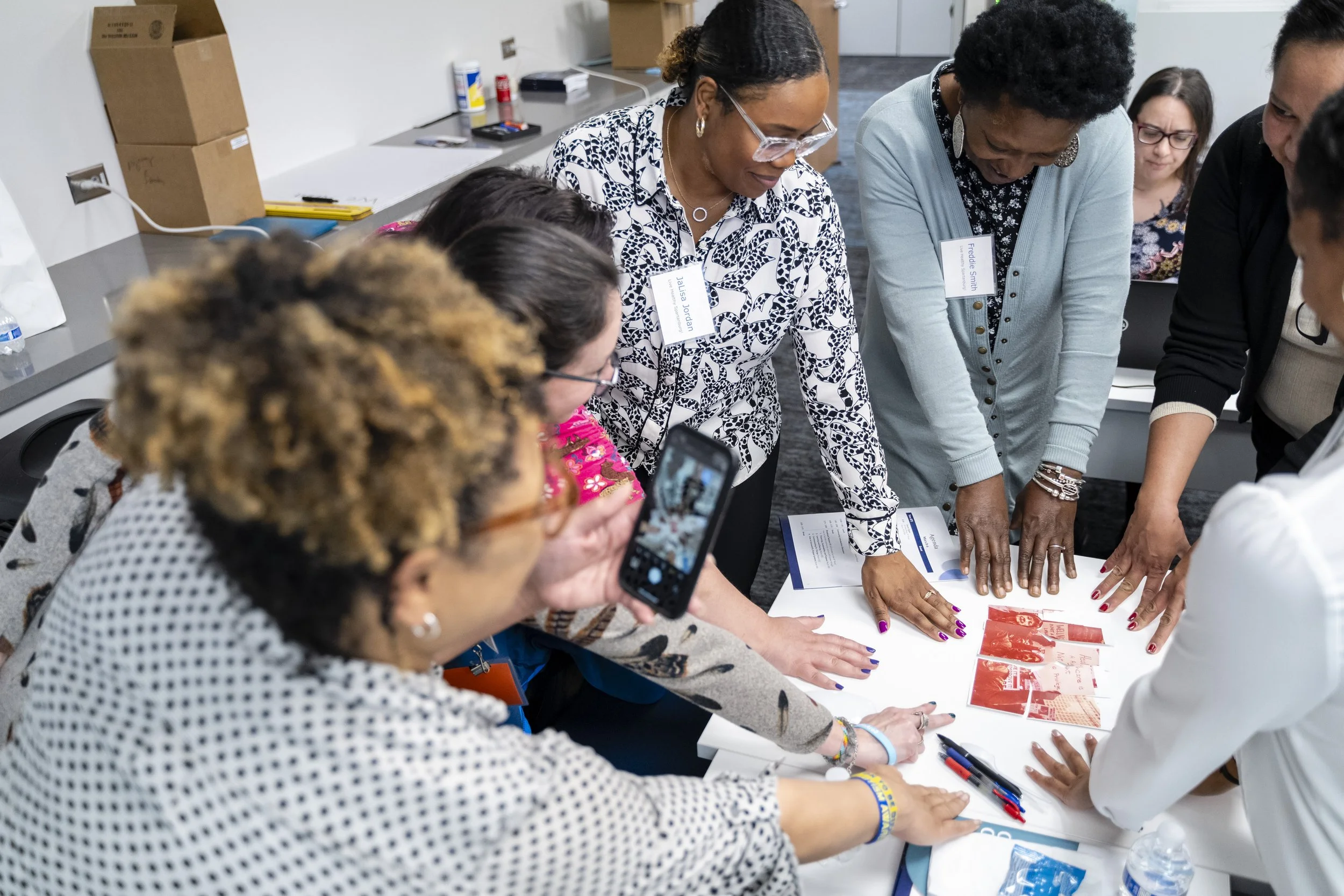
We’re about six months into this two-year journey, and what’s been most powerful so far isn’t a list of milestones, it’s the mindset shift we’re witnessing at some of the sites and within the communities themselves. For the past six months, sites have been working with IWES staff members and consultants to identify the major barriers to optimal healthcare and to begin to think through pathways to change. We alternate between bi-monthly meetings with each site to check in one-on-one on progress and provide guidance or assistance, and bi-monthly cross-site meetings with all four sites in order to foster new connections and allow sites to learn from each other, inspire each other, and work together on their common goal of addressing health disparities. During one of our recent cross-site meetings, a team member described their work not as a program or campaign, but as “a relationship with the community.” That simple phrase captured something rather profound; it reminded us that this work isn’t transactional, it’s deeply relational, and rooted in trust, accountability, and a shared vision.
Through The BETA Project, sites undergo a six-step strategic planning process that centers on collective decision-making and community co-design. First, they were asked to select a focus track out of the following options: community power-building; promoting more community-based leadership models; advocating for policy change to address the lack of fairness in healthcare provision; and promoting mindset shifts that can lead to advocating for policy and practice changes. All of the sites chose to focus on building community power, and they have thus moved onto the second step, which is to develop a narrative strategy utilizing methods such as storytelling, Photovoice, or other traditional and new media tactics to amplify their goals and values. This narrative change component will help sites identify the false narratives that keep people unhealthy and work with creators to devise media-based strategies to reframe and reclaim harmful narratives and elevate new voices and new expertise to the forefront.
Next comes collaboration; each site is in the process of partnering with a healthcare or public health entity to help them identify a community-prioritized health issue and decide upon strategies to address challenges. Sites will also identify a racial healing goal and then co-create an action plan that reflects the priorities of the community and the principles of shared leadership. The final steps? Towards the end of this two year process sites will implement their initiatives; evaluate their progress and look for lessons learned or opportunities to iterate; and identify strategies to embed their work even deeper within their communities in order to create sustainable pathways for healthcare transformation.
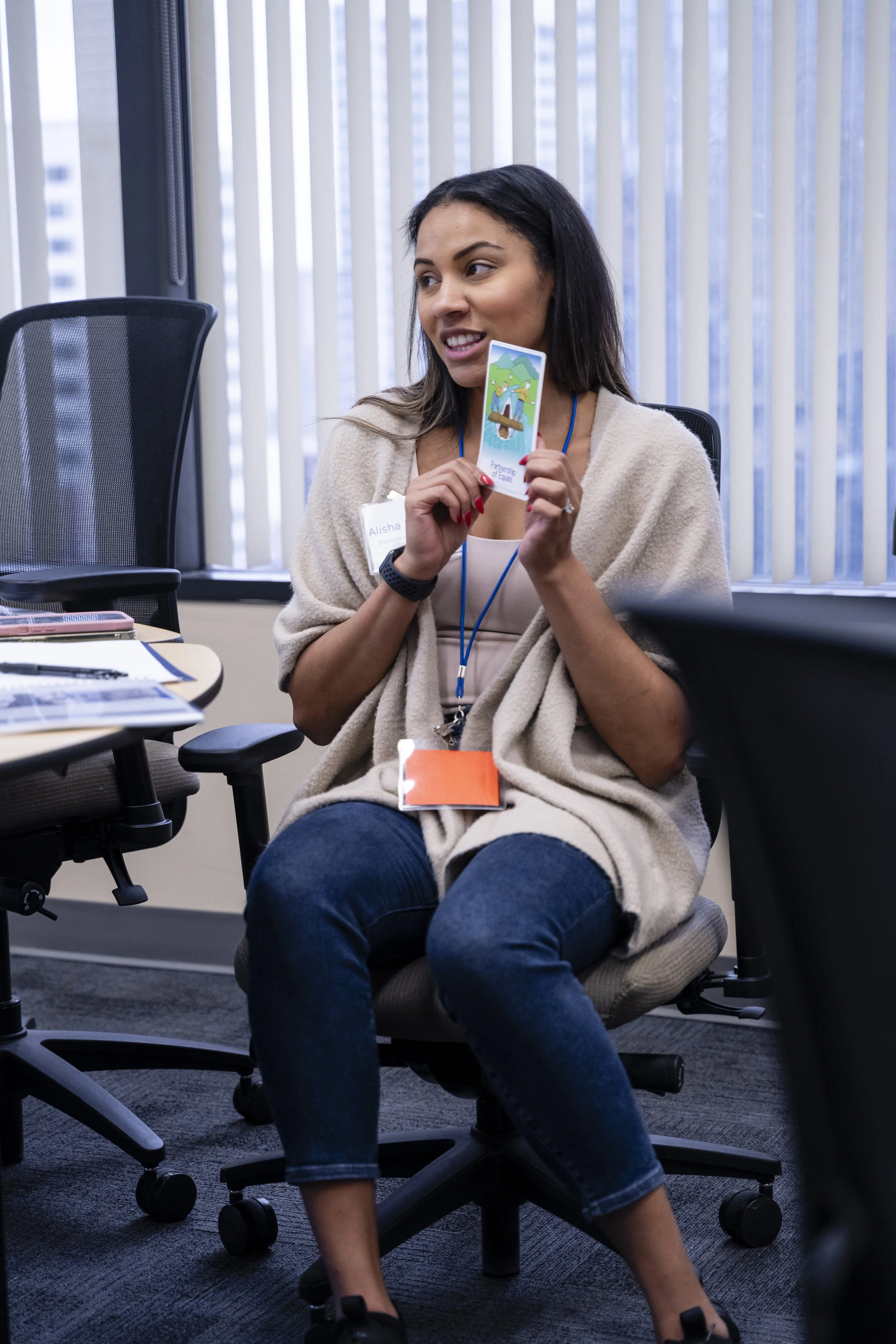
At its core, The BETA Project is about shifting power, redefining relationships, and imagining new possibilities for what public health can and should be. And being a part of that process? It’s nothing short of inspiring.
It’s especially exciting to see that no two sites do this work the same way. That’s the beauty of The BETA Project— it’s built to meet each site where it is and grow with them as a team and as individuals, collaboratively. Our goal is not to impose a blueprint on sites, but to work alongside them to help them design their own blueprints. Behind the scenes, we assemble resources, opportunities, tools, and healing frameworks to support this work, yet we allow sites to define and determine their own paths and try not to step in unless needed. One of our colleagues said it best, “We want to offer support, not burdens.” Instead of handing out playbooks, we’re co-developing new frameworks, new visions, and new guidance that can be shared amongst other communities as well so that they can adapt them, innovate, and devise their own solutions to their biggest health-related problems.
If you’re interested in learning more about The BETA Project or want to connect, feel free to reach out to me, Alisha Monnette Kimble, at amonnette@iwesnola.org. Let’s keep building.

Written by Alisha Monnette, PhD, MPH, Public Health Research Consultant.