The BETA Project: A Year of Listening, Learning, and Lifting Up Communities
“When we trust communities, they will tell us exactly what they need, and it’s our role to help them figure out how to get there.”
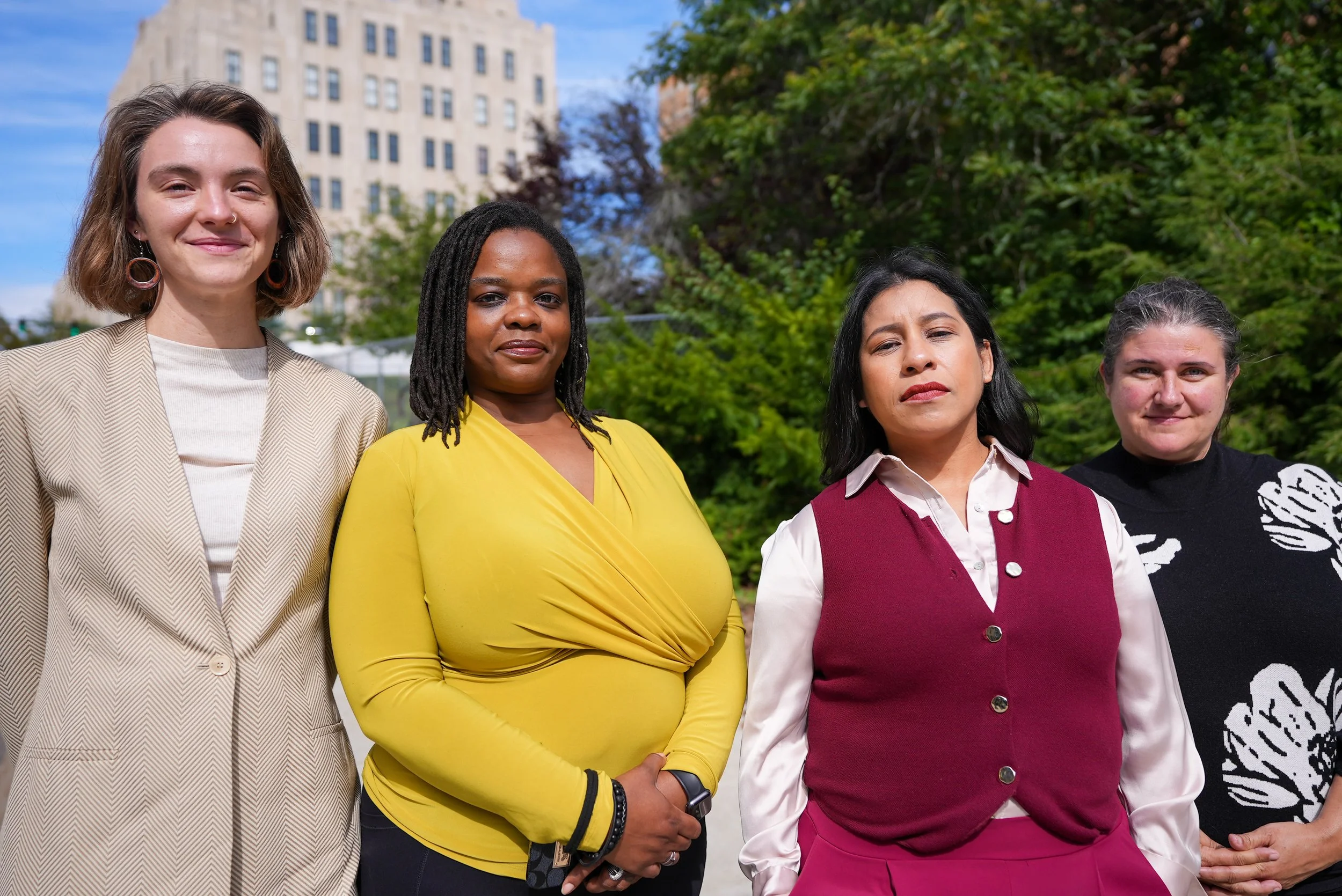
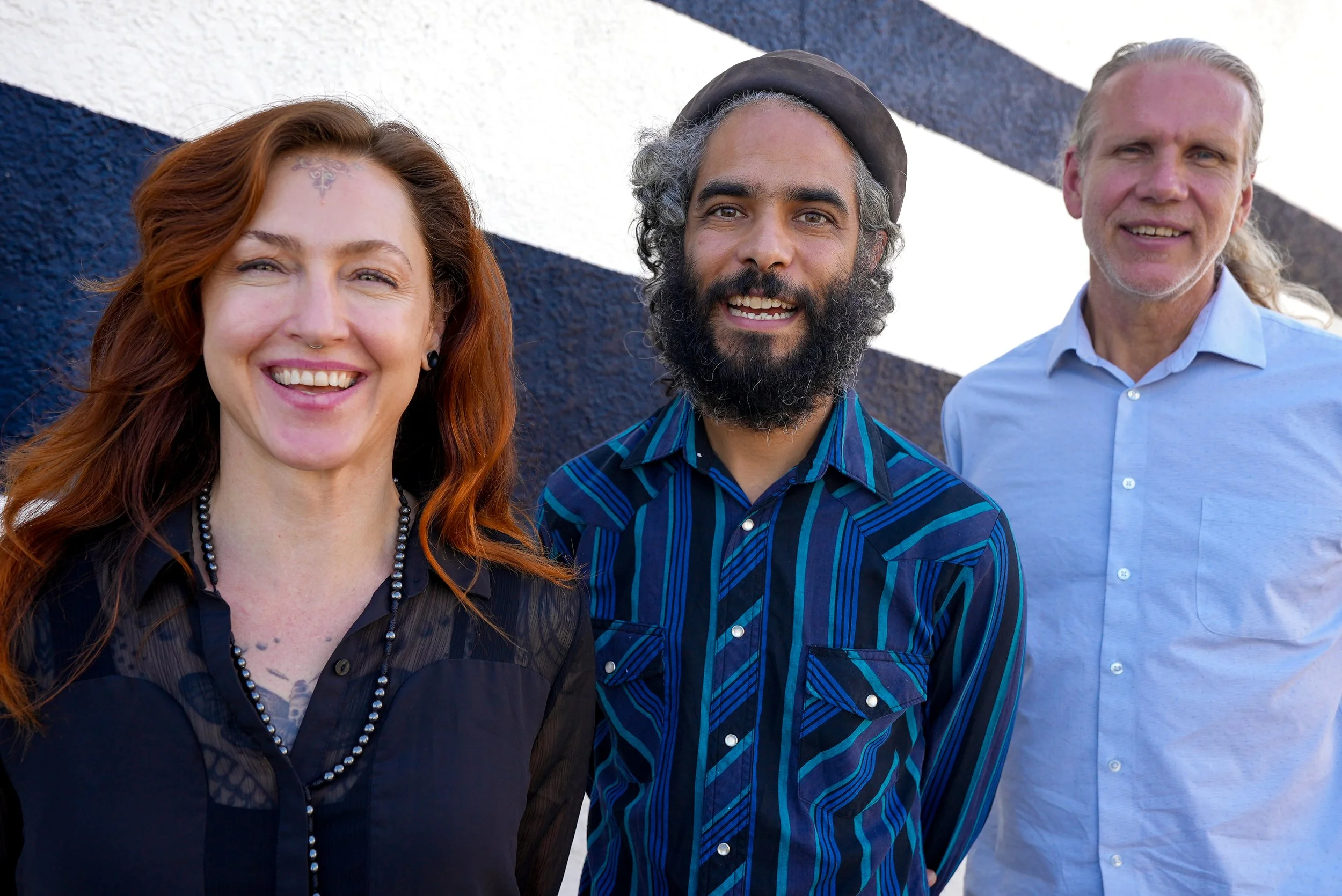
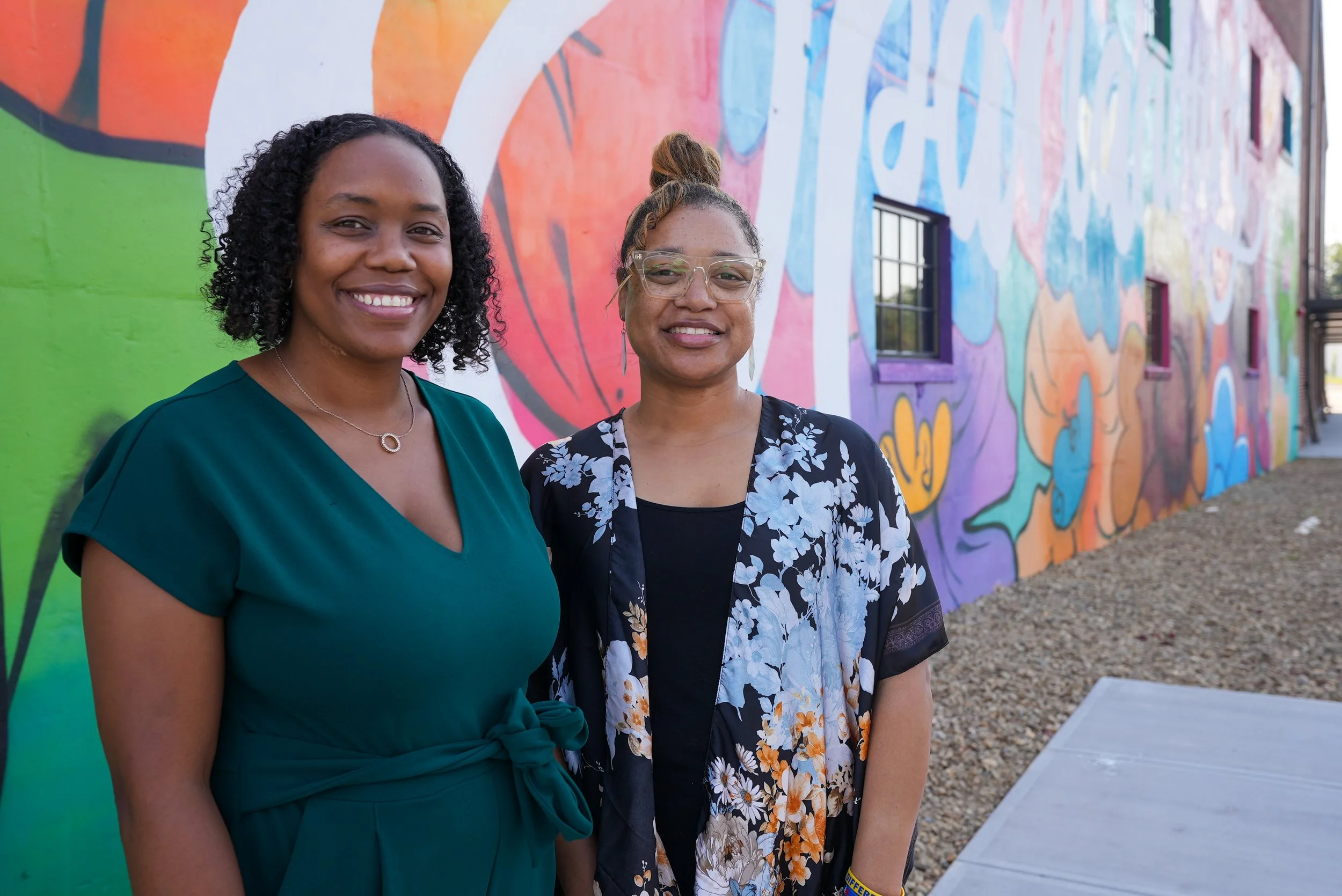
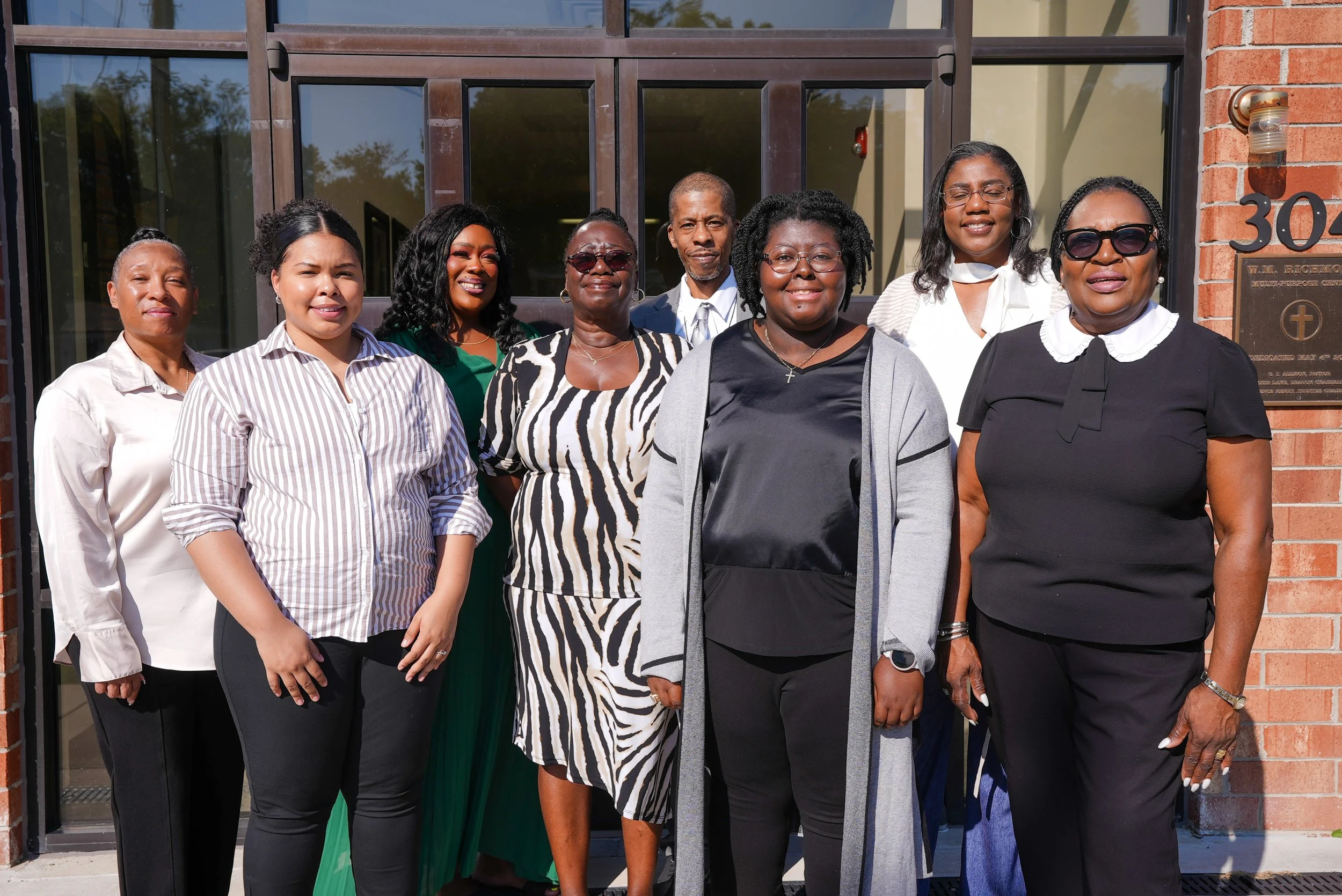
This year we focused on getting out of our Zoom boxes and into the community. After months of virtual collaboration, we on the BETA Project team packed our bags and hit the road to visit each of our four partner sites: Worcester, Massachusetts; Albuquerque, New Mexico; Greensboro, North Carolina; and Spartanburg, South Carolina. Each visit brought new energy, new stories, and a deeper understanding of what health advocacy work looks like when you live it rather than just discuss it. These visits allowed us to truly listen, not only to data or outcomes, but to lived experiences. We heard the “why” behind the work and the motivations that fuel local leaders who balance limited resources with unlimited determination. These moments grounded us and reminded us that equity work is not only strategic, but also deeply human.
At every stop, we witnessed how community-driven change takes shape in ways no report or dashboard can ever capture. In Worcester, we met local leaders working tirelessly to resolve food insecurity for youth and families, and prioritizing leaders’ mental health and resilience so they can sustain their well-being within the work. In Albuquerque, we heard stories of cultural resilience passed down through generations, and we learned what it takes to build programs that reflect the spirit of the people they serve. Greensboro showed us the power of truth and reconciliation within racial healing work and how organizations, when aligned around shared goals, can multiply their impact. And finally, in Spartanburg we saw leaders actively listening to their residents to learn what health challenges they have, and we were inspired to learn about how they are learning from past health equity challenges (and victories!) to create pathways for long-term change.
As a team observing what the sites are learning and beginning to seed and implement, we also made significant strides in strengthening our collective vision for what BETA can become and learned a lot about how to facilitate this type of a process. Following each visit and altogether after they were all completed, we have been reflecting on what we’ve learned from each community and exploring how to bring those lessons together into a shared vision for how not only the sites, yet others as well can do (and fund!) this work. Our goal is not just to describe what is happening at each site, but to understand how these efforts connect and what conditions make equity-driven systems change possible across very different local contexts.
This year taught us to trust iterative processes and lean into the reality that progress does not follow a linear path. Sometimes you encounter moments that may make you pause, reflect, and recalibrate, and rather than looking at those as failures they are a chance to slow down, listen, and ensure we are truly aligned with our core intentions and priorities. We also witnessed how crucial humility is when engaging in this kind of systems change health work. When sites work with communities as co-creators, the solutions that emerge are stronger, more inclusive, and more sustainable, and by entering into spaces with humility, it’s easier to deeply root in trust.
Another key lesson was that healing must be central to systems change, as healing work creates the emotional space needed for transformation. Across sites, we saw how trauma — both historical and recent, from individual to institutional and societal levels — shapes the ability to truly collaborate, lead effectively, and make timely and difficult decisions. Folks bring their context and that of their community into the work, and if someone is unhealed, they may (consciously or unconsciously) project their trauma into the already difficult process of collaborative work. Yet when individuals and organizations engage in their own healing, they can approach partnerships and the work in general with greater compassion, creativity, and openness.
Our last main takeaway from this year is that historical context is the foundation for this work. We can learn many lessons from not just our recent ancestors, yet also those that came generations before us. Having historians and “context-keepers” embedded in local efforts is invaluable. Even though each site invited a local historian to provide us with context during each visit, we saw that even the site teams themselves inevitably learned something brand new about their city and its legacy of health equity work and community collaboration. Understanding place-based, ancestral, and cultural histories helps us situate our work within broader narratives of systemic change. The historians were able to provide concrete examples of how folks with less resources, less formal training, less technology, and less access to systems and institutions were still able to identify major issues within their communities and use their ingenuity and resilience to rise up and demand lasting change. It was both inspirational and instructional, providing evidence that healthcare systems have evolved in the past and still can in the future — even if it feels impossible. Sometimes it just helps to know that you don’t have to reinvent the wheel; the answers may already exist somewhere≤ we just need to seek them and listen.
As we look ahead to next year, we are excited to build on this deep foundation of community-understanding, trust-building, and community engagement as the sites begin implementing their strategies and working more directly with their community members. On the internal side, our BETA team will continue to distill insights from each site in order to co-develop a healing-centered framework that encapsulates our approach to doing this work. We are also excited to get ready for our first BETA Project in-person convening for all sites next Spring, creating space for reflection, strategy, shared learning, and collective healing.
Ultimately, this year reaffirmed a powerful truth: when we trust communities, they will tell us exactly what they need, and it’s our role to help them figure out how to get there.
For this work to not replicate the practices and mindsets that have harmed us in the first place, it’s crucial that we make healing a priority, so that lasting change becomes not only possible but inevitable.