Against the odds and seemingly endless uncertainty, 2021 has been a year of resilience and expansion for IWES’ Collective for Healthy Communities (CHC). CHC houses the portfolio that provides programming to enhance mental and physical health and emotional resiliency. With a year notorious for so much hardship, loss and grief, our CHC team was even more vital than ever on local, regional and even national levels. Find out more about how CHC showed up for the emotional and behavioral needs of our communities here.
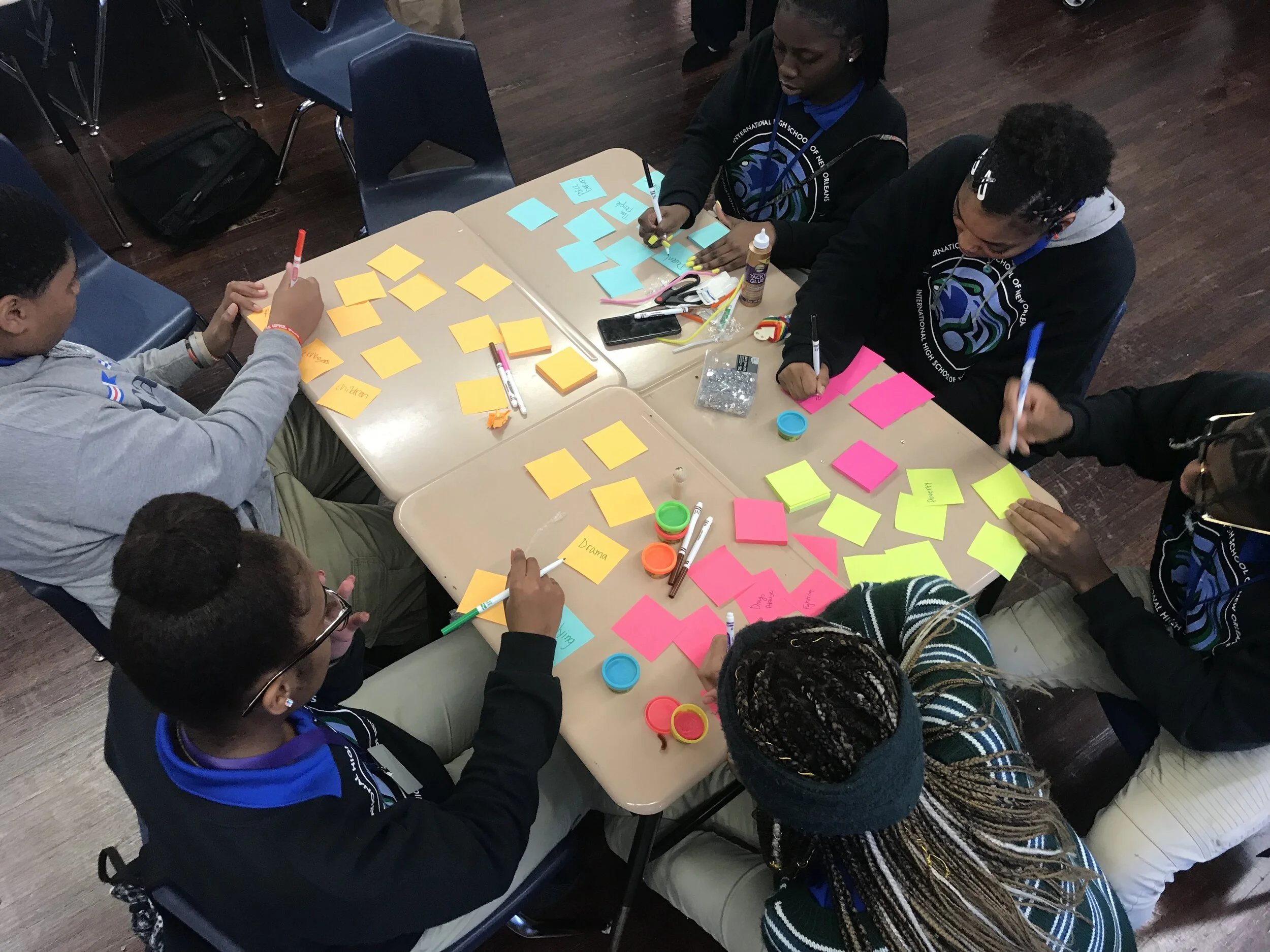
Read MoreOur Adolescent Health portfolio has seen its share of flexibility during 2021! We’ve had to establish and maintain relationships with schools, community organizations and students, all in the midst of adjusting to COVID-19 protocols and the devastating impacts of Hurricane Ida, not only physically, but mentally and emotionally as well. To see how we made these adjustments and not only met, yet exceeded our expectations, follow this link!
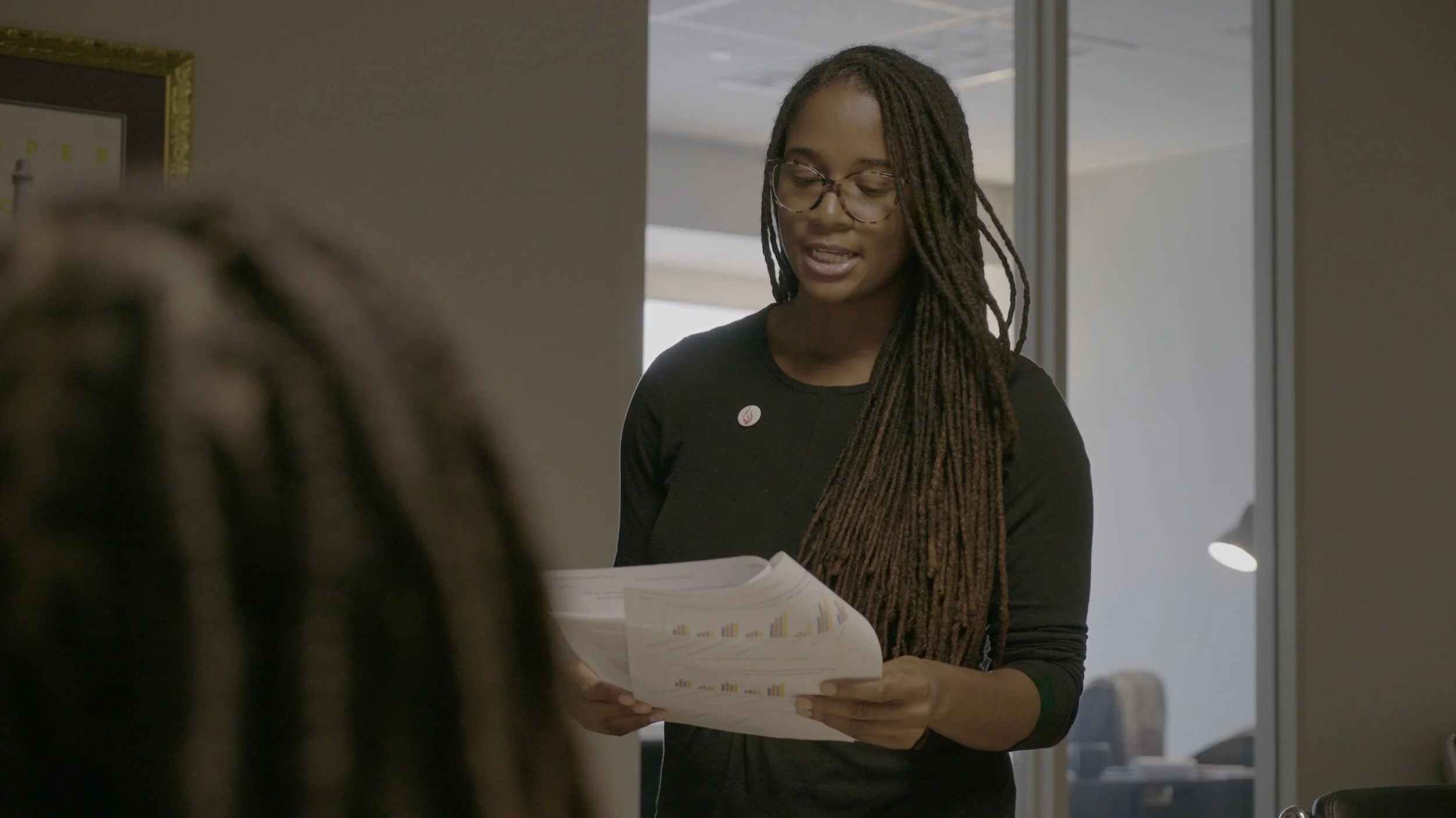
Read MoreThis year our Chief Impact Officer, Dr. Lisa Richardson, and our Sr. Program Manager for Maternal and Child Health (MCH), Meshawn Tarver, got the opportunity to interview many of our MCH partners about our various projects. While speaking about the best way to connect patients to other providers for vital services., one of our clinical providers said, “It’s the New Orleans way.” Simply put, it really just means picking up a phone to call or text. We chose this quote to reflect our journey this past year, because at the end of the day, this is how we had to accomplish our MCH work during 2021. Find out what “the New Orleans way” meant to us this year, and after reading our reflection, let us know what it means to you!
Read MoreDecember 1 is always a reflective day at IWES as we honor and remember lives lost, take stock of the journey to Zero—new infections, discrimination and AIDS-related deaths—and strive to continue to end the epidemic through testing, counseling, referrals and linkages to care. That’s because December 1 is World AIDS Day, and the fight to prevent the transmission of HIV/AIDS has been a cornerstone of IWES programming almost from the beginning, and we take this day very seriously. This year we are commemorating over 20 years of work within the HIV/AIDS field, and as has tended to happen during the pandemic, this year we’re feeling very reflective. Find out where our reflections brought us by reading this blog from our Founder/CEO, Dr. Denese Shervington
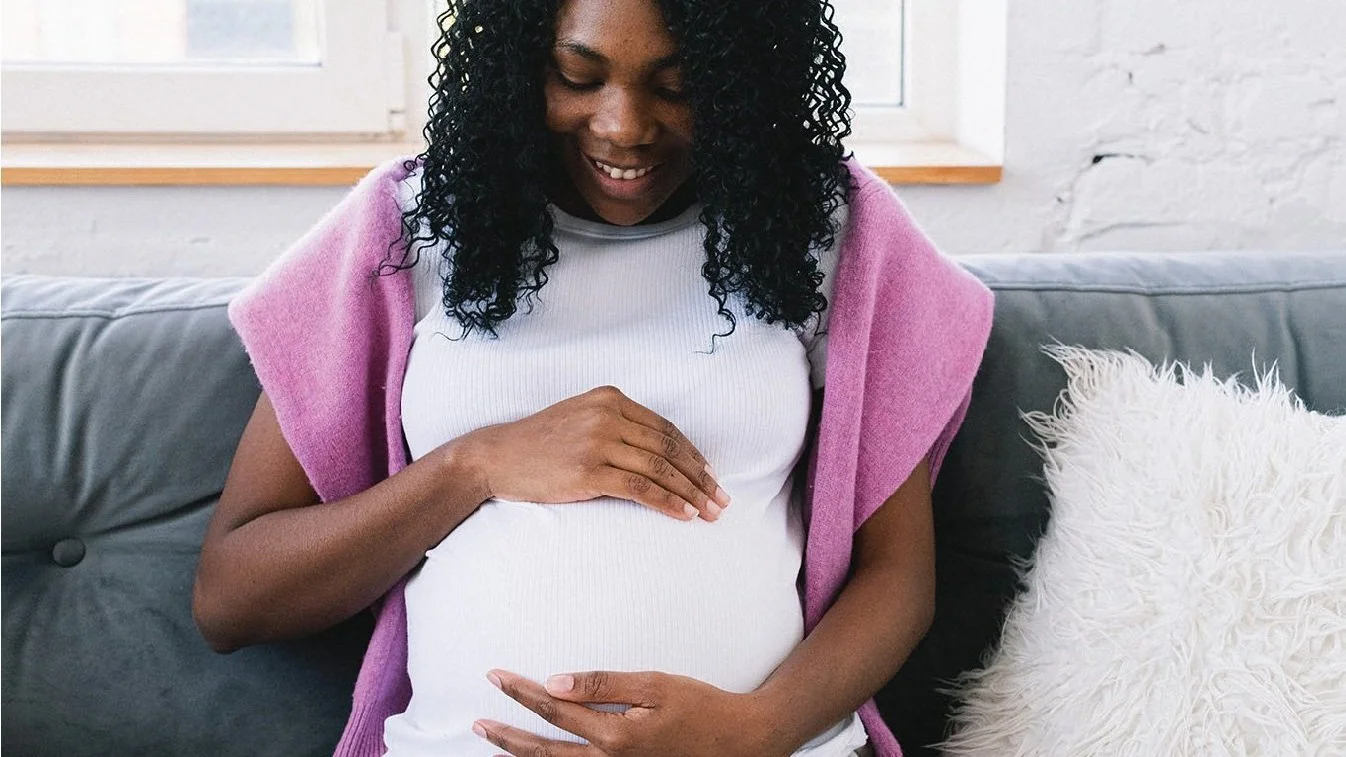
Read MoreWelcome to one of our newest research projects, where we’re studying out of hospital births to better understand the the needs of birthing people and out-of-hospital birthing experiences. Read more about this research and who can participate here.
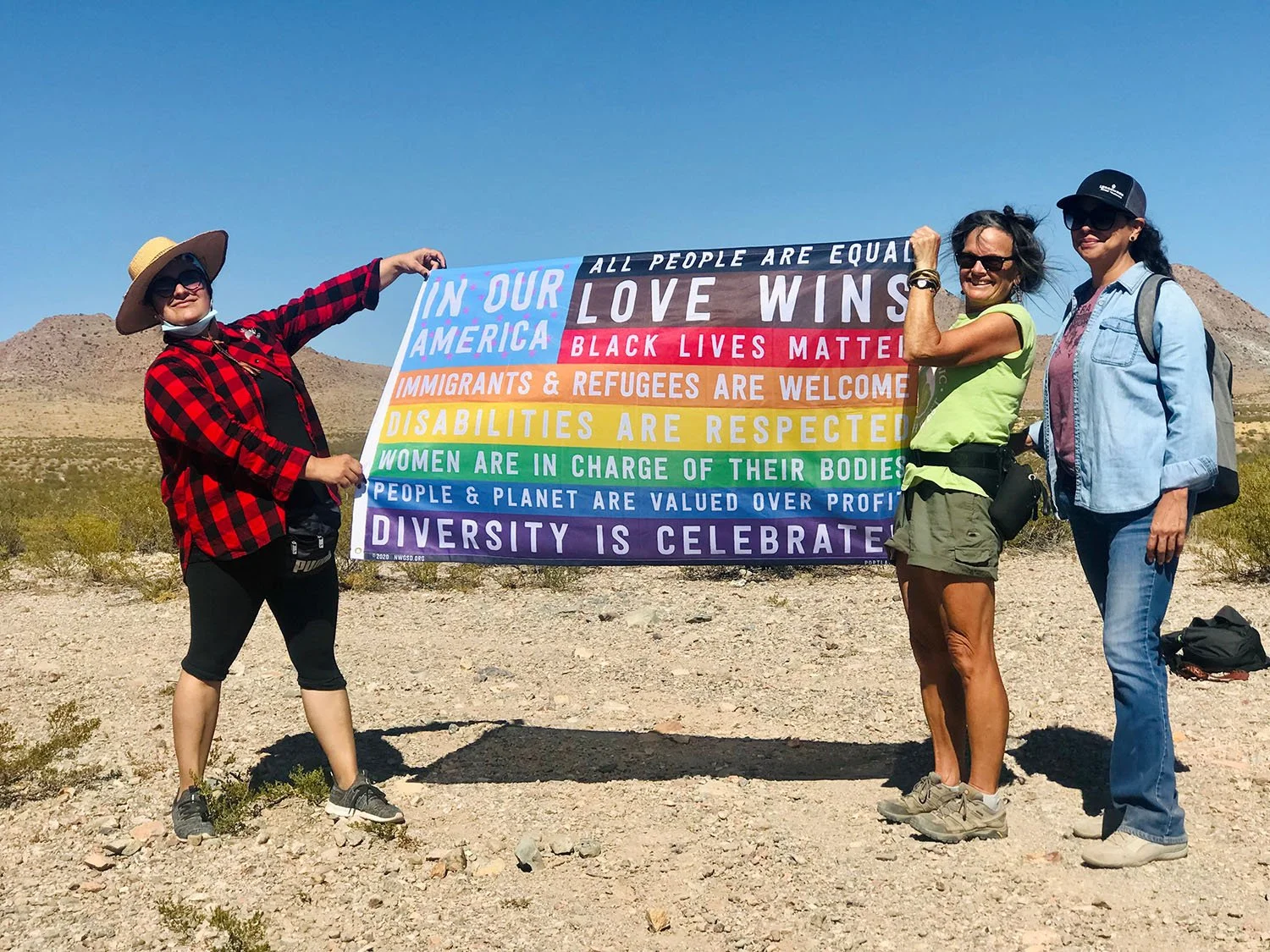
Read MoreIn July, IWES formed the Puentes Para Invitados (PPI) project to support the creation of a refugee and asylee ecosystem in New Mexico that builds on local assets and expands the infrastructure for Trauma-Responsive services to migrants and their families. Our new partners for this project, Colores United, hosted members of our leadership, Communications, and CHC teams during a trip to southern New Mexico in October to get a deeper understanding of the work being done to support migrants at the US-Mexico border. Click the button below to learn more about this trip to New Mexico and our new project, Puentes Para Invitados.
Read MoreFind out what’s new with our HIV/STI initiatives (testing, prevention, training, etc.) here.
Read MoreWhile there is a growing focus on mental health impacts among adolescents, we have little information about these impacts or how we can intervene, and there is even less data on a global scale. This quarter, through our partnership with the Global Early Adolescent Study (GEAS), we conducted research with youth in New Orleans to discuss their mental health and emotional well being. The data will contribute to UNICEF’s 2021 State of the World’s Children (SOWC) report. To learn the key themes and see direct quotes from youth that participated in the conversations, follow the link below.
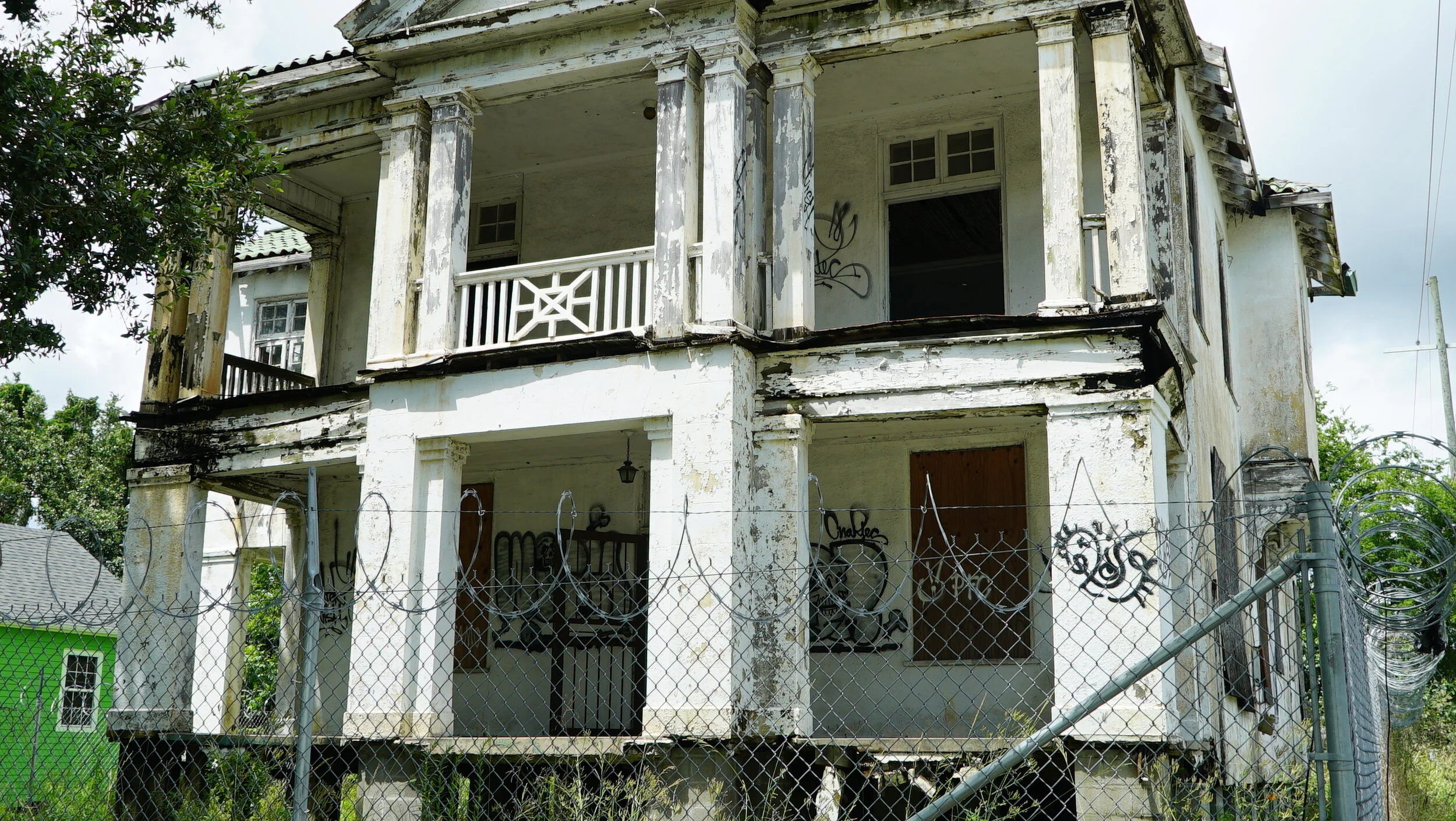
Read MoreYes, Ida is not Katrina, and luckily New Orleans did indeed ‘hold the line’ this time. In spite of the infrastructure failure resulting in power and Internet service outage, the levees held and the city did not flood. However, the internal landscape, the internal psyche of many New Orleanians has been broken by the irony of another devastating hurricane occurring on the anniversary of Katrina. Read on for lessons learned from Katrina to COVID to Ida, and what’s needed for our ongoing resilience and well-being.
Read MoreWe recently received funding from the Packard Foundation to deepen and build upon past and existing efforts to create an environment favorable to comprehensive sexuality education (CSE) and continue to expand the number of youth in Louisiana who have access to medically accurate, age and developmentally appropriate, gender-transformative, and trauma-responsive sexuality education and resources that promote reproductive justice. To achieve that, we’re creating a Louisiana Youth for Health Justice Council. Read on for qualifications and how to apply.
Read MoreJuly 13th marked the first meeting of the new operating year for IWES’ community Institutional Review Board (IRB), an ethics committee that protects the privacy, rights, and wellbeing of people participating in research studies. Read on to learn more about our unique, community-based IRB and how it contribute to the shaping and framing of IWES’ work.
Read MoreIn partnership with Priority Health Care (PHC), IWES was selected as one of 12 sites across the country to participate in a national study funded by the Health Resources and Services Administration (HRSA). Through our local initiative, Black Women First - Care and Treatment Services (CATS) NOLA, we seek to understand how using several strategies at the same time to change clinic culture and increase patient support and access to services will impact the health and wellbeing of cis- and transgender Black women living with HIV. Read on to learn more about our work to support Black women living with HIV.
Read MoreThis year our Maternal and Child Health (MCH) team has been diligently working to bring research, collaboration and policy together to improve Louisiana’s maternal and infant health outcomes. As a result of our efforts and those of our partners, ten out of the thirteen bills and resolutions the group either recommended or supported passed during the legislative session! This quarter also included Black Maternal Mental Health Week (July 19-25), where we took the opportunity to shed more light on maternal mental health and our advocacy efforts. Learn more about our legislative wins and our reflections on Black Maternal Mental Health Week here.
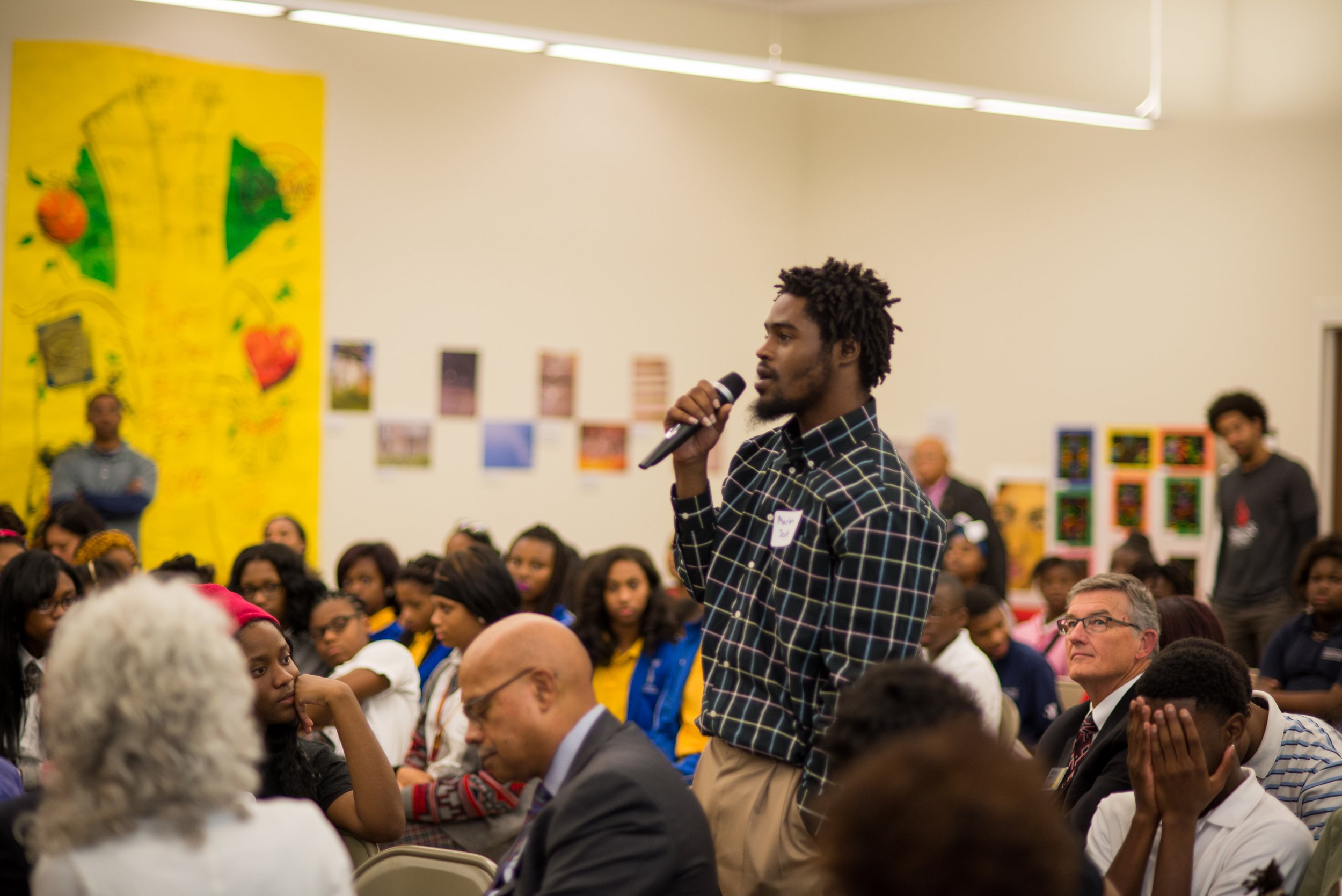
Read MoreIn today’s climate, so much is done for young people without involving young people. When talking about the needs of youth, rarely do we as adults truly listen to their experiences and opinions directly from them. This issue led to the initial inspiration for “Lift Every Voice,” a roundtable discussion for teens, hosted by teens, and supported by IWES health educators. Through funding from Teen Health Mississippi, four members of IWES’ Youth Leadership Council used this platform to speak openly and honestly about the pressing problems facing young people in 2020. Excerpts from this profound conversation are being released in a new limited series, This Meeting Is A Protest! Check out the article to learn more.
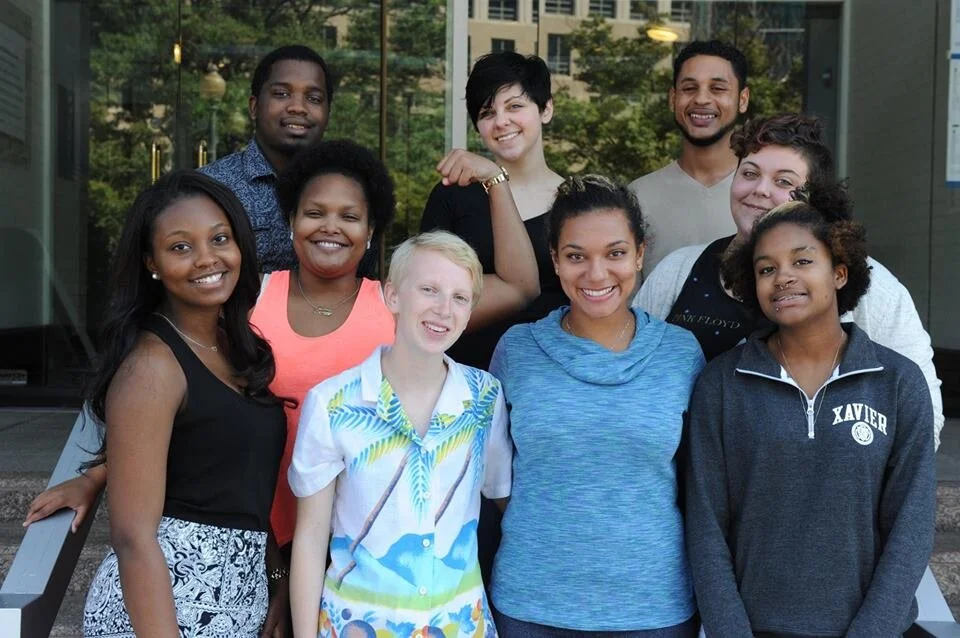
Read MoreIn our last quarter’s blogs, you learned a bit about our Catapult Study, IWES’ local implementation of the Global Early Adolescent Study (GEAS) conducted in partnership with Johns Hopkins Bloomberg School of Public Health. Another major component of this endeavor is a National Youth Advisory Board (NYAB), which we’re excited to introduce you to today! Take a moment to get to know some of our interns in their own words below!
Read MoreAs a sub-study of IWES’ greater Catapult Study, our local implementation of the Global Early Adolescent Study (GEAS) conducted in partnership with Johns Hopkins Bloomberg School of Public Health and collaborating research teams around the world, the IWES Research and Evaluation division engaged adolescents ages 11-16 in a special series of conversations about their experiences amid the COVID-19 pandemic. Four focus group discussions were held with middle and high school students to better understand the specific challenges brought on by the pandemic as well as the implications for their emotional well-being and academic success. To find out what they learned in this process, check out the blog here.
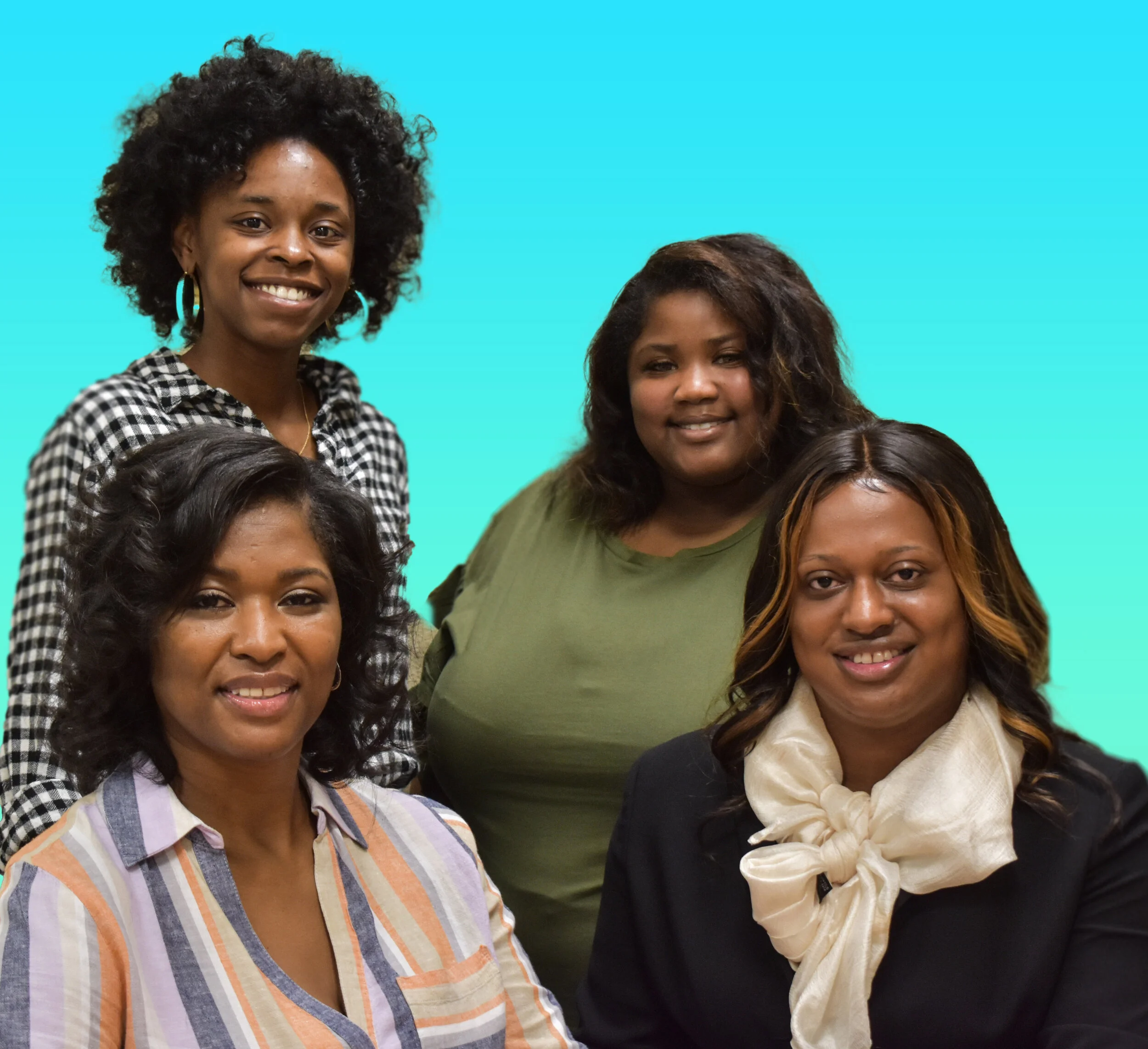
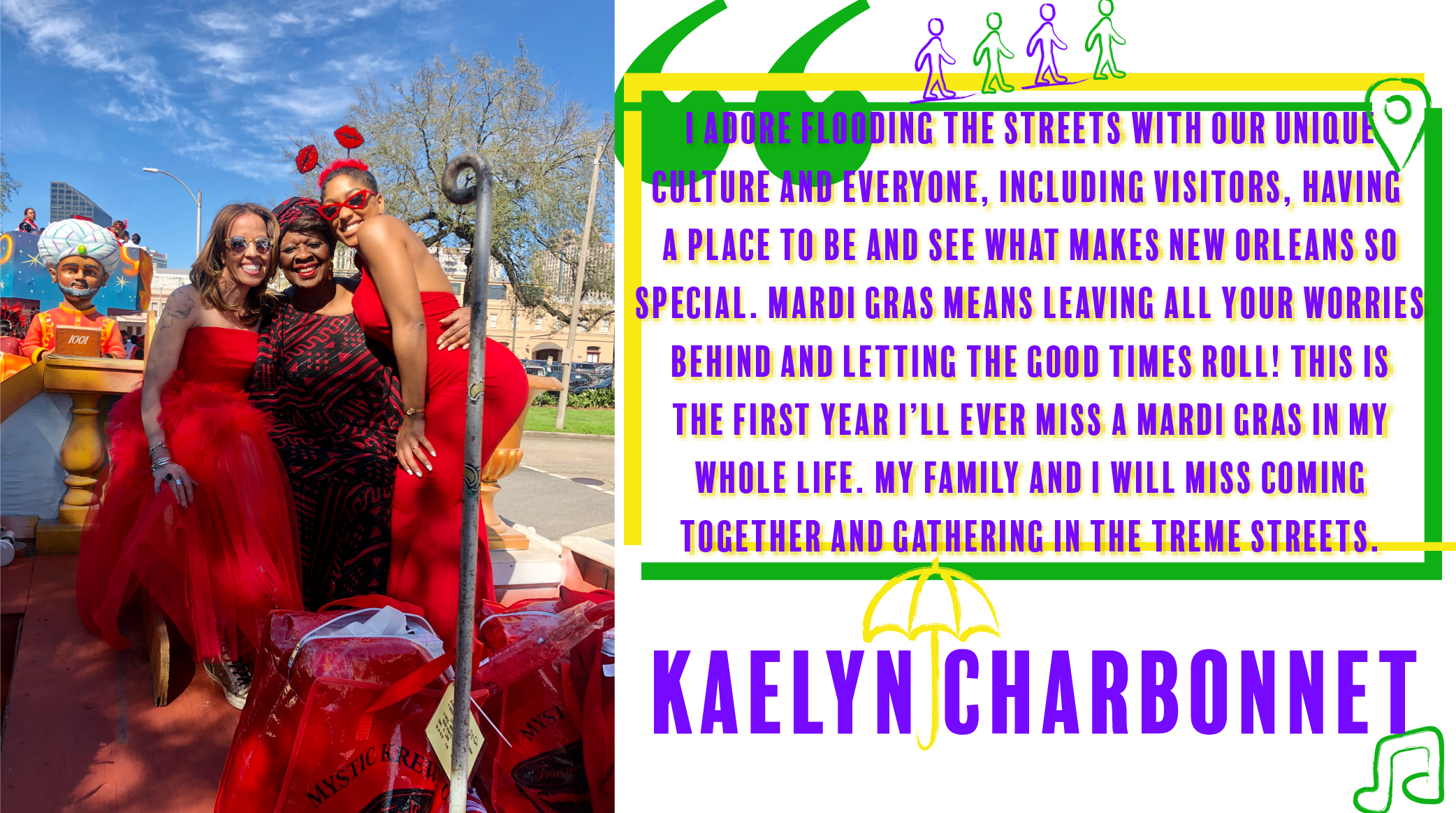
Read MoreIn this special Mardi Gras feature, four members of our staff share what they love the most, what they miss the most, and what they plan to do this (distanced) Mardi Gras season.
Read MoreEach year on August 29 we remember and reflect upon Hurricane Katrina as we are reminded of the ongoing struggle to heal as individuals and a community. In this blog post we explore what we’ve learned and where we need to grow 15 years following the historic and tragic event. Join us in honoring the legacy of those that were lost, but will never be forgotten.
Read MoreAllow us to introduce you to The MORE Project, an initiative designed to: prevent HIV transmission, increase trauma-informed HIV screening and improve access to services for people living with HIV; reduce violence against women and support women to reduce harm from intimate partner violence (IPV); and promote social norms that protect against IPV by engaging men in workshops and curricula examining traditional gender norms. Find out why we went with “MORE” and how you can get involved here.
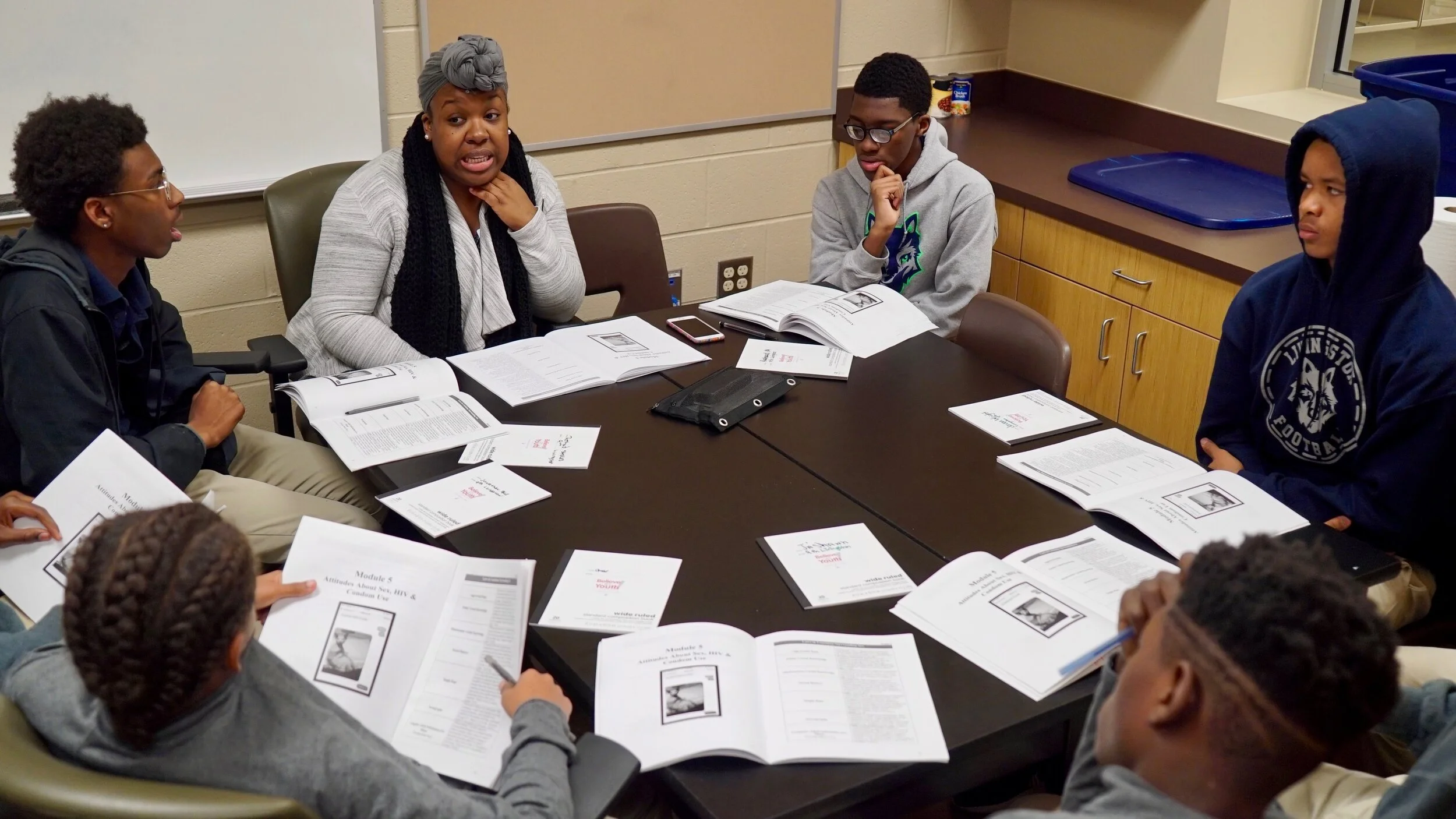
Read MoreWe’re happy to announce that on Tuesday, June 30th, IWES was named as one of 49 organizations across 26 states that received a grant award under the Health and Human Services’ Office of Population Affairs’ Optimally Changing the Map for Teen Pregnancy Prevention (Tier 1) initiative. Building upon 10 years of providing adolescent health education and as a three-time awardee of grant funding under the federal teen pregnancy prevention (TPP) initiative, IWES is setting out to implement a scaled-up, re-imagined version of its trauma-informed Believe in Youth - Louisiana (BY-LA) program—BY-LA 2.0. Learn more here.
Read More